Concrete is a practical, long-lasting choice for everything from a new driveway to a backyard patio. If you are considering A and T Concrete for a project, understanding the planning, installation, and care involved can help you make informed decisions and set realistic expectations. The right result depends not only on the concrete itself, but also on a well-prepared site, suitable design, skilled installation, and proper curing.
What to Know About A and T Concrete
A and T Concrete is a name homeowners and property managers may encounter while searching for concrete work. Before choosing any contractor, verify that the company serves your area and offers the specific service you need. Concrete businesses can vary in the types of projects they handle, such as driveways, sidewalks, patios, steps, foundations, or decorative finishes.
Start by describing your project clearly. Include the approximate dimensions, intended use, site conditions, preferred finish, and any access challenges. Sharing photos can help a contractor understand the space and prepare useful questions. A detailed discussion at the beginning makes it easier to compare proposals and identify what is included.
Common Concrete Projects
Driveways and walkways
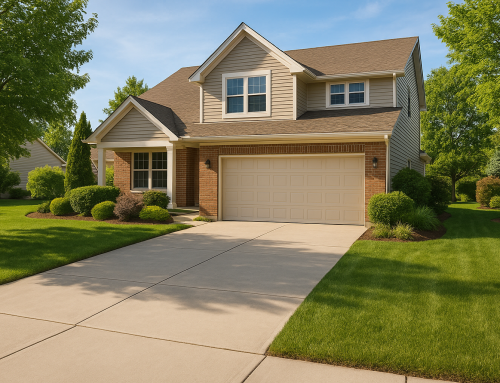
Driveways and walkways need to stand up to regular traffic and changing weather. Their performance depends on more than surface thickness: the condition of the ground, base preparation, drainage, reinforcement where appropriate, and control joints all matter. A driveway should also be planned with its slope and connection to the garage, street, and surrounding landscape in mind.
Patios and outdoor living areas
A concrete patio can create a durable foundation for seating, dining, or other outdoor activities. Homeowners can choose a simple, smooth surface or ask about options such as colored concrete, stamped patterns, or exposed aggregate, if those finishes are available. Consider how the patio will connect to doors and paths, and where rainwater will flow.
Steps, slabs, and other flatwork
Concrete steps and small slabs may appear straightforward, but they still require careful grading and accurate measurements. The finished surface should suit its purpose, drain appropriately, and meet applicable local requirements. For structural work, such as foundations, rely on qualified professionals and project-specific plans rather than a one-size-fits-all approach.
How a Concrete Project Typically Works
Planning and site preparation
A contractor will generally review the site, discuss the project scope, and determine what preparation is needed. This can include removing old material, excavating, grading, and preparing a stable base. Proper drainage deserves particular attention: water that collects beside a slab can contribute to soil movement, surface damage, or problems around nearby structures.
Before digging, confirm that underground utilities have been located through the appropriate local service. Also discuss access for equipment, where materials will be delivered, and how nearby landscaping or structures will be protected. These details can affect scheduling and the total project cost.
Forming, pouring, and finishing
Once the site is ready, forms establish the shape and edges of the slab. The concrete is then placed, leveled, and finished according to the agreed specification. Depending on the design, the crew may add joints, texture, color, or other details. Weather and site conditions can influence the timing of this work, so a contractor may need flexibility in the schedule.
Curing and early care
Concrete needs time to gain strength after placement. Curing is not the same as simply waiting for the surface to look dry; moisture and temperature conditions affect how the material develops. Follow the contractor’s instructions about foot traffic, vehicles, coverings, and cleaning. Avoiding premature use helps protect the new surface while it cures.
What Affects Concrete Cost?
There is no single price that fits every concrete project. The final quote may depend on the area’s size and shape, excavation needs, removal of existing concrete, base materials, reinforcement, finish selections, site access, and local labor and material costs. Drainage improvements or difficult ground conditions may also add work.
When reviewing an estimate from A and T Concrete—or any provider—ask for a written description of the work. Check whether it covers site preparation, disposal, materials, finishing, cleanup, and any agreed extras. Comparing itemized proposals is more useful than choosing solely by the lowest total, because estimates may include different scopes or assumptions.
Questions to Ask Before Hiring
- Do you serve my location and take on this type of project?
- What preparation and drainage work do you recommend?
- Which finish and reinforcement options are suitable for my needs?
- What is included in the written estimate, and what could change the price?
- How will weather affect the schedule, and what care is needed after installation?
- Can you provide references or examples of comparable completed work?
Also confirm the expected start window, payment terms, and how changes will be handled. If permits, inspections, or design approvals may apply, ask who is responsible for confirming those requirements. Local rules and project needs differ, so it is wise to check with the relevant local authority when necessary.
Getting Long-Term Value from Concrete
Good maintenance begins with following the installer’s guidance. Keep the surface clean, address drainage issues, and avoid using products or equipment that could damage the finish. In regions with freeze-thaw weather, ask what de-icing products are appropriate. Sealers may be useful for some surfaces, but the right product and timing depend on the concrete and its exposure.
Concrete can develop minor cracks as it responds to drying, temperature changes, and ground movement. Joints are intended to help manage cracking, but they cannot guarantee a completely crack-free surface. Discuss realistic expectations before work begins and contact the installer if a crack or other concern appears unusually wide, uneven, or changes over time.
Conclusion
A successful concrete project starts with a clear scope, thoughtful site preparation, and a finish suited to how the space will be used. When evaluating A and T Concrete, confirm service availability, compare detailed written estimates, and ask about drainage, curing, and maintenance. A little preparation before the pour can help you get a durable, practical surface that serves your property for years.