Introduction
Concrete businesses play a vital role in construction, infrastructure, and property improvement. From driveways and sidewalks to foundations, slabs, and decorative finishes, these companies provide the backbone for countless residential, commercial, and industrial projects. Because concrete is durable, versatile, and cost-effective, demand remains steady across many markets.
If you are considering starting a concrete business, growing an existing one, or simply learning what makes these companies successful, it helps to understand the services they offer, the equipment they rely on, and the strategies that drive profitability. A well-run concrete business combines technical skill, reliable scheduling, strong customer service, and smart project management.
What Concrete Businesses Do
Concrete businesses provide a wide range of services depending on their size, specialization, and market. Some focus on residential work, while others handle large commercial or municipal projects. Many companies offer both installation and repair services, which helps them serve a broader customer base.
Core Services
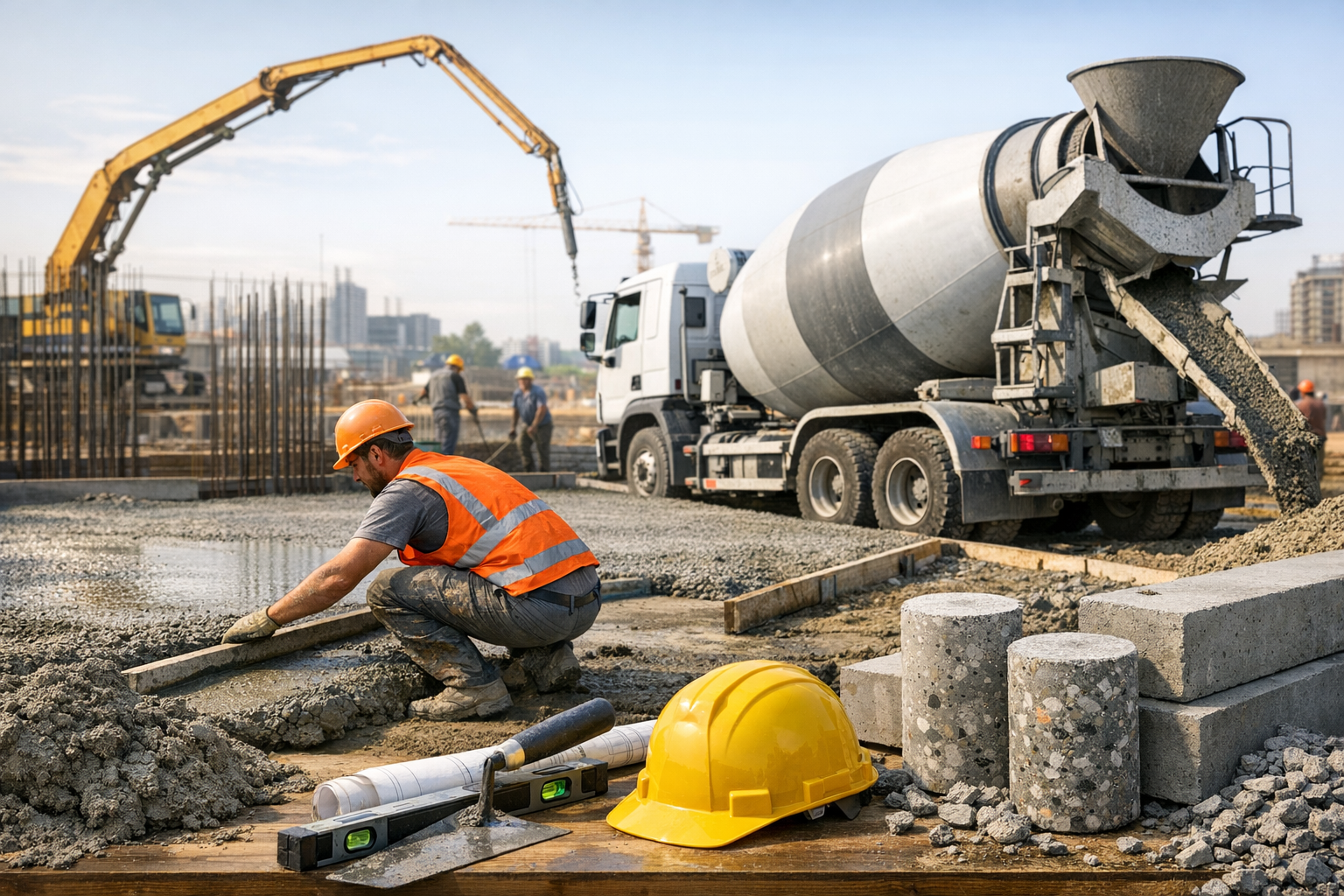
Common services include pouring foundations, installing driveways, building sidewalks, constructing patios, repairing damaged concrete, and creating slabs for garages or sheds. Some businesses also handle stamped concrete, stained concrete, retaining walls, curbs, and decorative overlays. In industrial settings, concrete contractors may work on warehouses, parking structures, loading docks, and heavy-duty flooring systems.
Specialized Niches
Many concrete businesses find success by focusing on a niche. For example, one company may specialize in decorative residential concrete, while another concentrates on structural commercial work. Other niches include concrete pumping, concrete cutting and sawing, ready-mix delivery, or concrete resurfacing. Specialization can help a business stand out in a crowded market and attract higher-value clients.
Why Concrete Businesses Are in Demand
Concrete remains one of the most widely used building materials because it is strong, adaptable, and long-lasting. Homeowners need driveways, patios, and foundation work. Developers need slabs and structural components. Cities need sidewalks, curbs, and public infrastructure. This wide range of needs creates consistent demand for concrete services.
Another reason concrete businesses stay busy is maintenance. Over time, concrete cracks, settles, stains, and wears down. Property owners often need repairs, replacement, or resurfacing to restore function and appearance. Since concrete projects are both practical and visible, customers are often willing to invest in quality workmanship.
Tools, Equipment, and Materials
Running a concrete business requires more than labor and experience. The right equipment is essential for efficiency, safety, and quality results. The exact tools needed depend on the services offered, but most concrete businesses rely on a combination of hand tools, machinery, and transport vehicles.
Essential Equipment
Common equipment includes mixers, wheelbarrows, screeds, trowels, vibrators, saws, finishing tools, and forms. Larger operations may use concrete pumps, skid steers, excavators, dump trucks, and laser levels. Trucks for hauling materials and transporting crews are also important for daily operations.
Materials and Supply Management
Concrete businesses must manage materials carefully to control costs and maintain quality. This includes ordering the correct mix design, maintaining relationships with suppliers, and planning jobs to avoid waste. Weather conditions, delivery timing, and jobsite preparation all affect how smoothly a project runs. Good inventory and scheduling practices can save both time and money.
What Makes a Concrete Business Successful
Success in the concrete industry depends on more than good technical skills. The most successful businesses combine craftsmanship with organization, communication, and business discipline. Customers want dependable crews, accurate estimates, and finished work that looks professional and lasts for years.
Quality Workmanship
Concrete is unforgiving. Once it is poured and cured, mistakes can be expensive to fix. That is why careful preparation, proper reinforcement, accurate leveling, and skilled finishing are so important. Businesses that consistently produce clean, durable results are more likely to earn referrals and repeat customers.
Strong Project Management
Scheduling, labor coordination, and jobsite planning are critical in the concrete industry. Delays can lead to wasted material, customer frustration, and lost profit. A strong project manager keeps crews on task, anticipates weather issues, communicates clearly with clients, and ensures that each phase of the job is completed in the right order.
Customer Service and Communication
Many customers do not understand the technical details of concrete work, so clear communication matters. Concrete businesses should explain the process, provide realistic timelines, and set expectations about curing, maintenance, and potential limitations. Good customer service helps build trust and can lead to positive reviews and referrals.
Marketing a Concrete Business
Even the best concrete company needs effective marketing to grow. Because many customers search online before hiring a contractor, visibility is essential. A strong online presence, local reputation, and professional branding can make a major difference in winning new jobs.
Online Presence
A business website should clearly list services, service areas, contact information, and project photos. Search engine optimization can help the company appear in local searches for terms like driveway replacement, foundation contractor, or concrete patio installation. Social media can also be useful for showcasing before-and-after images and customer testimonials.
Local Reputation
Word of mouth remains powerful in the construction industry. Satisfied customers often recommend contractors to friends, neighbors, and family members. Reviews, referrals, and local networking can generate steady leads. Joining local business groups, partnering with builders, and maintaining a professional reputation all support long-term growth.
Challenges Concrete Businesses Face
Like any trade, concrete businesses face challenges that can affect profitability and growth. Labor shortages, weather delays, material price changes, and equipment breakdowns are common issues. Since concrete work is often seasonal in some regions, managing cash flow during slower months can also be difficult.
Another challenge is competition. Many markets have numerous contractors competing for the same projects, which can drive down pricing. Businesses that focus only on low bids may struggle to maintain margins. The best approach is often to emphasize reliability, quality, and specialized expertise rather than competing on price alone.
How to Start or Grow a Concrete Business
For those entering the industry, success usually starts with experience. Learning the technical side of concrete placement and finishing is important before taking on major jobs. From there, new business owners should focus on licensing, insurance, equipment, pricing, and customer acquisition.
Growth often comes from reinvesting in better tools, hiring dependable employees, and expanding services strategically. A business might begin with small residential jobs and later move into commercial work or higher-end decorative projects. Tracking expenses, setting clear margins, and building strong vendor relationships will help support long-term expansion.
Conclusion
Concrete businesses are an essential part of the construction world, offering services that are both practical and in steady demand. Whether they specialize in residential work, commercial projects, or decorative finishes, the most successful companies combine skill, organization, and strong customer relationships. With the right equipment, marketing strategy, and commitment to quality, a concrete business can build a solid foundation for long-term success.