
Cement Driveway Experts Serving Baywood, NY
A driveway is one of the most heavily used features of a home, yet it must also withstand weather, vehicle weight, drainage challenges, and years of routine wear. For homeowners in Baywood, New York, a well-built cement driveway—more precisely called a concrete driveway because cement is one component of the mix—offers an effective balance of strength, clean appearance, and manageable maintenance. It can replace an uneven or deteriorating surface, improve access to a garage or parking area, and give an established property a more polished first impression.
Baywood’s Long Island setting makes proper installation especially important. Moisture, freeze-thaw cycles, variable soils, nearby tree roots, and winter maintenance can all influence how a driveway performs. A durable project begins with evaluating the subgrade, correcting drainage problems, selecting an appropriate slab thickness and reinforcement, and placing control joints in a logical pattern. Finish, color, and decorative details should support practical use rather than compromise traction or long-term performance.
The best driveway solution depends on the individual property, vehicle traffic, budget, and desired appearance. By understanding the installation process, maintenance needs, and local planning considerations, Baywood homeowners can make an informed choice and work with a contractor on a driveway designed for dependable everyday service.
Why a cement driveway fits Baywood
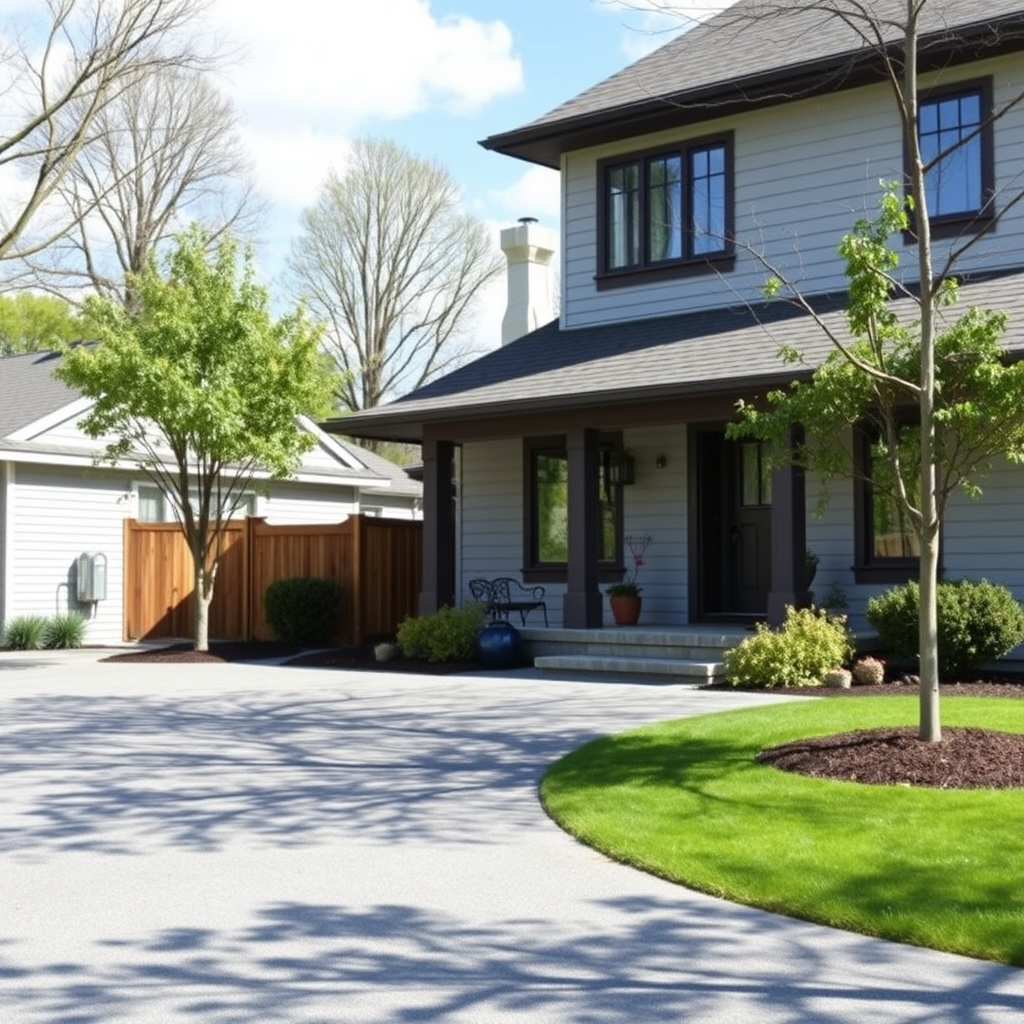
A cement driveway is commonly called concrete, although cement is one ingredient in the finished material. A properly mixed and placed concrete slab provides a durable surface for everyday vehicles while offering a clean appearance that works well with many residential architectural styles. In Baywood, a thoughtfully designed driveway can improve access, reduce muddy or uneven areas, and strengthen curb appeal without requiring frequent resurfacing.
Planning for Long Island conditions
Baywood’s moisture, seasonal temperature changes, freeze-thaw cycles, and winter maintenance can affect an exterior slab. Successful projects begin with an evaluation of soil conditions, existing grades, water movement, tree roots, and the connection to roads or parking areas. Poor drainage and an unstable subgrade are common causes of settling and cracking, so these issues should be corrected before placement. Applicable Town of Oyster Bay and Nassau County requirements should also be verified before construction begins.
A dependable installation process
- Site evaluation: Measure the area, review drainage, identify underground concerns, and discuss vehicle loads and desired finishes.
- Excavation and subgrade: Remove unsuitable material, establish the correct depth, and compact a stable base that supports the slab.
- Forms and reinforcement: Set accurate elevations and install reinforcement where appropriate for the soil, thickness, and expected use.
- Concrete placement: Place, consolidate, level, and finish the concrete efficiently while protecting it from adverse weather.
- Joints and curing: Add control joints to guide shrinkage cracking and maintain moisture during curing so the surface can develop strength.
Finishes, reinforcement, and drainage
A standard broom finish offers practical traction, while exposed aggregate, borders, or subtle color treatments can add visual interest. Reinforcement may include welded wire mesh or fiber, depending on project conditions and contractor recommendations. The driveway should slope away from structures where possible and direct runoff toward suitable drainage points. Control joints, slab thickness, and reinforcement should be selected together rather than treated as interchangeable upgrades.
Maintenance after installation
Keep the surface clean and inspect joints, edges, and drainage outlets periodically. Seal only after the concrete has cured sufficiently and use a product compatible with the selected finish. Remove snow gently, avoid repeated use of harsh deicing chemicals, and address oil or chemical spills promptly. Small cracks should be evaluated early so water infiltration or underlying movement does not create a larger repair.
Choosing a local contractor
Select a contractor familiar with Long Island soil and weather conditions. Ask about site preparation, concrete specifications, reinforcement, joint layout, curing, cleanup, and written warranty terms. A clear proposal should explain the work sequence, materials, schedule, and payment terms, giving Baywood homeowners a reliable basis for comparing options.
About Baywood, NY, US
Baywood, New York, is a close-knit Long Island community within the Town of Oyster Bay in Nassau County. Its established residences, varied lot grades, and proximity to North Shore neighborhoods create a practical setting for durable, thoughtfully detailed exterior improvements. A cement—more accurately, concrete—driveway can complement this character while providing a stable surface for daily parking and convenient property access.
Local conditions make careful planning especially important. Long Island weather brings moisture, seasonal temperature swings, freeze-thaw exposure, and occasional winter deicing use, all of which can affect an improperly placed slab. Proper subgrade preparation, reinforcement, drainage, control joints, and an appropriate finish help the driveway perform in Baywood’s residential environment. Contractors should confirm site-specific requirements with the Town of Oyster Bay and other applicable authorities before work begins.
Because Baywood properties range from level entries to sloped or tree-lined sites, an effective driveway design should respond to the individual lot rather than rely on a one-size-fits-all layout. The result can be a low-maintenance, attractive driveway that fits established homes, manages local drainage, and adds lasting curb appeal without overwhelming the community’s understated style.