
Complete Concrete Solutions in Quogue, NY
When you’re planning a driveway, walkway, patio, or other concrete project in Quogue, getting the right materials and workmanship matters. Concrete has to handle daily use, changing weather, and the wear that comes with coastal environments, seasonal freeze-thaw cycles, and heavy foot or vehicle traffic.
Long Island Mason & Concrete helps homeowners and property managers move from idea to finished surface with careful attention to prep, formwork, finishing, and long-term durability. Whether you’re refreshing an entryway, expanding outdoor living space, or repairing a worn or cracked concrete section, local know-how makes the process smoother and the results more dependable. You don’t have to guess what works—our team can guide you through options, discuss what to expect during the project, and focus on quality craftsmanship at every step. If you’re ready to improve curb appeal or restore function, you’re in the right place.
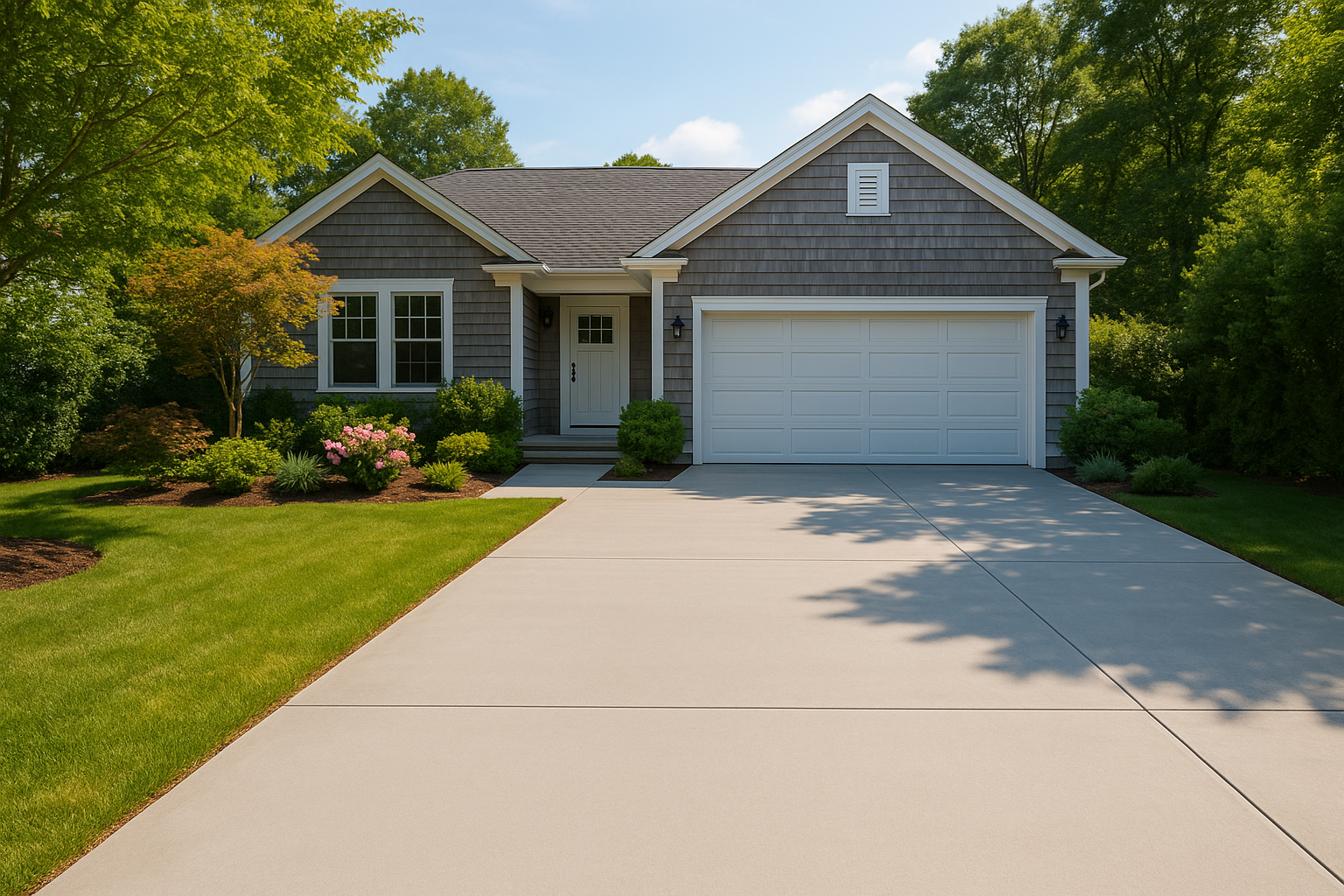
Local Concrete Services for Quogue Homes
Quogue is known for its beautiful homes and inviting outdoor spaces, so concrete projects often start with a simple goal: make everyday areas look great and last. Long Island Mason & Concrete is equipped to handle a wide range of concrete needs, from new installations to repairs and upgrades. The key is building on a solid foundation—literally—and finishing the work so it blends with how you use your property.
What Residents Commonly Need
- Driveways: Improve first impressions and create a smooth, reliable surface for daily driving and parking.
- Walkways & entry paths: Enhance accessibility and safely guide guests to doorways and outdoor living areas.
- Patios & outdoor surfaces: Support comfortable gatherings and outdoor routines while keeping maintenance manageable.
- Concrete repair & restoration: Address cracks, spalling, uneven sections, and areas that no longer perform as they should.
- Concrete replacement: When a section can’t be repaired effectively, replacing it can restore structure and appearance.
Why Proper Prep Makes a Difference
Concrete performance depends on what you do before the pour. Subbase preparation, proper grading, and attention to drainage help prevent premature cracking and uneven settling. With concrete, small details—like consistent support, correct alignment, and careful finishing—can have a big impact on durability and curb appeal.
Long Island Mason & Concrete works with a practical, quality-first approach so your project is built to meet real-world conditions in Quogue. That means taking time with the groundwork and choosing finishing techniques that suit your style and intended use.
How to Get Concrete Services Locally in Quogue
Getting started is straightforward. Residents typically begin by discussing the area you want to improve and the condition of existing concrete (if you’re repairing or replacing). From there, the team can help you understand project options, timelines, and what’s needed to prepare the site for a successful outcome.
To access service locally, reach out to Long Island Mason & Concrete and share:
- What you’re building or repairing (driveway, patio, walkway, or other concrete surface)
- Whether the project is new installation or concrete repair/replacement
- The general measurements and location on your property
- Any concerns you’ve noticed, such as cracking, trip hazards, or surface deterioration
This helps ensure the conversation stays focused and you can plan confidently from the first step to the final finish.
Benefits of Choosing a Local Concrete Team
Concrete in Quogue needs to be both attractive and resilient. Working with a team familiar with the area can help you make better decisions about durability, maintenance expectations, and project planning—especially when weather and seasonal scheduling are part of the equation. Long Island Mason & Concrete is committed to clear communication and workmanship you can feel good about, so your outdoor and driveway spaces are ready to serve you for years to come.
Ready to Improve Your Concrete in Quogue?
If you’re planning a new concrete project or want to restore an existing surface, Long Island Mason & Concrete can help you find the right approach for your home. Reach out to discuss your project and take the next step toward a cleaner, stronger, more functional property.
Quogue Concrete Needs Made for Real Life
Quogue, NY is a town where outdoor spaces matter. Many homes are built around relaxing, entertaining, and spending time outside, so concrete often plays a key role in driveways, walkways, patios, and other everyday areas. When concrete is done well, it helps properties look polished while staying dependable through regular use.
Because Quogue experiences seasonal changes, concrete surfaces benefit from a practical, durability-focused approach. Repairing small issues early, choosing appropriate finishes, and building on solid preparation can help reduce recurring problems and keep surfaces safe and attractive.
Long Island Mason & Concrete is a local resource for homeowners and property owners who want dependable craftsmanship and clear guidance. Whether you’re planning an upgrade or addressing worn concrete that’s starting to fail, a team that understands the realities of the area can help you move forward with confidence.
If you’re looking for concrete solutions in Quogue, start by contacting Long Island Mason & Concrete and sharing what you need. The right plan can bring back function, improve curb appeal, and make your outdoor spaces more enjoyable year-round.
Frequently Asked Questions About Concrete in Quogue, NY
How do I choose the right concrete type for my project in Quogue, NY?
Choosing the right concrete starts with matching the mix to your use. Driveways and walkways need good strength and abrasion resistance, while patios may prioritize workability and finishing. If you’re adding steps, ramps, or surfaces exposed to water, consider mixes that help reduce cracking and improve durability. Ask your contractor about design strength, aggregate selection, and finish options so the concrete performs well under New York weather conditions.
What’s the difference between stamped concrete and traditional broom-finished concrete?
Traditional broom-finished concrete is textured for traction and is typically a straightforward, durable finish. Stamped concrete uses molds to create patterns that resemble stone, brick, or other materials, giving a decorative appearance. Stamped surfaces often require careful subgrade prep and professional finishing to keep the pattern crisp and consistent. Your best choice depends on whether you want maximum slip resistance, visual style, or a lower-maintenance, simpler look.
How should I prepare the site before concrete is poured?
Proper site preparation is essential for preventing issues like uneven settling, scaling, and cracking. A contractor should evaluate soil conditions, remove organic material, and ensure the base is properly compacted and graded for drainage. Existing concrete may need assessment for removal or patching, depending on the scope. Rebar or mesh placement—if specified—should be handled before pouring. Good preparation supports a level finish and helps the concrete last longer.
How long does concrete need to cure, and when can I use the surface?
Concrete cure time depends on the mix design, temperature, humidity, and thickness. In general, it takes time to reach enough strength for regular use, and rushing can lead to surface damage, cracks, or weakened edges. A contractor can outline a curing plan, including whether to keep the surface covered or protected from wind and sun. For thicker slabs or decorative finishes, curing and drying requirements can vary, so follow the recommended timeline.
Can concrete cracks be fixed, or should I replace the slab?
Hairline cracks are often common and may be cosmetic, while wider cracks, displacement, or ongoing movement may indicate a deeper problem. Small cracks can sometimes be sealed or filled to improve appearance and reduce moisture intrusion. If the slab has heaving, major spalling, or uneven settling, repair may not hold and replacement could be the more durable option. A professional assessment helps determine whether the issue is shrinkage, base problems, or load-related movement before choosing a repair approach.