
Complete Concrete Solutions in Springs, NY
When you need concrete work in Springs, NY, it helps to choose a contractor that understands local conditions—everything from coastal weather swings to the daily wear and tear around driveways, walkways, and patios. Long Island Mason & Concrete is focused on practical, lasting results with workmanship you can feel in the finished edges, the clean layout, and the way the surface holds up over time.
Whether you’re planning a new concrete installation or repairing older slabs, starting with a clear plan can save time and money. From discussing your goals and site access to coordinating the work so your property is respected, a local team can guide you through the process with transparency and care. If you’re looking for reliable concrete services nearby, the team at Long Island Mason & Concrete helps homeowners and property owners move forward confidently—so you get a strong, attractive surface that fits how your home is actually used.
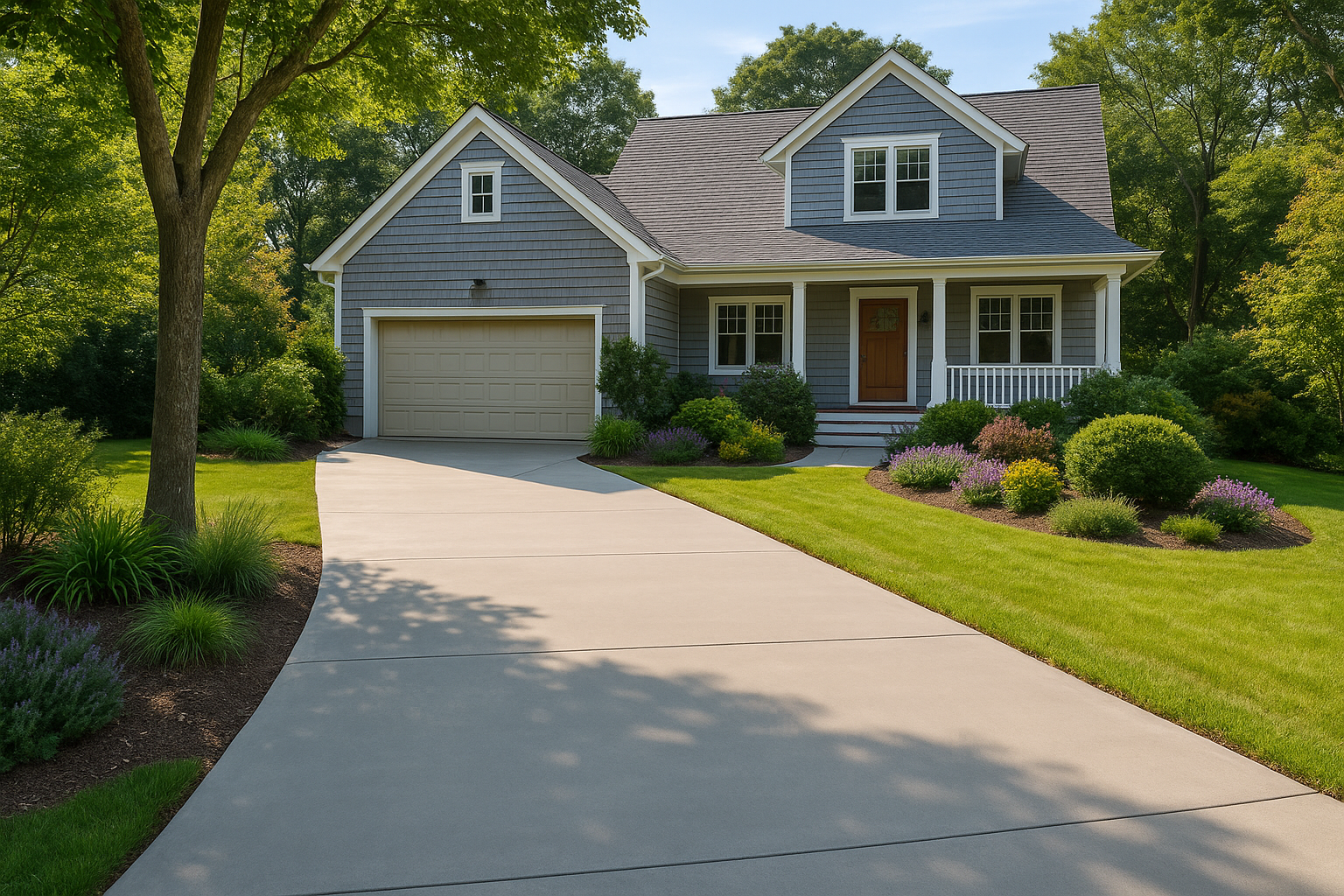
Local Concrete Services Residents Request in Springs
Springs is a community where homes and outdoor spaces are built for everyday living—plus, the weather can be demanding. Concrete is a great option because it’s durable, versatile, and designed to handle real-world use. Long Island Mason & Concrete provides concrete solutions that are tailored to residential needs, whether you’re improving curb appeal or getting ahead of wear and deterioration.
-
Driveway concrete: Durable surfaces for frequent vehicle traffic, with attention to leveling and finish details.
-
Walkways and paths: Smooth, safe access from entry points to yards, garages, and outdoor areas.
-
Patios and outdoor slabs: A solid base for relaxing, entertaining, and outdoor furniture.
-
Concrete repair: Help for cracks, uneven sections, spalling, and other issues that affect appearance and function.
-
Concrete finishing: Choose finishes that complement your home’s look while keeping long-term maintenance in mind.
Why Residents in Springs Choose Concrete
Concrete can be both functional and attractive, which is why it’s so common around Long Island homes. A well-built slab supports daily use—foot traffic, bikes, lawn equipment, and seasonal changes—without needing constant upkeep. Proper preparation and finishing also help concrete resist common problems like premature cracking and surface deterioration.
Another advantage is flexibility. Concrete can be used as a stand-alone solution or as a base that works with other outdoor updates you may be planning over time. If you’re working through a larger property refresh, concrete from Long Island Mason & Concrete can help create the sturdy groundwork that ties the project together.
How to Get Started with Concrete Work Locally
Access to a local concrete contractor is important because it allows for better communication, quicker scheduling, and a more site-aware approach. When you reach out to Long Island Mason & Concrete, you can expect a straightforward conversation about what you want to build or repair.
-
Discuss your goals: Share where the concrete will go and how you use the space.
-
Review site conditions: Factors like grade, drainage considerations, and existing surfaces can influence the best approach.
-
Plan the scope: The team can help outline the work needed to move from your vision to a finished surface.
-
Expect quality-focused execution: Proper preparation and finishing details help improve performance and curb appeal.
Concrete Repairs That Restore Safety and Appearance
If you’re noticing cracks, uneven areas, or rough spots, it’s often better to address the issue sooner rather than waiting. Small problems can affect how safe and level a walkway or driveway feels, and they can also worsen over time. Long Island Mason & Concrete can help homeowners identify practical repair options so your property looks better and remains easier to use.
Choose Long Island Mason & Concrete for Your Springs Project
From new installations to targeted repairs, Long Island Mason & Concrete brings a local, customer-first approach to concrete work in Springs, NY. If you want concrete that’s built to last and finished with care, reach out and get the conversation started. A clear plan today can make your outdoor space look better and perform better for years.
About Springs, NY & Why Concrete Fits Here
Springs, NY is a coastal Long Island community where outdoor spaces matter. Many homes rely on driveways, walkways, and patios for day-to-day convenience, and those surfaces have to handle everything from seasonal temperature shifts to the challenges that come with being near the water.
Concrete is a strong fit for local needs because it’s durable, adaptable, and well-suited for high-use areas. Whether you’re creating a new patio for gatherings, improving curb appeal with a refreshed driveway, or repairing a walkway that’s started to show wear, concrete can deliver a clean, dependable surface.
Long Island Mason & Concrete is there to help residents access concrete services close to home. Working with a local contractor supports smoother communication and a more practical site-aware approach, so you can move forward with confidence—knowing the goal is a finished result that looks good and functions well where you live.
Frequently Asked Questions About Concrete in Springs, NY
What types of concrete services do you provide for homes in Springs, NY?
Concrete contractors commonly handle a range of residential projects, including new concrete slabs, driveway and walkway installation, patio construction, concrete repair, and leveling or resurfacing. If you’re planning a small update—like a stoop, walkway, or garage pad—or a repair after cracking or spalling, start by describing the area and how it’s failing. A good pro will assess the existing slab condition, subgrade, drainage, and thickness before recommending the best option.
How do you determine whether my existing concrete should be repaired or replaced?
The decision usually comes down to the extent of deterioration and the cause of the problem. Surface-level cracking or minor scaling may be repairable, while widespread cracking, significant settlement, heaving, or thick areas of deterioration often indicate a replacement is more practical. A contractor will look at crack width and pattern, signs of moisture intrusion, unevenness, and whether the base has failed. They may also check surrounding grading so repairs aren’t undermined.
What concrete mix and finishing method should I expect for driveways or patios?
The right concrete mix and finish depend on the project’s use, thickness, and exposure to weather. For driveways and patios, contractors typically consider factors like freeze-thaw conditions, freeze resistance, slip resistance for finish, and curing requirements. Finishing choices—such as broom finish for traction or smooth finishes for decorative work—affect both appearance and performance. You can ask what finish best matches your goals and how they plan to cure the concrete properly for long-lasting results.
Can you help with concrete leveling for uneven slabs?
Yes—concrete leveling is often an option when a slab is uneven but not badly broken or structurally compromised. Contractors may use methods designed to lift settled concrete and restore grade while minimizing removal. The key step is diagnosing why the slab moved, such as soil voids, drainage issues, or base deterioration. If moisture problems persist, leveling alone may not hold. A practical approach involves evaluating the slab’s condition, checking surrounding slopes, and addressing drainage concerns before lifting.
What should I do before and after concrete is poured to help it last?
Before pouring, clear the work area and confirm access for equipment and materials. If you’re replacing existing concrete, ensure old debris is removed and discuss drainage and grading so water doesn’t pool around the new slab. After pouring, allow time for curing and avoid heavy loads too soon—your contractor will specify the appropriate timeline for foot traffic and vehicles. Once cured, simple maintenance like keeping expansion joints clean and avoiding harsh de-icers when possible can reduce premature wear.