What Is a Construction Service?
Construction service refers to the professional provision of planning, building, renovating, and maintaining structures such as homes, offices, factories, and public works. These services span project concept to completion and often include design coordination, permitting, site work, construction management, and post-construction maintenance.
Types of Construction Services
Residential Construction
Residential services cover single-family homes, multi-family buildings, additions, and remodels. Contractors working in this area typically handle carpentry, roofing, foundations, and interior finishes tailored to homeowners’ needs and budgets.
Commercial Construction
Commercial construction focuses on retail spaces, offices, hotels, and mixed-use developments. Projects often require coordination with multiple stakeholders, stricter codes, and specialized systems like HVAC and fire protection.
Industrial Construction
Industrial projects include warehouses, manufacturing plants, and distribution centers. These services emphasize heavy-duty structures, specialized equipment installation, and compliance with rigorous safety and operational standards.
Renovation and Remodeling
Renovation services refresh or adapt existing spaces. This can range from cosmetic updates to structural modifications and systems upgrades to improve functionality, energy efficiency, or aesthetics.
Stages of a Typical Construction Service
1. Project Planning and Design
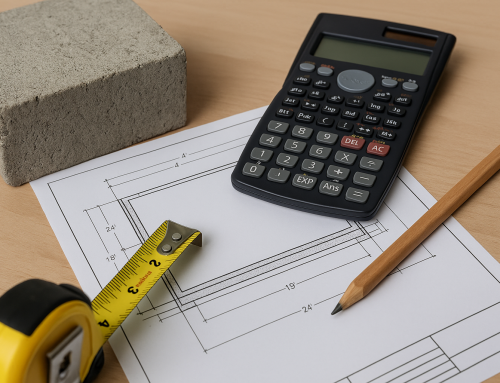
Every successful project begins with clear goals and thorough design. Architects and engineers develop drawings, cost estimates, and timelines. Proper planning reduces change orders and keeps the project on schedule and within budget.
2. Permitting and Approvals
Permits and inspections are mandatory. A knowledgeable contractor navigates local codes, submits documentation, and schedules inspections to ensure legal compliance throughout the build.
3. Site Preparation and Foundation
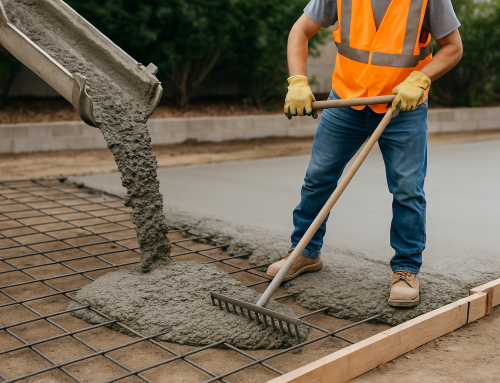
Site work includes grading, excavation, and utility connections. Laying a solid foundation is crucial—errors here can cause significant future costs and structural issues.
4. Construction and Systems Installation
This phase covers framing, roofing, mechanical systems, electrical wiring, plumbing, and insulation. Coordination among trades ensures systems are integrated and meet performance expectations.
5. Finishing and Handover
Finishes such as drywall, paint, flooring, fixtures, and landscaping are completed. The contractor performs final inspections, corrects deficiencies, and hands over documentation and warranties.
6. Maintenance and Post-Construction Support
Many contractors offer maintenance plans, warranty support, and facility services to preserve building performance and value over time.
Benefits of Hiring Professional Construction Services
- Expertise: Professionals know building codes, best practices, and efficient construction techniques.
- Time Savings: Project managers coordinate trades and schedules to meet deadlines.
- Quality and Safety: Trained crews deliver higher-quality results and adhere to safety standards.
- Risk Management: Licensing, insurance, and warranties transfer many risks away from the client.
- Cost Control: Accurate estimates, procurement networks, and value engineering help control costs long term.
How to Choose the Right Construction Service
Credentials and Experience
Verify licenses, certifications, and relevant project experience. Look for contractors who have completed similar work and can provide references and a portfolio.
Communication and Project Management
Good construction services provide clear points of contact, regular progress updates, and transparent documentation. Effective communication reduces misunderstandings and keeps the project aligned with expectations.
Cost Estimates and Contracts
Obtain multiple detailed bids and compare scope, materials, timelines, and payment schedules. A clear contract should outline deliverables, change order processes, and warranty terms.
Safety and Insurance
Confirm the contractor maintains adequate insurance, including general liability and workers’ compensation. Safety programs and on-site protocols protect workers and the job site.
Current Trends and Innovations
- Sustainable Building: Energy-efficient systems, green materials, and net-zero designs are increasingly standard.
- Prefabrication and Modular Construction: Off-site assembly reduces time on site and improves quality control.
- Digital Tools: Building Information Modeling (BIM), drones, and construction management platforms enhance planning and monitoring.
- Smart Buildings: IoT integration enables predictive maintenance and energy optimization.
Practical Tips for a Smooth Construction Project
- Define clear goals, budget, and timeline before hiring.
- Request a written contract with milestones and payment terms.
- Schedule regular site meetings and progress reviews.
- Plan for contingencies—allocate 10–15% of the budget for unexpected costs.
- Keep decisions documented to avoid disputes and delays.
Conclusion
Choosing the right construction service means balancing expertise, communication, cost, and safety. By understanding the stages of construction, verifying credentials, and embracing current trends like sustainability and digital tools, you can ensure a successful project that meets your goals and delivers long-term value.