Concrete Company Serving Lindenhurst, NY
Whether you’re planning a new patio, upgrading a driveway, or addressing concrete that has started to crack, it helps to work with a contractor that understands Long Island properties. Residents in Lindenhurst often need durable, well-installed concrete that can handle local weather swings and everyday use.
Long Island Mason & Concrete offers practical, hands-on concrete services for homeowners and property managers who want reliable results and clear communication from start to finish. From initial discussion of your project goals to on-site craftsmanship and final cleanup, you’ll have a team focused on quality workmanship and long-lasting curb appeal. If you’re unsure what type of concrete solution fits your space, you can reach out to talk through your options. That way, you can move forward with confidence—whether you’re working on an outdoor living area, a walkway, a foundation-related repair, or another concrete improvement.
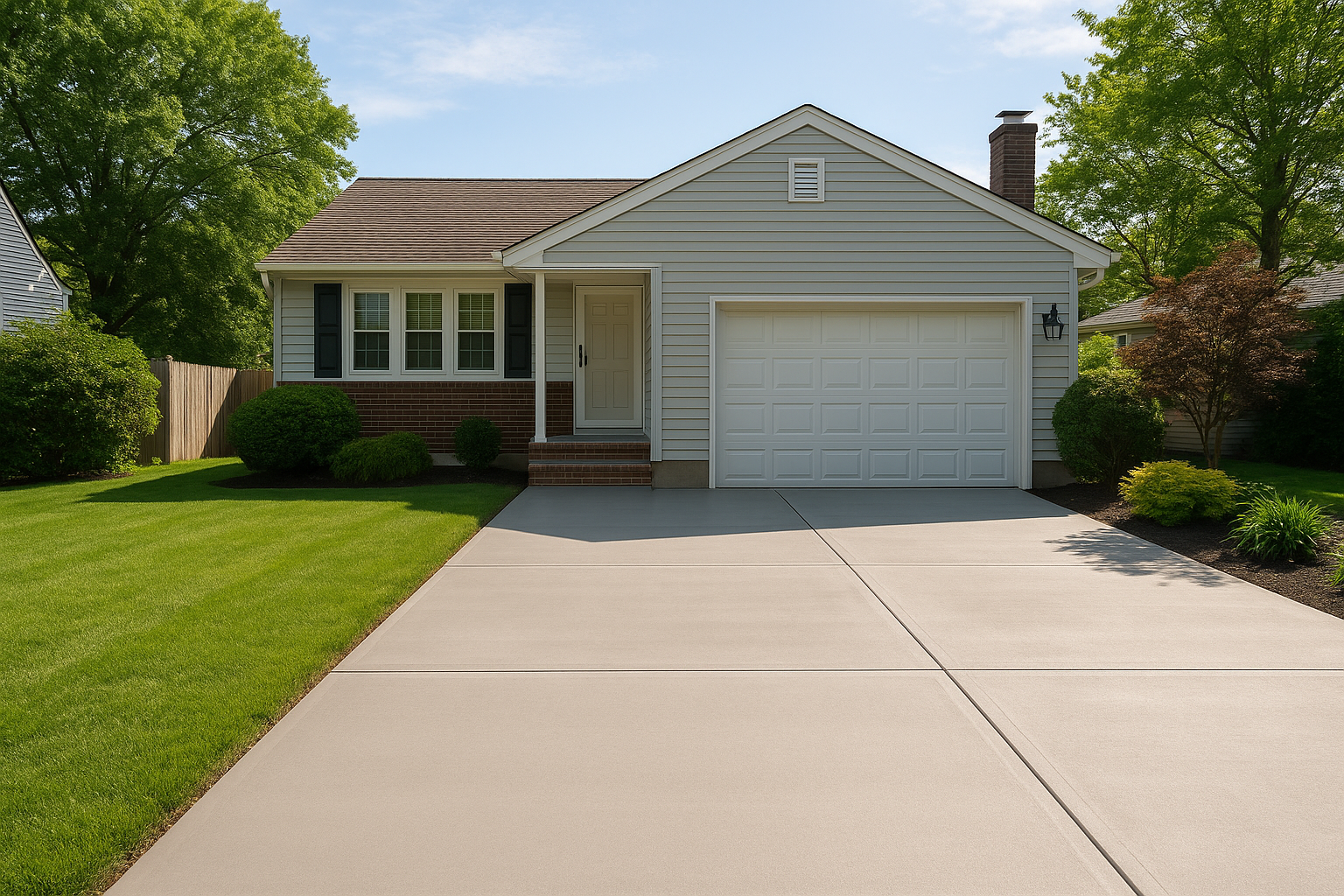
Local Concrete Services for Lindenhurst Homes
Concrete is one of those materials that should perform year after year, even when conditions change. If you live or manage property in Lindenhurst, you want results that look good today and hold up tomorrow. Long Island Mason & Concrete helps you get there by focusing on proper installation, careful attention to details, and respectful jobsite habits.
Common Concrete Projects We Help With
- Driveways: Improve appearance and functionality with concrete designed for regular vehicle traffic.
- Patios and outdoor living areas: Create a stable surface for gatherings, cookouts, and relaxing right at home.
- Walkways and steps: Make it easier and safer to move around your property with a clean, level layout.
- Concrete repair and restoration: Address cracks, spalling, and uneven areas to restore curb appeal and usability.
Why Work With a Local Concrete Contractor?
Concrete performance depends on more than just the material—it’s about site preparation, correct planning, and workmanship. Choosing a Long Island contractor like Long Island Mason & Concrete can make the process smoother because they’re familiar with the expectations and realities of local residential properties. That local perspective helps ensure your project is planned with practical considerations in mind.
Here are a few benefits residents often appreciate when working with a local team:
- Clear communication: You’ll know what’s happening and what to expect as the project moves forward.
- Careful installation: Proper prep and finishing work support a stronger, more attractive result.
- Focused on aesthetics and function: Concrete should enhance the way your property looks and works.
- Jobsite respect: A professional approach to cleanup and daily progress helps keep your property manageable.
How to Get Started (Locally, in Lindenhurst)
Getting your concrete project underway is usually straightforward. Start by reaching out to Long Island Mason & Concrete and sharing what you’re trying to build or improve. You can describe the area you want to work on, what’s currently there, and any goals you have—like improving traction, updating the look, or addressing a concrete problem.
From there, the team can help you understand next steps and discuss options that fit your project needs. If you’re repairing existing concrete, it’s especially helpful to let them know what you’ve noticed—such as where cracking or uneven spots are appearing—so the plan can be tailored appropriately.
Tips to Prepare for Your Concrete Project
- Have a clear idea of your timeline: Let the team know when you’d like the work completed.
- Think about how the space is used: Driveways and patios may need different considerations than walkways.
- Share photos if possible: Images can help explain the current condition and your vision.
- Ask questions: A reputable contractor should be willing to explain the process and answer concerns.
Ready for Concrete You Can Rely On?
If you’re in Lindenhurst and want a concrete contractor who emphasizes quality and straightforward guidance, Long Island Mason & Concrete is ready to help. Whether you’re planning a new installation or looking to repair and refresh an existing surface, you can take the next step toward a cleaner, more durable outdoor space.
About Lindenhurst, NY
Lindenhurst is a welcoming Long Island community where many homes include outdoor spaces designed for everyday living and seasonal gatherings. With the area’s coastal and weather influences, concrete surfaces need to be installed thoughtfully and built to last—especially for driveways, patios, walkways, and other high-traffic areas.
Choosing the right concrete work can make a noticeable difference in both curb appeal and daily convenience. A well-finished patio can turn an underused yard into a comfortable place to gather, while a properly installed driveway or walkway helps keep access safer and smoother.
For Lindenhurst residents, local service matters. Long Island Mason & Concrete helps homeowners and property managers move from ideas to finished results with clear communication and practical craftsmanship. If you’re dealing with cracks, uneven sections, or an outdated layout, you can discuss your goals and get help determining the best path forward for your property.
Frequently Asked Questions About Concrete in Lindenhurst, NY
What types of concrete services are commonly needed for homes and businesses?
Concrete projects often include driveways, patios, sidewalks, walkways, garage slabs, steps, and basement floors. Many homeowners also need concrete repair for cracks, spalling, uneven sections, or areas that have settled. Commercial needs can include loading docks, entryways, slabs for equipment, and minor flatwork repairs. If you’re planning new concrete or restoring existing surfaces, it helps to describe the area, dimensions, and any issues you’re seeing so the right mix and approach can be selected.
How do I know whether my concrete needs repair or full replacement?
A simple rule is: minor surface damage often responds to repair, while structural problems usually require replacement. Cracks that are wider, actively shifting, or accompanied by noticeable sinking or rocking are strong indicators. Spalling (chipping), flaking, or exposed aggregate may suggest deeper deterioration, especially if the surface keeps breaking down. If you see recurring pooling, significant trip hazards, or poor drainage around the slab, replacement may be the safer long-term option.
What’s the process for repairing cracks and preventing them from coming back?
Concrete crack repair typically starts with cleaning and preparing the area so patch materials bond properly. The method depends on the type of crack—hairline shrinkage cracks differ from wider cracks caused by movement. For many repairs, contractors remove loose material, stabilize any edges, and fill or seal with products suited for exterior exposure. Proper curing is critical, and addressing the underlying cause (like drainage, soil movement, or freeze-thaw effects) helps reduce the chance of repeat cracking.
How should I prepare the site before installing a new concrete driveway or patio?
Good prep helps ensure a flat, durable result. Before concrete placement, the existing material (if replacing) is removed, and the base is graded for proper slope and drainage. Topsoil and unsuitable material should be excavated so the subbase can provide firm support. Any utility penetrations should be planned in advance, and forms are set to keep the final edges straight. Clear the area of plants, debris, and items so the work can proceed safely and efficiently.
What factors affect curing time and when I can use the new concrete?
Curing time depends on weather conditions, concrete mix, thickness, and the placement schedule. Proper curing helps prevent surface defects like scaling and reduces the risk of cracking. In general, concrete gains strength over time rather than instantly, so early traffic can mark or damage the surface. Ask the contractor what conditions they’re accounting for and whether they recommend protecting the slab during curing, including avoiding heavy loads and keeping the surface from drying too quickly.