Why Choose Concrete for Your Driveway?
Concrete is one of the most popular driveway materials for good reasons: it blends durability, versatility, and relatively low long-term cost. Whether you’re building a new driveway or replacing an old one, understanding concrete’s advantages and limitations will help you make the right choice for your property.
Durability and Longevity
When properly mixed, poured, and maintained, a concrete driveway can last 25–40 years. Concrete resists heavy loads and everyday wear better than many alternatives. Cracking and surface wear can occur, but with timely repairs and proper joint planning, you can extend its life substantially.
Cost and Value
Concrete has a higher upfront cost than gravel or basic asphalt in many regions, but it often delivers better long-term value due to longevity and lower maintenance. Decorative options (stamped, colored, or exposed aggregate) can increase curb appeal and add to resale value.
Planning and Design Considerations
Driveway Size and Layout
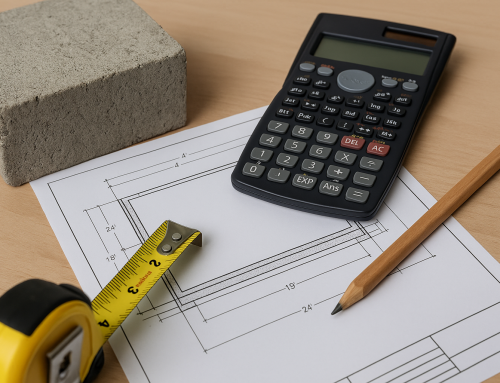
Start by measuring the length and width required for your vehicles, plus extra space for turning and guest parking. Consider future needs—larger vehicles, additional cars, or landscaping features—and plan a layout that’s both functional and compliant with local regulations.
Permits and Local Codes
Many municipalities require permits for driveway construction or enlargement. Check local codes for setbacks, drainage requirements, and allowable materials. Failing to secure required permits can lead to costly rework.
Aesthetics and Finishes
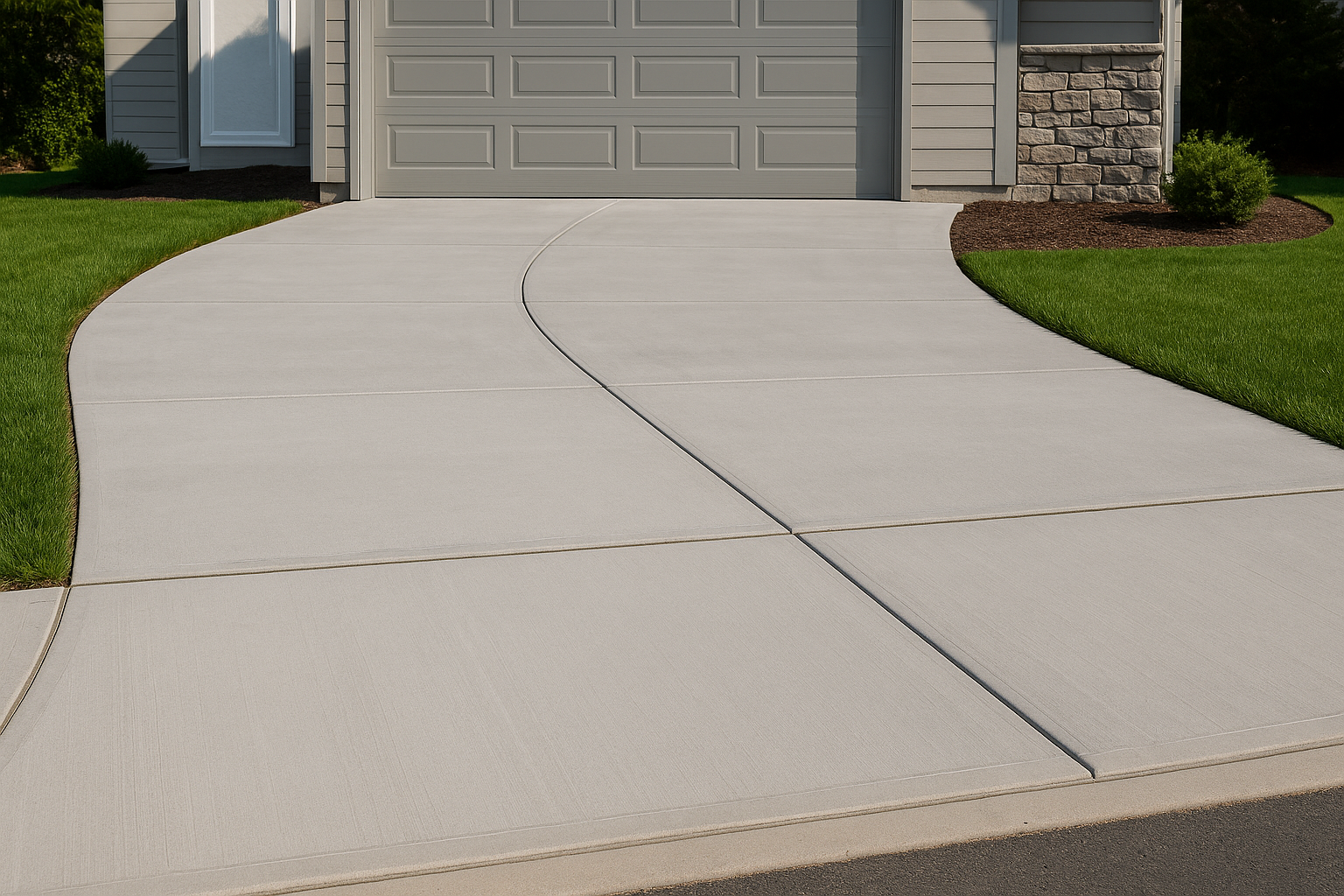
Concrete offers many finishing options: broom finish for traction, stamped patterns that mimic stone or pavers, colored concrete, and exposed aggregate for texture. Choose a finish that complements your home and meets safety needs.
Preparation and Installation Process
Site Preparation
Proper preparation is essential. Excavate to the recommended depth (typically 8–12 inches depending on soil and expected load), install adequate subbase materials (crushed stone or gravel), and compact thoroughly. Good drainage is critical—grade the base so water flows away from structures.
Choosing the Right Concrete Mix
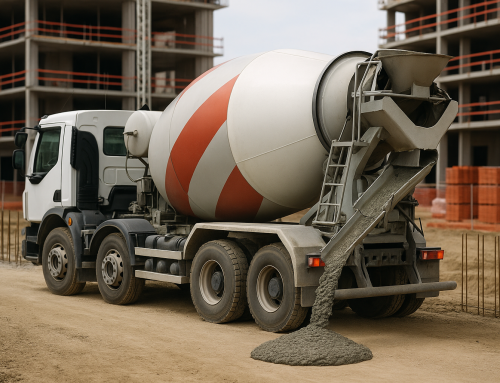
Choose a mix appropriate for driveways—commonly a 3500–4000 psi mix with air entrainment to resist freeze-thaw damage in colder climates. Local contractors can recommend admixtures for faster curing, improved workability, or reduced shrinkage.
Pouring and Finishing
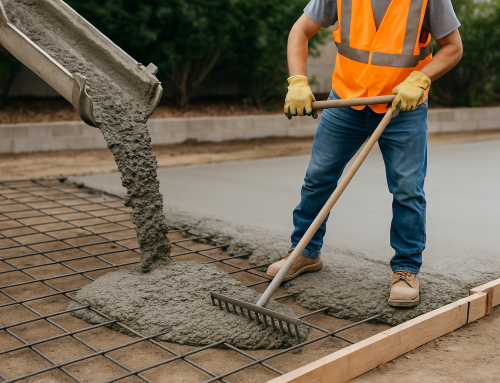
An experienced crew will screed, level, and finish the concrete in a controlled sequence. Joints must be cut or formed to control cracking; typically contraction joints are spaced every 8–12 feet for driveways. Proper finishing techniques reduce scaling and surface imperfections.
Curing and Jointing
Curing is critical to strength development. Keep the concrete moist for at least 7 days (curing compounds, wet burlap, or covers can help). Install control joints at the correct depth and location to manage natural shrinkage cracking.
Maintenance and Repair
Routine Cleaning
Regularly sweep and wash the driveway to remove debris, oil stains, and salts. For oil stains, use a degreaser or a poultice designed for concrete.
Sealing
Applying a quality concrete sealer every 2–4 years protects against stains, freeze-thaw damage, and UV discoloration. Choose a breathable sealer for driveways to allow trapped moisture to escape.
Common Repairs
Small cracks can be filled with concrete caulk or repair compound. For larger issues like spalling or settlement, patching or partial slab replacement may be necessary. Address drainage problems or tree-root issues to prevent recurrent damage.
Seasonal Care
In winter, use plastic shovels and avoid metal blades to prevent surface gouging. Limit use of de-icing salts that can accelerate surface degradation—calcium magnesium acetate is often a gentler alternative.
Costs and Longevity
Initial Costs
Driveway costs depend on size, thickness, finish, and site complexity. Expect higher costs for decorative finishes and challenging site conditions such as steep grades or extensive excavation.
Lifespan and Factors Affecting It
Quality of installation, subbase, drainage, freeze-thaw cycles, and maintenance habits all influence lifespan. Heavy truck traffic and poor grades that trap water shorten service life.
When to Replace vs Repair
Minor cracks and surface wear are often repairable. Replacement is usually the right choice when large sections show structural failure, widespread cracking, or when multiple repairs no longer provide reliable performance.
Eco-Friendly Options and Alternatives
Permeable Concrete
Permeable concrete allows water to pass through, reducing runoff and promoting groundwater recharge—ideal for driveways where stormwater management is a priority.
Recycled Materials
Using recycled aggregates or fly ash in the mix reduces environmental impact and can improve certain performance characteristics.
Alternatives: Pavers, Asphalt, Gravel
Pavers offer great aesthetics and easy repairs; asphalt is typically less expensive upfront but needs periodic resurfacing; gravel is low-cost but high-maintenance. Choose based on budget, climate, and desired look.
Conclusion
A well-planned and properly installed concrete driveway combines durability, low long-term cost, and design flexibility. Thoughtful preparation, the right mix and finish, routine maintenance, and timely repairs will keep your driveway functional and attractive for decades.