
Concrete Experts Serving Quiogue, NY
If you’re updating a driveway, repairing a walkway, or planning a new concrete patio, choosing the right local contractor makes a big difference in how smoothly the project goes—and how it holds up over time. In Quiogue, NY, concrete work needs to be handled with care for both everyday use and the seasonal changes that can affect surfaces.
Long Island Mason & Concrete is here to help homeowners and property managers access dependable concrete services without the guesswork. When you reach out, you can expect practical guidance, clear communication, and workmanship focused on creating strong, attractive results. Concrete may seem straightforward, but the details—surface preparation, correct placement, proper finishing, and realistic expectations—are what determine whether a slab looks great and performs well.
Whether your goal is to refresh an existing surface or build something new, this page is designed to help you take the next step locally. You’ll find service-focused information, what to ask before work begins, and how to coordinate your project so you can move forward with confidence.
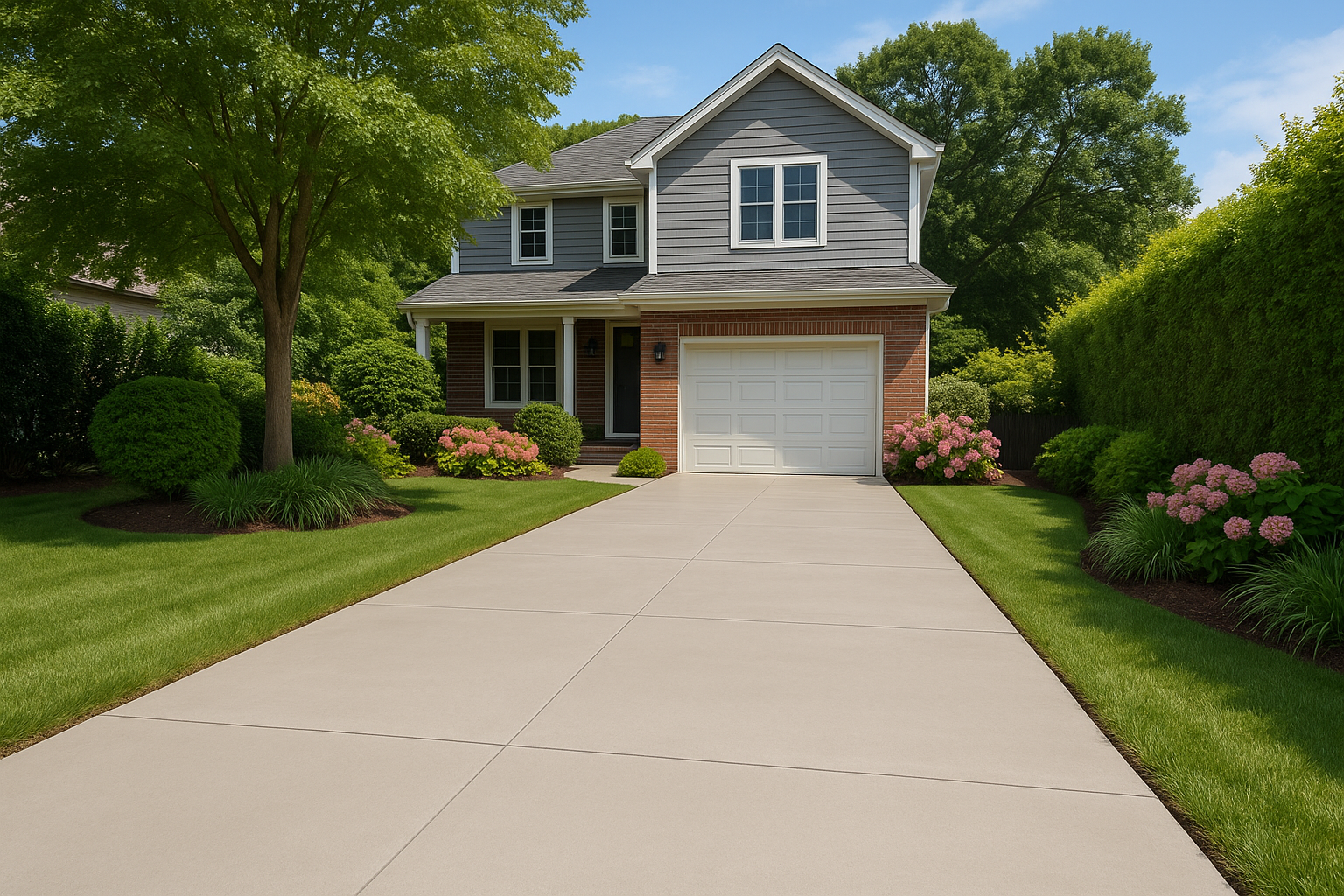
Local Concrete Services for Homeowners in Quiogue
Residents in Quiogue often need concrete work that blends function, curb appeal, and long-term durability. From driveways and walkways to patios and other flatwork, the right concrete approach helps minimize common problems like cracking, uneven settling, and surface wear.
Long Island Mason & Concrete works with clients who want a straightforward path from planning to completion. If you’re considering concrete for a high-traffic area, a decorative upgrade, or repairs to an existing surface, the process starts with understanding what you need and what the site requires.
Why Residents Choose Concrete That’s Built for Local Conditions
Concrete in Long Island communities needs to perform through changing seasons, moisture exposure, and daily use. While every property is different, solid concrete work generally depends on:
- Good subgrade and surface preparation to support the slab where it matters most.
- Proper placement and finishing for an even look and a surface that’s ready for everyday traffic.
- Thoughtful drainage awareness so water doesn’t undermine performance over time.
- Workmanship details that help new concrete look right and last longer.
For homeowners, that means fewer interruptions later and more confidence that the project will suit how you use your property.
Common Concrete Projects We Help With
Concrete contractors are often called when a surface needs rebuilding, upgrading, or protection. Long Island Mason & Concrete can assist with a range of concrete needs, such as:
- Driveway concrete for a refreshed entrance and improved usability.
- Walkways and paths to create safer, cleaner routes around your home.
- Patios for outdoor living spaces that look great and feel solid.
- Repairs to existing concrete when damage, wear, or uneven areas are affecting the surface.
If you’re not sure whether you need full replacement or targeted repairs, reach out and describe what you’re seeing. A good contractor can help you understand the options for your specific situation.
How to Get Started Locally
Getting a concrete project moving in Quiogue is often simpler than people expect. Here’s a practical way to begin:
- Share your goals (appearance, durability, repairs, or a new installation).
- Explain the current condition—for example, cracks, uneven spots, or worn surfaces.
- Ask about the process, including preparation, timelines, and what to expect during work.
- Confirm how the finished surface will be used so the approach matches your daily needs.
Long Island Mason & Concrete helps residents move from idea to plan with a service experience that’s focused on clear communication and quality results.
Questions to Ask Before Work Begins
To make sure you feel confident about the project, consider asking:
- What preparation is needed for my existing surface (if applicable)?
- How will you plan for drainage and site conditions?
- What finishing approach is recommended for the look and use I want?
- How should I plan around timing and access to the area?
These questions help set expectations early, which can lead to a smoother build and better end results.
Choose a Concrete Contractor You Can Count On
When concrete work is done well, it doesn’t just improve appearance—it supports day-to-day living and protects the investment you’ve made in your property. If you’re in Quiogue and need reliable concrete services, Long Island Mason & Concrete is ready to help you get the right solution for your home.
About Quiogue, NY
Quiogue is a coastal community on Long Island where many homes place a high value on appearance, functionality, and outdoor living. With properties that often include driveways, walkways, and patios, concrete surfaces play an everyday role—making durable craftsmanship especially important.
Because weather and moisture conditions can affect outdoor areas over time, residents benefit from concrete work that starts with proper preparation and continues through careful finishing. Whether you’re repairing an existing surface or planning a new installation, attention to the details helps concrete hold up under real use.
Long Island Mason & Concrete fits well with local needs by focusing on dependable, practical concrete solutions for homeowners in the Quiogue area. If you want a smoother process, clear communication, and workmanship that’s built for long-term performance, reaching out is the best next step toward getting your project underway.
Frequently Asked Questions About Concrete in Quiogue, NY
What types of concrete services are commonly needed in residential properties?
Homeowners in and around Quiogue often need concrete for driveways, sidewalks, patios, steps, and small exterior slabs like garage aprons or entry walkways. Some projects also include concrete repair for cracks, spalling, sunken areas, or edge deterioration. If you’re planning a new surface or replacing an old one, consider whether the concrete needs reinforcement, proper base preparation, and the right finish for freeze-thaw conditions common to the region. A clear scope helps avoid future unevenness.
How do I know whether I need concrete repair or full replacement?
Concrete repair can be a good option when the damage is limited—such as surface cracking, minor spalling, or localized settlement that hasn’t undermined the slab’s overall stability. Full replacement is often considered when there are widespread cracks, significant unevenness, repeated patch failures, or problems with drainage that continue to affect the slab. A practical approach is to assess the depth and cause of the issue, then decide between targeted patching and removing/repouring for long-term stability.
Why is proper base preparation so important before concrete is poured?
Base preparation determines how well the concrete performs over time. If the subgrade isn’t compacted or the base material isn’t installed correctly, the slab may settle unevenly, leading to cracking, trip hazards, and water pooling. For outdoor concrete, drainage matters too—poor grading can keep water near the slab and accelerate wear. Professionals typically evaluate soil condition, choose an appropriate base thickness, compact it properly, and confirm forms and elevations before placing concrete.
What concrete finish options are available for outdoor surfaces?
Outdoor concrete can be finished in several ways depending on your goals for slip resistance and appearance. Common finishes include broom-finish for traction, trowel-finish for smoother walkways, and exposed-aggregate styles for added texture. Edges can also be rounded or tooled to reduce chipping. The right finish depends on where the concrete will be used—driveways and steps generally benefit from traction-focused finishes, while patios may prioritize aesthetics. Discuss how the finish will look and how it will wear in wet weather.
How should I care for new concrete to help it last through seasonal weather?
Caring for new concrete starts with curing and protecting it from early damage. Proper curing helps concrete reach strength and reduces cracking risk. After the surface is finished, avoid heavy traffic and heavy loads for the recommended time window so the slab can set and harden appropriately. Once cured, routine maintenance—like removing debris, managing drainage, and promptly addressing small chips—helps prevent problems from spreading. For sealing or resurfacing, consult what’s suitable for your finish type and exposure conditions.