Concrete Experts Serving West Islip, NY
If you’re planning a new driveway, need repairs after weather damage, or want a cleaner, more durable outdoor surface, reliable concrete work makes a real difference in everyday life. For homeowners and businesses across West Islip, access to experienced local concrete contractors can help you move from idea to finished results with less guesswork.
Long Island Mason & Concrete helps residents and property owners with the kind of practical, quality-focused service that matters here—work that’s built to hold up to coastal conditions, seasonal temperature swings, and the heavy day-to-day use that concrete often faces. From concrete installation and resurfacing considerations to repair guidance, the goal is straightforward: help you choose the right approach for your project and get it completed with care.
On this page, you’ll find clear ways to access concrete services locally, what to expect when you contact a team, and which project types are commonly completed in the area. Whether you’re improving curb appeal, restoring a worn surface, or tackling a functional outdoor project, you can take the next step with confidence by reaching out and discussing your needs.
How to Get Concrete Service in West Islip
Getting started with a concrete project is usually easiest when you plan for three things: the scope of work, the timeline you’re working with, and the condition of your existing concrete (if you’re repairing or resurfacing). Long Island Mason & Concrete is set up to help West Islip residents understand the options so you can make decisions that fit your property and goals.
When you contact a concrete contractor, be ready to share a few details—what you’re building or fixing, where the concrete will be installed, and whether any areas are already cracked, uneven, or worn. If you’re unsure what solution best matches the situation, that’s normal; a professional can help review the conditions and recommend an approach.
Concrete Projects Commonly Needed by West Islip Residents
West Islip properties often rely on concrete for durability and low-maintenance performance. Many local projects focus on both function and curb appeal. Typical needs include:
- Driveway and walkway improvements: New installation, replacement, or repair to restore a smooth, dependable surface.
- Patios and outdoor living surfaces: Spaces designed for everyday use, entertaining, and long-term outdoor comfort.
- Concrete repair: Addressing cracking, spalling, settling, and other issues that affect how a surface looks and holds up.
- Resurfacing and enhancement options: When the foundation is still usable, refinishing may help refresh the appearance.
Because every property is different, Long Island Mason & Concrete can help you align the work with what your concrete is doing now and what you want it to do in the years ahead.
Benefits of Choosing an Experienced Concrete Team
Concrete isn’t a one-size-fits-all material. The success of your project depends on factors like preparation, proper finishing, and choosing methods that suit local conditions. Working with an experienced local team can offer practical advantages, including:
- Better planning from the start: Clear communication about the scope, materials, and expectations.
- Quality-focused craftsmanship: Attention to the details that help concrete perform well over time.
- Repairs that consider future wear: Solutions aimed at helping your surface stay stable and usable.
- Help choosing the right approach: Guidance so you can decide between new work and repair/resurfacing based on your situation.
What to Expect When You Reach Out
After you contact Long Island Mason & Concrete, the next step is typically a discussion of your goals and the condition of the area involved. A professional contractor will help you understand what’s feasible, what the work involves, and how to prepare so the project goes smoothly for you and your property.
If you’re ready to start, it helps to have basic information ready—such as the approximate size of the area, what the surface currently looks like, and whether there are specific concerns (like cracking, trip hazards, or water-related issues). From there, you can move toward a plan that fits your needs.
Ready to Upgrade or Repair Your Concrete in West Islip?
Whether you want a fresh start on a driveway or you’re looking to restore an outdoor surface, getting local support can make the process easier. Long Island Mason & Concrete is here to help West Islip residents pursue concrete work that looks good, functions well, and is built with care.
Reach out to discuss your project and get guidance on next steps.
West Islip Concrete Needs, Explained Locally
West Islip is a community where outdoor spaces get used year-round—by families, commuters, and local businesses. That everyday activity can take a toll on driveways, walkways, and patios, especially when concrete is exposed to changing temperatures and coastal weather patterns. When surfaces crack, settle, or lose their smoothness, it affects both safety and curb appeal.
That’s why concrete projects in West Islip often focus on long-term performance: repairs that restore stability, installation that supports daily use, and options to refresh existing concrete when appropriate. Residents also tend to care about how the finished work blends with their home, sidewalks, and overall property appearance.
Long Island Mason & Concrete fits these local needs by helping homeowners and property owners evaluate what’s most practical for their concrete—whether you’re planning new installation or addressing issues that have developed over time. If you want results that feel solid, look clean, and are planned thoughtfully from the start, reaching out with your questions is a great first step.
Frequently Asked Questions About Concrete in West Islip, NY
What types of concrete services are typically available in West Islip, NY?
Concrete work often includes flatwork like driveways, sidewalks, patios, and pool decks, along with structural or utility-related pours such as slabs, footings, and foundation repairs. Many homeowners also need resurfacing, patching, or driveway sealing to address cracking, spalling, or surface wear. If you’re planning decorative concrete, contractors may offer stamped, colored, or exposed-aggregate finishes. A good first step is to describe the project and your end goal so the right concrete mix and prep plan can be recommended.
How do I know whether to repair existing concrete or replace it?
It depends on the condition and cause of the damage. Small cracks that are stable may be suitable for patching and sealing, while spalling, broken edges, or areas that have heaved or settled often point to a larger issue—meaning replacement may be the safer choice. Water intrusion and ongoing movement under the slab are common reasons repairs fail. A contractor will typically evaluate the extent of cracking, slab movement, drainage, and whether repairs can address the root cause, not just the surface.
What’s involved in concrete driveway installation, from prep to finishing?
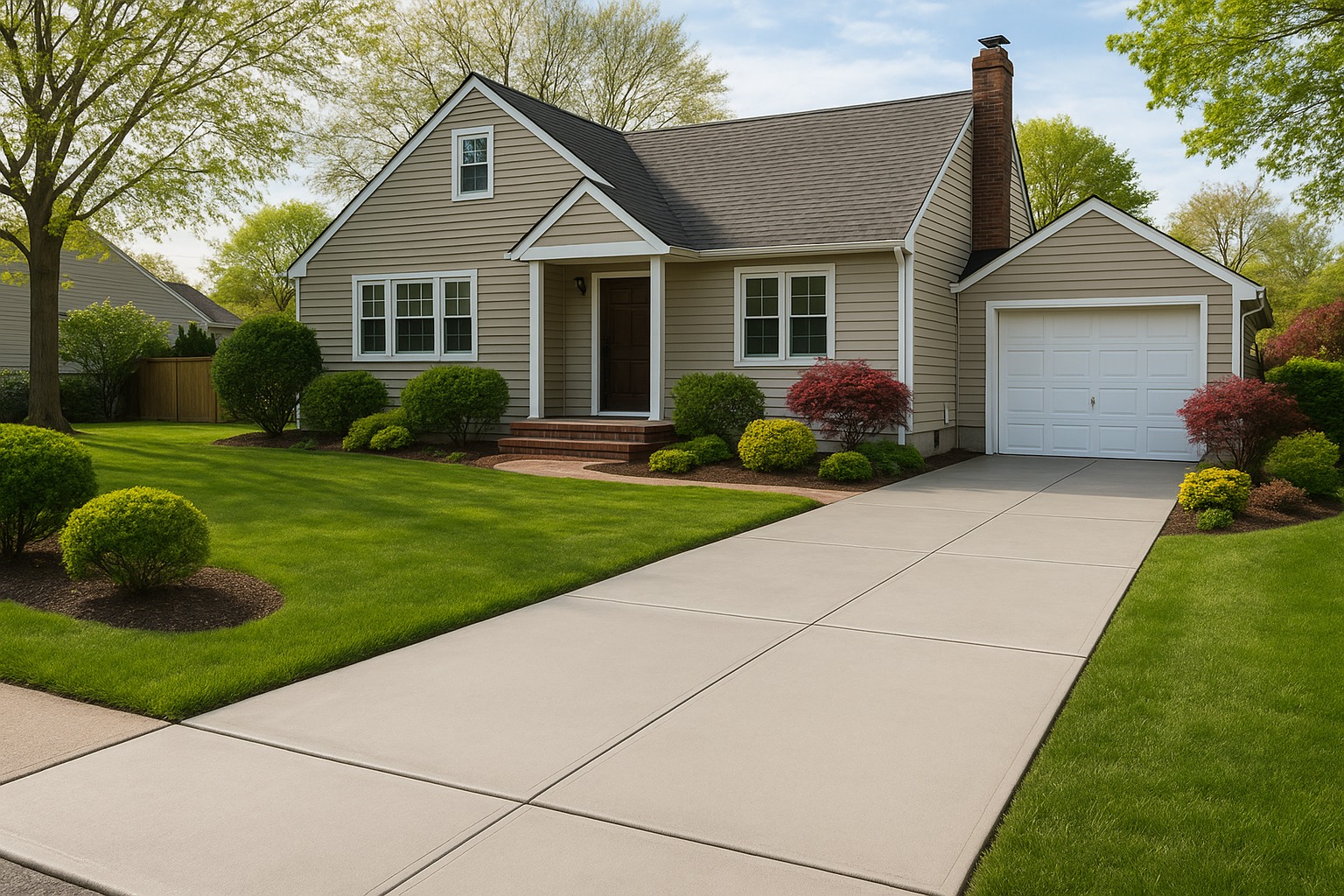
A proper driveway install starts with site evaluation and base preparation. The area is graded to manage water flow, then compacted base material is added to reduce future settlement. Forms and reinforcement (if needed) are set, and concrete is poured with attention to thickness and edges. Finishing includes screeding, floating, and applying the right texture for slip resistance. Control joints are placed to manage cracking patterns, and curing helps the concrete reach strength and durability before heavy use.
Can concrete be repaired for cracks, and will it keep spreading?
Concrete cracks can sometimes be repaired, but whether the crack will continue depends on why it formed. Hairline surface cracks may be treated with patching and sealing, while wider cracks, uneven lifting, or cracks that reappear after patching often indicate movement in the base. Joint-related cracking can be expected and managed with control joints and correct patch materials. A practical approach is to assess crack width, depth, and whether there’s any rocking or differential settlement, then choose repair accordingly.
What should I expect during the curing and drying time for new concrete?
After a pour, concrete needs time to cure so it gains strength and resists surface damage. The curing process depends on the mix design, weather conditions, and the specific finishing steps used. While concrete may be walkable relatively soon, it’s usually not intended for heavy loads until it has reached sufficient strength. The contractor should explain when you can use the surface for foot traffic, vehicles, and full-scale use, and provide steps to protect it from rain, freezing conditions, or excessive drying during the first days.