Understanding Concrete Pricing
Concrete pricing can feel confusing if you haven’t budgeted for a project before. Costs vary widely depending on material choices, labor, site conditions, and the type of finish you want. This guide breaks down the main factors that determine concrete cost, provides average price ranges, and offers practical tips to get accurate quotes and save money without sacrificing quality.
Key Cost Components
Materials
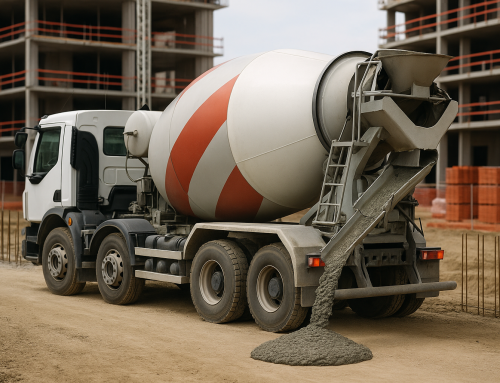
The base price of concrete is usually quoted per cubic yard for ready-mix or per bag for DIY mixes. Higher-strength mixes, additives (like air entrainment or accelerators), colored concrete, stamped patterns, or decorative aggregates will increase material costs.
Labor
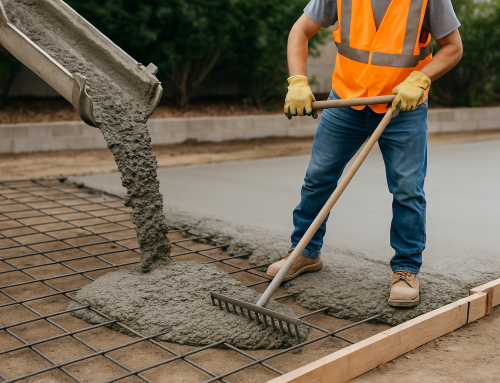
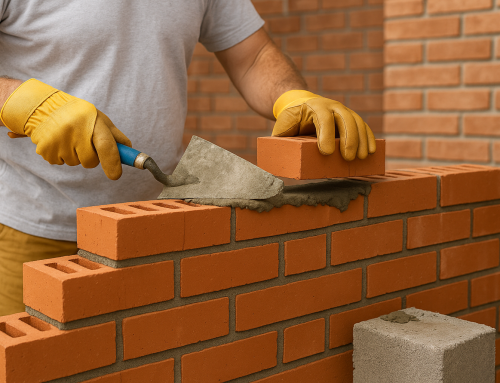
Labor often accounts for a large portion of the total. Skilled crews are required for proper forming, pouring, finishing, and curing. Labor rates vary regionally and with project complexity—more edges, steps, or specialty finishes mean more time and higher labor costs.
Site Preparation
Preparing the site often includes excavation, grading, soil stabilization, and creating a sub-base with gravel or crushed stone. Poor access, steep slopes, or removal of old concrete adds time and expense.
Reinforcement and Accessories
Rebar, wire mesh, control joints, formwork, and expansion joints add to cost. Reinforcement requirements depend on load expectations—driveways and structural slabs need more reinforcement than small patios.
Finishing and Treatments
Finishes range from a basic broom finish to polished, stained, stamped, or exposed aggregate. Sealers, curing compounds, and joint fillers are additional line items. Decorative and high-performance finishes carry a premium.
Average Costs: Per Cubic Yard and Per Square Foot
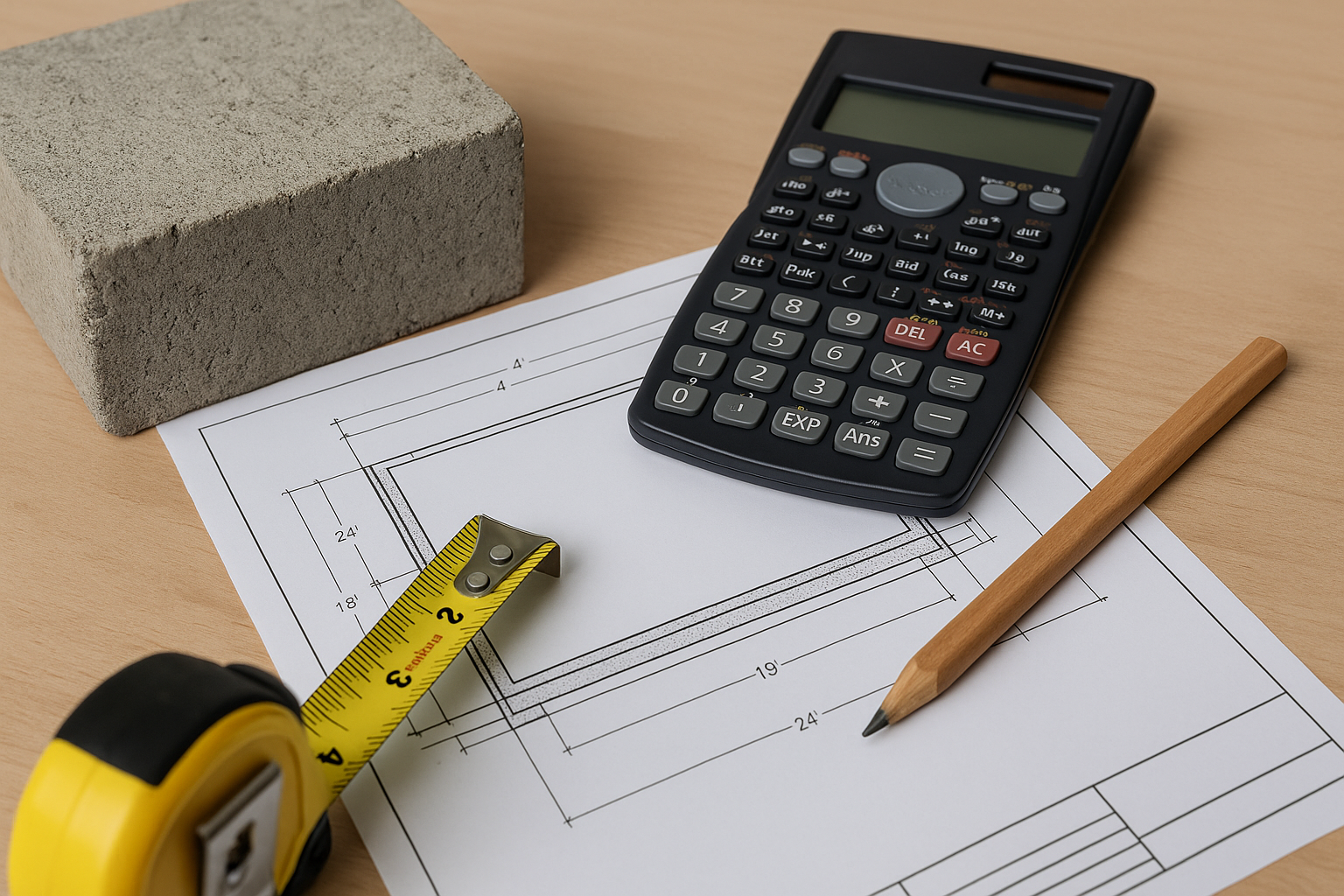
Prices change with markets and geography, but the following ranges give a useful baseline:
- Ready-mix concrete: $125–$185 per cubic yard (material only).
- Basic poured slab: $4–$8 per square foot (small patio or walkway, low complexity).
- Garage slab or driveway: $6–$12 per square foot (includes thicker slab and reinforcement).
- Decorative finishes (stamped/stained/polished): $10–$25+ per square foot depending on complexity.
Remember: those per-square-foot numbers usually include material and labor but not major site prep, demolition, or specialized reinforcement.
Cost Factors by Project Type
Driveways
Driveways require thicker concrete, reinforcement (rebar or mesh), and sometimes increased sub-base work. Expect to pay more than for a simple slab—budget for durability if you park heavy vehicles.
Patios and Walkways
These are typically less expensive but can quickly rise in cost if you choose decorative patterns, complex layouts, or extensive grading.
Foundations and Slabs
Structural slabs and foundations have stricter specifications for mix design, reinforcement, and inspections. Complying with local building codes and obtaining permits will add to the final invoice.
How to Get Accurate Estimates
- Get at least three written quotes from reputable contractors. Compare line items, not just final numbers.
- Ask contractors for a breakdown: materials, labor, site prep, reinforcement, finishing, and permits.
- Confirm whether the quote includes disposal of old material, permit fees, and cleanup.
- Request references and photos of similar work. A cheaper bid could mean shortcuts or inferior materials.
Ways to Save on Concrete
- Keep designs simple: fewer curves, uniform thickness, and standard edges reduce labor costs.
- Consider timing: shoulder seasons may bring lower labor demand and better pricing.
- Bundle projects: doing several small jobs at once can lower mobilization costs.
- Do some prep work yourself: removing small areas of old concrete or doing basic grading can reduce contractor hours (confirm with contractor first).
Common Additional Costs to Watch For
- Permit and inspection fees—required for many structural or large concrete projects.
- Extra excavation, rock removal, or soil correction—can add significant expense.
- Drainage solutions—sump drains, French drains, or surface grading to prevent water pooling.
- Weather delays—cold or wet weather can extend schedules and increase labor/hardship costs.
Questions to Ask Your Contractor
- What mix strength and slump will you use, and why?
- How will you handle reinforcement and joint placement?
- What curing process and sealer do you recommend for my climate and use?
- Do you carry liability insurance and warranties on your work?
Conclusion
Concrete pricing depends on many variables—materials, labor, site conditions, and finish choices. By understanding the cost components, getting multiple detailed quotes, and asking the right questions, you can budget more accurately and avoid surprises. Simple design choices and careful planning often deliver the best value without compromising durability.