Concrete Restoration Services in Massapequa, NY
If your driveway, patio, sidewalks, or exterior steps are showing cracks, spalling, or uneven surfaces, you’re not alone—weather and everyday use take a toll on concrete over time. The good news is that many issues can be repaired and restored instead of replaced, helping you regain a safer, better-looking surface.
Long Island Mason & Concrete helps homeowners and property managers in and around Massapequa, NY, evaluate concrete damage and recommend practical restoration options. Whether you’re dealing with surface deterioration, minor displacement, or larger wear-and-tear, our goal is to bring the concrete back to a stable condition and improve curb appeal.
Choosing local service matters. You can discuss your project details with a team familiar with local conditions, then move forward with a restoration plan designed for long-term performance. Concrete restoration can also be a cost-conscious approach compared to full tear-outs, and it reduces disruption by focusing on the areas that truly need attention.
When you’re ready, reach out to Long Island Mason & Concrete to schedule an assessment and learn which repairs make the most sense for your concrete surfaces in Massapequa.
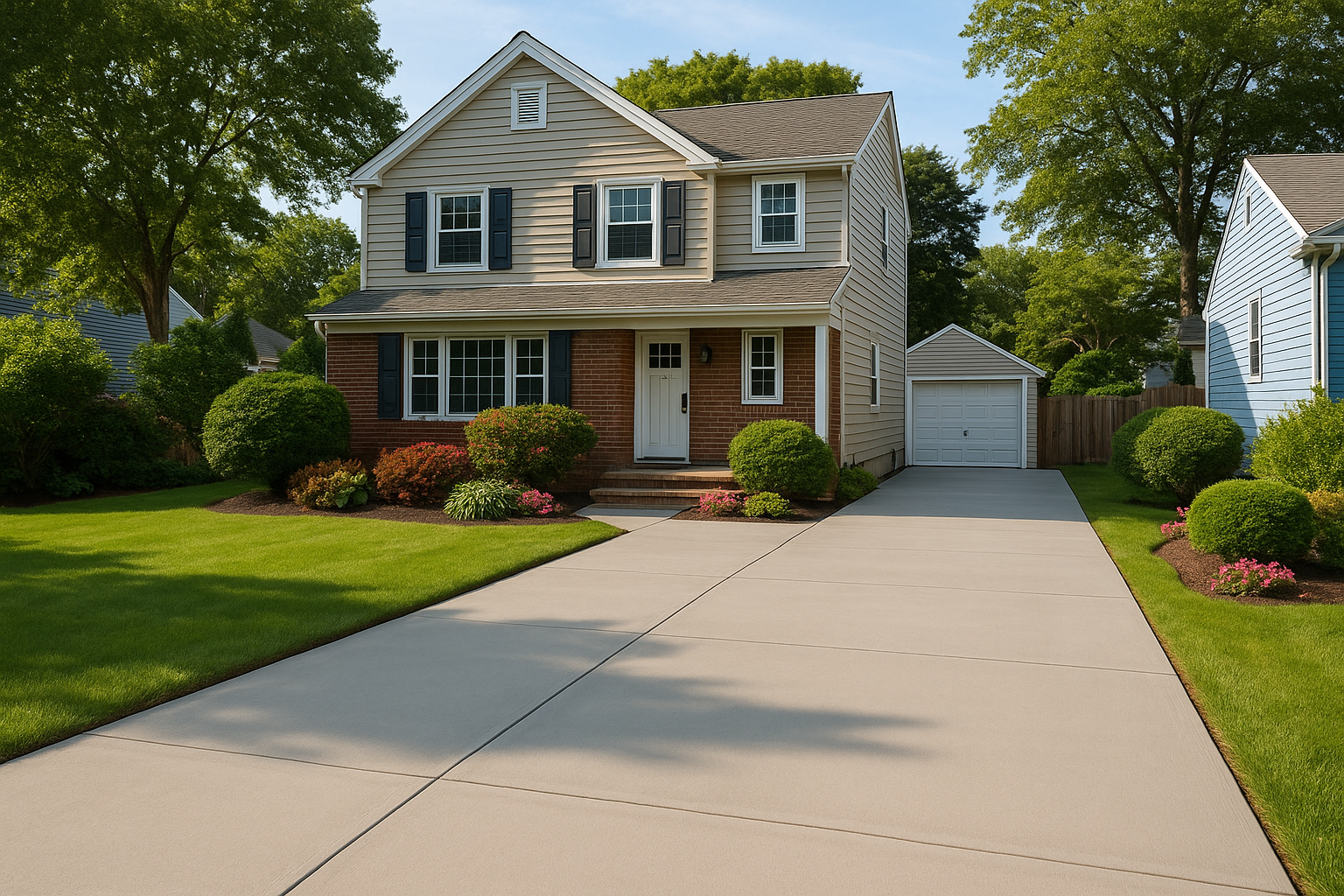
Why Concrete Restoration Makes Sense in Massapequa
Concrete is built for everyday life, but it isn’t immune to the effects of freeze-thaw cycles, moisture, and seasonal ground movement. In Massapequa, driveways and walkways often take heavy traffic—plus the wear that comes with winter conditions—leading to cracks, chipping, scaling, and trip hazards.
Restoration focuses on fixing the underlying problems and rebuilding a sound surface. In many cases, this means repairing damaged sections, restoring edges, and improving overall appearance without the time and expense of full replacement.
Common Concrete Problems We Help Address
Concrete restoration can cover a range of issues. If you’re noticing any of the following, it may be time to have your concrete evaluated:
- Cracks that widen or allow moisture intrusion
- Spalling, scaling, or surface deterioration
- Uneven slabs that create a tripping risk
- Damaged steps, walkways, or patio surfaces
- Edge break-down around driveways and exterior concrete
Restoration Options Tailored to Your Surface
No two concrete problems are exactly the same. Long Island Mason & Concrete approaches each job by assessing the condition of the slab and surrounding areas, then recommending an appropriate restoration method. Depending on what’s happening, restoration may involve:
- Concrete patching and resurfacing to rebuild worn areas
- Repairing cracked or spalled sections to restore durability
- Leveling and addressing uneven concrete where practical
- Finishes and protective steps that help the restored area blend in
Our focus is on restoring stability and usability first, then improving the look of your concrete so it fits your home’s exterior.
Benefits for Homeowners and Property Owners
-
Improved safety: Repairing cracks and uneven spots helps reduce trip hazards around entryways and walkways.
-
Better curb appeal: Restoration can refresh the appearance of driveways, patios, and sidewalks.
-
More efficient timelines: Restoration often targets the areas that need attention, which can mean less disruption than full replacement.
-
Practical, local guidance: A team familiar with Long Island conditions can help you choose the right repair approach.
How to Get Started Locally
Accessing concrete restoration services in Massapequa is simple: schedule an assessment and share what you’re seeing on your concrete surfaces. If possible, mention when the problem started, whether it’s getting worse, and any areas that feel uneven or have loose pieces.
After reviewing the concrete condition, Long Island Mason & Concrete can discuss the restoration approach that best matches your goals—such as improving safety, strengthening the surface, and restoring a more attractive finish. You’ll know what to expect before work begins, so there are no surprises along the way.
When Restoration Is the Right Choice
Restoration is often a smart option when the concrete is damaged but the overall structure can be repaired. If the slab has severe failure, extensive movement, or widespread issues, a contractor may recommend a different course of action. A professional assessment is the fastest way to understand your best next step.
If you want concrete that looks good, feels solid, and holds up season after season, reach out to Long Island Mason & Concrete for help with your Massapequa restoration project.
Massapequa Homes Need Concrete That Can Keep Up
Massapequa is a community where driveways, patios, and walkways do a lot of work—daily foot traffic, vehicle use, and seasonal weather all add up. Over time, even well-built concrete can develop cracks, surface wear, and uneven areas, especially where moisture and temperature changes are most noticeable.
For residents, concrete restoration offers a practical path forward. Instead of starting from scratch, repairs and targeted resurfacing can restore safer footing and improve the look of exterior spaces. That can be especially valuable when you want to refresh curb appeal without major disruption to your property.
Long Island Mason & Concrete understands the kinds of conditions that show up around Long Island homes. Our team helps Massapequa homeowners assess visible damage, discuss restoration options, and move toward repairs that bring your concrete back to stable, usable condition. If you’re noticing deterioration or trip hazards, an evaluation is the first step toward a clear, confident plan.
Frequently Asked Questions About Concrete in Massapequa, NY
What types of concrete services are commonly available in Massapequa, NY?
Concrete contractors typically handle a range of projects, including concrete pouring for slabs and pads, driveway and walkway replacements, sidewalk and curb work, concrete resurfacing, and repairs for cracking or spalling. Some companies also manage finishing and decorative work, such as stamping or staining, depending on the project. When contacting a contractor, explain what you’re building or repairing, including the approximate size and whether the concrete needs to be removed first.
How do I know if my existing concrete needs repair or full replacement?
Many concrete issues start small, but the right fix depends on the severity and cause. Hairline cracks may be sealed, while wider cracks, uneven settling, spalling (flaking), or areas that are sinking often require deeper repair or replacement. Water pooling, repeated freeze-thaw damage, and base failure can also signal that patching won’t last. A visual inspection should look for structural movement, thickness, and the condition of the base below the slab.
What’s involved in concrete driveway installation, from prep to finish?
A quality driveway installation usually starts with site prep: removing old material, assessing subgrade stability, and installing a proper base for drainage and support. Next comes formwork, reinforcement if needed, and concrete placement. Finishing includes the right surface texture for traction and controlling how the surface cures. Contractors also plan for joints to reduce random cracking and apply curing practices to help the concrete reach strength properly.
How long does concrete typically take to cure before it can be used?
Concrete curing depends on the mix design, weather conditions, and the thickness of the pour. While some handling can be possible sooner, using the slab too early can lead to surface damage or weaker performance. Many contractors recommend following specified curing time before driving or placing heavy loads. Ask your contractor what curing timeline applies to your project and whether protection steps—like keeping the surface covered or avoiding early traffic—are necessary in your conditions.
Can you repair cracked concrete, and will the crack come back?
Cracked concrete can often be repaired, but whether the crack reappears depends on the cause—shrinkage, freeze-thaw cycles, poor base support, or load stress. Common repair methods include sealing non-moving cracks or performing patching and deeper repairs for damaged sections. Proper jointing and addressing underlying drainage or base issues are key to longer-lasting results. A contractor can evaluate whether the crack is likely to continue moving and recommend the most appropriate repair approach.