
Concrete Restoration Services in Patchogue, NY
Patchogue homeowners and property managers rely on durable concrete for driveways, sidewalks, patios, and commercial walkways—yet everyday wear, freeze-thaw cycles, and weather exposure can take a toll over time. When concrete becomes cracked, spalled, uneven, or breaks down at the surface, it’s usually a sign that restoration—not just cosmetic patching—is needed to bring it back to solid, dependable condition.
Long Island Mason & Concrete helps residents across Long Island understand the difference between temporary fixes and restoration work that supports safer, longer-lasting results. From assessing visible damage to planning the right approach for your concrete surfaces, our team focuses on practical, locally relevant solutions. Whether you’re dealing with surface deterioration, joints that need attention, or areas that have started to fail, we’ll guide you through options designed to improve appearance, reduce further damage, and help restore the functionality of your concrete.
If your concrete looks worn or is creating trip hazards, don’t wait for the problem to spread. Learn how restoration services work, what to look for in local concrete damage, and how to get started with a consultation in Patchogue.
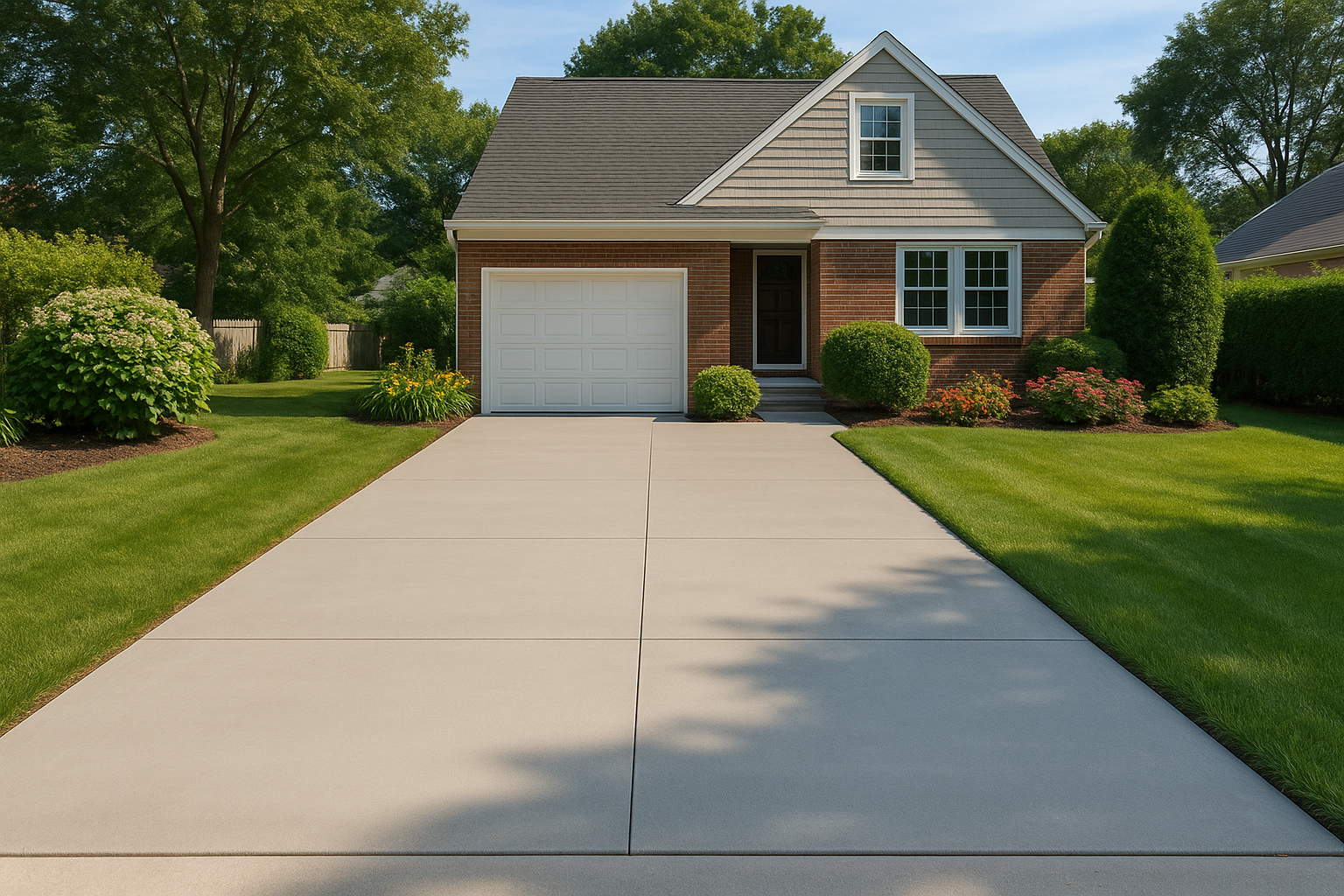
Why concrete restoration matters in Patchogue
In Patchogue, concrete surfaces are exposed to seasonal temperature swings and frequent moisture changes. Over time, that combination can cause surface scaling, cracking, and weakened edges—especially in high-traffic areas like entryways, walkways, and driveway zones. Restoration is often the most efficient path when concrete is still structurally usable but the surface has begun to fail.
Long Island Mason & Concrete focuses on restoring concrete with the goal of improving both function and curb appeal. Rather than replacing entire slabs in every case, restoration may help address deterioration where it started and extend the life of the existing concrete.
Common signs you may need concrete restoration
- Cracks that widen, deepen, or appear to multiply over seasons
- Spalling or flaking at edges or high-wear zones
- Surface scaling where the top layer is breaking down
- Uneven slabs that can create trip hazards
- Joint deterioration that allows water to penetrate
How local restoration can save time and protect your property
Restoring concrete can help you avoid more disruptive repairs later. When damage is addressed early, it can reduce the chance of water intrusion, freeze-thaw escalation, and larger-scale concrete failure. That means fewer interruptions to everyday routines and a smoother path back to a clean, level surface.
Restoration work also offers a more consistent look. Many homeowners want their patios, sidewalks, and driveways to look like they belong together—matching existing concrete profiles and finishes when possible. A restoration-focused approach can help maintain the layout and curb appeal you already have.
What to expect when you contact Long Island Mason & Concrete
Getting started is simple. You can reach out to Long Island Mason & Concrete to discuss what you’re seeing in Patchogue. A local conversation helps us understand the type of concrete surface, how the damage is behaving, and where restoration will make the most sense.
Depending on the condition of the concrete, restoration solutions may include surface repairs, joint-focused work, and targeted methods designed to improve durability. The right approach depends on how widespread the deterioration is, whether it’s mainly at the surface, and how the concrete has been impacted by moisture and weather.
Where concrete restoration is commonly needed
Concrete damage can show up in many everyday places. If you’re noticing issues around your property, restoration may be appropriate for:
- Driveways and driveway approaches
- Sidewalks and walk-up paths
- Patios, steps, and landing areas
- Garage entries and exterior landing zones
- Commercial or mixed-use exterior concrete walkways
How to choose the right local approach
When comparing options, look for a team that prioritizes assessment and the underlying cause of the damage. Avoid solutions that only cover problems temporarily. A restoration plan should aim to stabilize deterioration, improve surface integrity, and help prevent future breakdown as conditions change throughout the year.
Long Island Mason & Concrete is here to help Patchogue residents make informed decisions—so you can move forward with confidence and restore concrete that looks good and functions the way it should.
Patchogue’s concrete needs, met locally
Patchogue, NY is a community where outdoor spaces matter—whether it’s a well-used driveway, a welcoming walkway to the front door, or a patio area for everyday life. With changing seasons and moisture exposure, concrete surfaces in Patchogue can develop cracking, scaling, and weakened edges that affect both appearance and safety.
Concrete restoration fits local needs because it targets deterioration before it spreads. For many properties, the goal isn’t always full replacement; it’s improving the parts that have started to fail while preserving the overall structure where possible. Restoration work can help reduce trip hazards, improve curb appeal, and support longer-lasting durability for the areas you rely on most.
Residents often appreciate a straightforward, practical process—one that starts with seeing the concrete issues clearly and matching the solution to the specific type and location of damage. Long Island Mason & Concrete brings local experience to help Patchogue homeowners and property managers restore exterior concrete with the care and attention concrete surfaces deserve.
Frequently Asked Questions About Concrete in Patchogue, NY
What types of concrete services do you handle for residential properties in Patchogue?
Residential concrete needs can include driveway and walkway installation, patio slabs, steps, concrete leveling for sunken areas, and repairs for cracks or spalling. If you’re replacing an old slab, we can also help assess the current condition so the right approach is chosen—whether that’s patching, resurfacing, or full removal and re-pour. Before work starts, we review the project goals, desired finish, and how the concrete will be used so it performs well day to day.
How do you determine whether my concrete needs repair, resurfacing, or replacement?
The best option depends on the slab’s condition and the type of distress. For example, surface-level cracking may be suitable for patching or resurfacing, while widespread cracking, movement, or significant heaving often points to replacement. We typically look at crack width and pattern, areas of settlement, uneven surfaces, and any signs of water intrusion that could worsen the issue. The goal is to match the fix to the underlying problem, not just the visible damage.
What should I expect during a concrete installation from start to finish?
A typical concrete project includes preparation, forming, reinforcement (when needed), concrete placement, and finishing. Preparation usually involves removing existing material if applicable and preparing the base to help support the slab. After the pour, finishing steps like smoothing and edge work are completed, and texture may be added for slip resistance. Curing time is important—concrete needs proper curing before it can handle foot traffic or vehicles. We’ll guide you on safe usage after installation.
Can you fix uneven concrete and trip hazards around my home?
Yes—uneven concrete and trip hazards are common repair needs. The right fix depends on why the surface is uneven. Small surface defects may be handled with patching and leveling materials, while larger areas affected by settlement may require more extensive work. We evaluate the affected sections and recommend the approach that restores a safer, flatter surface without creating new weak spots. Addressing these hazards promptly can also reduce further cracking and prevent water from pooling.
How do I maintain my concrete driveway or patio to prevent cracks and spalling?
Good maintenance starts with keeping water under control and protecting the surface from wear. Regular cleaning helps remove dirt and salts that can contribute to deterioration. If you live where freezing occurs, avoid allowing water to repeatedly soak and refreeze in cracks. Sealing can help reduce moisture penetration, but it should be applied at the right time after a new pour or after repairs. For joints and cracks, prompt attention to minor issues helps prevent them from expanding.