Concrete Restoration Services in Wyandanch, NY
When concrete surfaces fail, the impact is immediate—trip hazards, uneven walkways, doors that don’t close properly, and curb appeal that takes a hit. In Wyandanch, where properties see everyday wear from weather swings and heavy use, timely concrete restoration helps keep homes, sidewalks, and driveways in workable shape.
Long Island Mason & Concrete provides practical, locally focused solutions for homeowners and property managers who want safer, longer-lasting concrete. Whether you’re dealing with cracked slabs, spalled steps, deteriorating slabs around exterior areas, or damage that’s starting to spread, professional repair can restore function and help you avoid more expensive replacement later. A restoration approach also means you can target the specific problem areas—lifting, patching, resurfacing, and other repair methods designed to improve stability and appearance. If you’re noticing deterioration around entrances, along paths, or in high-traffic areas, reaching out early is often the smartest move. This page explains what concrete restoration typically includes and how Wyandanch residents can get help quickly through Long Island Mason & Concrete.
Why Concrete Restoration Matters in Wyandanch
Concrete is built to last, but it doesn’t stay problem-free. In Wyandanch, seasonal temperature changes, moisture exposure, and constant foot and vehicle traffic can lead to cracking, sinking, and surface breakdown. Even “small” issues—like hairline cracks or worn edges—can worsen when water gets in and undermines the concrete beneath.
Concrete restoration helps address the root cause of damage when possible, improves safety, and refreshes the look of your property. For many residents, restoring what’s already in place is the most efficient path compared to full replacement.
Common Concrete Problems We Help Residents Address
-
Cracks and spalling: Repairs designed to reduce further deterioration and restore a more solid surface.
-
Uneven concrete and settling: Solutions that help improve flatness and reduce trip hazards.
-
Damaged steps, landings, and walkways: Restoration work to support safer access to entrances.
-
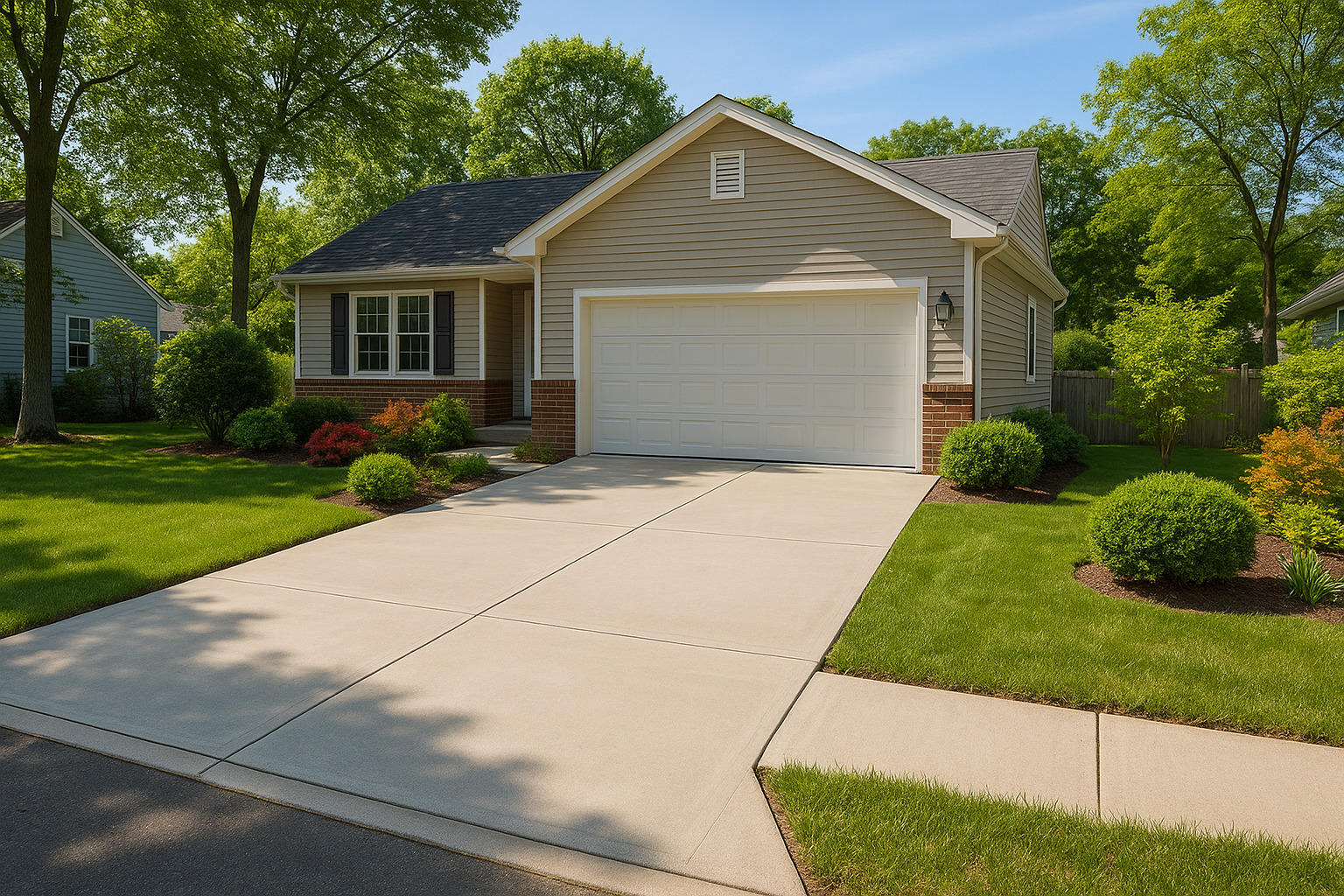
Deteriorated driveway or exterior slabs: Targeted repairs to improve stability and curb appeal.
What Concrete Restoration Typically Includes
Every project starts with an assessment of the concrete condition—looking at where the damage is located, how extensive it is, and whether it appears to be surface-only or related to deeper issues. From there, Long Island Mason & Concrete can recommend the most appropriate restoration plan.
-
Surface preparation: Proper cleaning and prep so repairs can bond effectively.
-
Concrete patching and repair: Filling and rebuilding damaged areas to restore strength and usability.
-
Re-leveling and stabilization (when needed): Addressing uneven areas to improve safety and performance.
-
Resurfacing or finishing (project dependent): Improving appearance while supporting long-term durability.
Benefits for Wyandanch Homeowners and Property Owners
Choosing concrete restoration can offer several advantages:
-
Improved safety: Reduce trip risks caused by uneven or broken sections.
-
Better usability: Restore walkways and exterior access so they work the way they should.
-
Longer concrete life: Repairs can help protect existing slabs from further wear.
-
Cost-conscious approach: Restoration often helps you avoid the expense and disruption of full replacement when damage is repairable.
-
Enhanced curb appeal: Fresh finishes and repaired surfaces can make a noticeable difference.
How to Get Concrete Restoration Help Locally
If you’re in Wyandanch and your driveway, walkway, steps, or exterior concrete is showing damage, you don’t have to guess where to start. The team at Long Island Mason & Concrete can help you move from concern to clarity by evaluating the condition of your concrete and discussing restoration options that fit your goals and the severity of the damage.
To get started, reach out with a brief description of what you’re seeing—where the cracks or uneven areas are located and whether the damage is getting worse. The more detail you can share (for example, if a section has sunk, if water collects, or if you’ve noticed movement), the easier it is to plan an effective restoration approach.
Restoring Concrete You Can Count On
When concrete problems are addressed early, you often have more restoration options available. Long Island Mason & Concrete focuses on practical repairs that improve safety, function, and appearance—helping Wyandanch residents protect the parts of their property they use every day.
Wyandanch Concrete Needs, Explained
Wyandanch is a busy, everyday community where driveways, sidewalks, and exterior steps are used constantly. Over time, normal exposure to moisture and temperature changes can lead to cracks, surface wear, and uneven spots—especially in high-traffic areas near entrances and along paths.
Concrete restoration is a good fit for Wyandanch homeowners and property owners because it targets damage where it shows up. Instead of treating every issue as a total replacement job, restoration can refresh worn surfaces, repair affected areas, and help improve safe footing and reliable access around your home.
Long Island Mason & Concrete understands that local properties need dependable results that make daily life easier—whether you’re addressing safety concerns like trip hazards or wanting to restore curb appeal. If your concrete is starting to fail, scheduling an evaluation sooner can help you protect what you already have and choose the right restoration approach for your situation.
Frequently Asked Questions About Concrete in Wyandanch, NY
What types of concrete services are commonly available in Wyandanch?
Concrete contractors typically handle a range of projects, including flatwork like driveways, sidewalks, patios, and garage floors, as well as concrete repair such as crack filling, patching, and resurfacing. Some teams also support upgrades like concrete demolition and replacement when slabs are too deteriorated to repair. If you’re unsure what you need, a contractor can assess the existing concrete condition, note issues like spalling or uneven settling, and recommend the most cost-effective option.
How do I know whether I need concrete repair or full replacement?
In general, small surface damage like minor cracking or spalling may be repairable, especially if the slab is still stable and drainage hasn’t caused ongoing movement. Full replacement is often considered when there are wide cracks, heaving, repeated patch failures, or significant unevenness that creates tripping hazards. A professional evaluation looks at crack patterns, slab thickness and stability, and whether moisture or base issues are driving the problem so the fix addresses the root cause.
What’s involved in concrete driveway installation from start to finish?
A solid driveway installation usually starts with removing old material (if replacing), then preparing and compacting the base to reduce future settlement. Forms are set to hold the correct shape and pitch for water runoff. The concrete is poured, leveled, and finished to match your desired texture and slip resistance. After curing, joints may be cut or installed to control cracking, and sealing may be recommended depending on exposure and your maintenance goals.
Can you fix cracks in existing concrete, and will they come back?
Cracks can sometimes be repaired, but whether they “come back” depends on why they formed. Hairline surface cracks may be filled to improve appearance and reduce water intrusion. If cracks are widening, offset, or accompanied by movement, it may indicate underlying base problems, drainage issues, or freeze-thaw stress—meaning simple patching may not last. A contractor should inspect the crack width, edges, and surrounding conditions to choose the right repair method.
What should I consider when choosing decorative concrete finishes?
Decorative concrete options can include stamped patterns, exposed aggregate, and tinted color, along with different textures for slip resistance. Before finalizing a look, ask how the finish will be prepared over your specific slab and whether existing concrete needs leveling or resurfacing. It’s also smart to discuss maintenance, because some finishes may require periodic cleaning or sealing to keep color consistent and protect against moisture. A clear sample or color chart helps ensure you’re matching your expectations.