Concrete Services in Mastic, NY
Long Island Mason & Concrete focuses on practical, solid workmanship and clear communication so you know what to expect from start to finish.
Concrete is a long-term investment, but it has to be installed and maintained with the local climate and everyday use in mind. From freeze-thaw cycles that can stress slabs to heavy vehicle traffic that can wear down surfaces, the right approach matters. Hiring experienced pros can also help you choose finishes, thickness, and layout details that fit your property and your goals.
This page is designed to help Mastic residents understand how to access concrete services locally. You’ll find guidance on common residential concrete needs, what to consider before starting, and how Long Island Mason & Concrete can support your project—so you can plan with confidence and get the driveway, walkway, patio, or concrete repair you need.
Local concrete projects homeowners ask for in Mastic
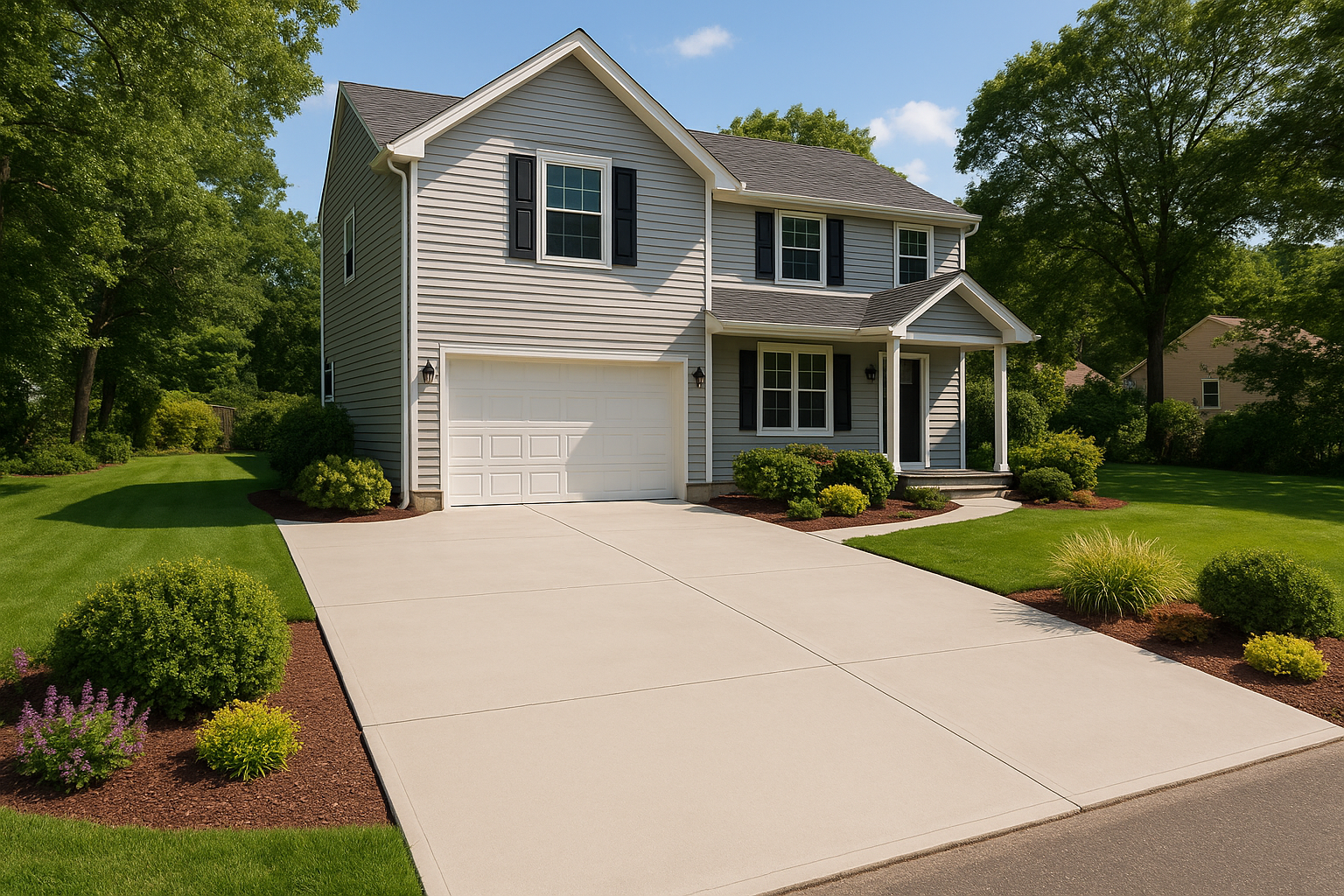
In Mastic, concrete is commonly used for driveways, walkways, patios, steps, and other exterior surfaces that need to stand up to daily life. Whether you’re refreshing the look of your home or addressing concrete that’s starting to fail, the team at Long Island Mason & Concrete can help you move forward with a plan that fits your property.
How to get started with a concrete project near you
The easiest way to begin is to reach out and share what you want to build or fix. A local contractor can help you narrow down the scope—such as demolition and removal needs, surface prep, the preferred finish, and how drainage or site conditions may affect the final result. From there, you can discuss timelines and options that match your budget and goals.
- Describe the project clearly: Tell them whether you need a new pour, resurfacing, or repairs to an existing slab.
- Check what’s happening now: Note visible cracks, uneven areas, spalling, or trip hazards so the work can be planned accurately.
- Consider the surface use: Driveways and entryways typically need to handle heavier loads than patios and walkways.
- Think about how it will look: Many homeowners want a finish that complements their home’s style and improves curb appeal.
Common concrete services Long Island Mason & Concrete supports
Concrete projects vary a lot from one home to another, but these are some of the most frequent needs in the Mastic area. If you’re unsure which category fits your situation, the team can help you sort it out.
- Concrete driveway installation and upgrades: A well-built driveway can improve how your property functions and looks year-round.
- Concrete patio and walkway work: Create comfortable paths for everyday use and outdoor entertaining.
- Concrete steps and exterior entry surfaces: Enhance safety and appearance at the places you use most often.
- Concrete repair: Address cracking, uneven slabs, spalling, and other issues to restore stability and reduce the chance of further deterioration.
- Concrete maintenance-focused solutions: Planning the right next steps can help protect the life of the concrete you already have.
Why professional installation and repairs matter
Concrete performance depends on more than just the final look. Proper site prep, base preparation, and correct finishing techniques all influence durability. In a place like Mastic, where weather swings and everyday use can be tough on outdoor surfaces, getting the details right from the beginning helps reduce the need for repeat fixes.
Working with Long Island Mason & Concrete also offers peace of mind: you’re not guessing about what your slab needs, and you can plan the project around your property’s realities—so the work is more likely to hold up and look good.
What to ask before you choose a contractor
Before scheduling, it helps to ask a few straightforward questions. A reliable local contractor will be comfortable walking you through these points.
- What’s included in the scope (prep, removal, base work, and finishing)?
- How will you protect nearby areas during the work?
- What timelines should you expect for your specific project?
- How will you handle repairs if the existing concrete has hidden issues?
Ready to improve your concrete in Mastic?
If your driveway, walkway, patio, or entry steps could use an upgrade—or if you’re dealing with cracks and uneven surfaces—Long Island Mason & Concrete can help you understand your options and take action. Local service means you can get guidance tailored to your area and move forward with confidence.
Mastic, NY & Why Concrete Work Fits Here
Mastic is a close-knit community where many homes rely on outdoor spaces for everyday life—driveways, walkways, patios, and entry areas that see constant use. That’s why durable concrete matters. When concrete surfaces are installed and repaired correctly, they help improve safety, curb appeal, and the overall function of your property.
Local weather conditions can be hard on exterior surfaces, and small issues like cracks or uneven sections often get worse over time if they’re ignored. Residents in Mastic typically want solutions that look good now and stand up to the seasons later. With Long Island Mason & Concrete, homeowners can get support for both new concrete projects and practical repairs designed to restore stability.
Whether you’re planning an upgrade or addressing damage, working with an experienced local team makes the process easier. You can discuss your goals, clarify what needs to be done on-site, and plan next steps that fit your home—so your concrete project feels manageable from the first conversation to the finished surface.
Frequently Asked Questions About Concrete in Mastic, NY
What’s the difference between concrete pouring and concrete resurfacing?
Concrete pouring replaces an existing slab or creates a new one by placing fresh concrete and finishing it to the required grade and thickness. Resurfacing (often called overlay or refinishing) applies a new top layer over existing concrete to improve appearance and correct minor surface wear. If your slab has structural cracking, significant sinking, or widespread spalling, pouring may be the better long-term option. For smoother but worn surfaces, resurfacing can be a practical solution.
How do you prepare existing concrete before patching or resurfacing?
Proper preparation is critical for concrete repair to last. Typically, the surface is cleaned to remove dirt, grease, and loose material, then inspected for sound areas versus deteriorated sections. Cracks may be widened slightly for better bonding, and damaged concrete is removed so fresh material can key in. After repairs, surfaces are leveled or profiled as needed, then sealed or coated where appropriate. This helps reduce recurring flaking and improves overall finish quality.
What causes cracking in concrete slabs, and can it be prevented?
Concrete cracks can form due to normal shrinkage, temperature changes, ground movement, or finishing and curing conditions. Poor subgrade support or drainage issues can also contribute. While no method eliminates all cracking, you can reduce the risk by using proper base preparation, correct mix design, adequate reinforcement where needed, and consistent curing practices. For existing cracks, addressing them promptly can prevent water intrusion and further deterioration, especially when freeze-thaw cycles stress the slab surface.
How do I choose the right concrete finish for a driveway or patio?
The right finish depends on both appearance and performance needs. A broom finish is common for driveways because it provides traction and helps hide minor imperfections. For patios, a smoother troweled finish may look cleaner, while stamped or stamped-overlay finishes can create texture and style. Consider slip resistance, sunlight exposure, and how you plan to maintain the surface. A qualified contractor can recommend finishes based on use, desired look, and the condition of the existing slab.
When should I schedule concrete work, and how does curing affect durability?
Timing matters because concrete is sensitive to temperature and moisture during placement and curing. Work is typically scheduled when conditions allow for proper curing and finishing without excessive heat, cold, or rain risk. Curing helps concrete reach its intended strength and reduces surface defects like scaling or dusting. Even after the final look is achieved, the slab continues to gain strength over time. Your contractor should advise when it’s safe to walk, drive on, or apply heavier loads.