
Concrete Services in Noyack, NY for Driveways, Patios, and More
If you’re getting ready for a new driveway, refreshing a patio, or repairing concrete that’s seen better days, starting with a local concrete contractor can make the process smoother from quote to cleanup. In Noyack, weather swings, seasonal freeze-thaw, and coastal moisture can take a toll on slabs, steps, and walkways over time.
Long Island Mason & Concrete helps homeowners and property managers move from ideas to durable, well-finished concrete work. Whether you need a small section repaired or you’re planning a larger installation, the goal is the same: practical solutions built for everyday use and long-term performance. From prep and forming to finishing details, working with an experienced local team can help you avoid common headaches like uneven surfaces, premature cracking, and drainage problems.
On this page, you’ll find guidance on how to access concrete services locally in Noyack, what to expect during the process, and how to choose the right approach for your property. You can also use these tips to prepare for a project conversation—so your request is clear, specific, and easy to schedule.
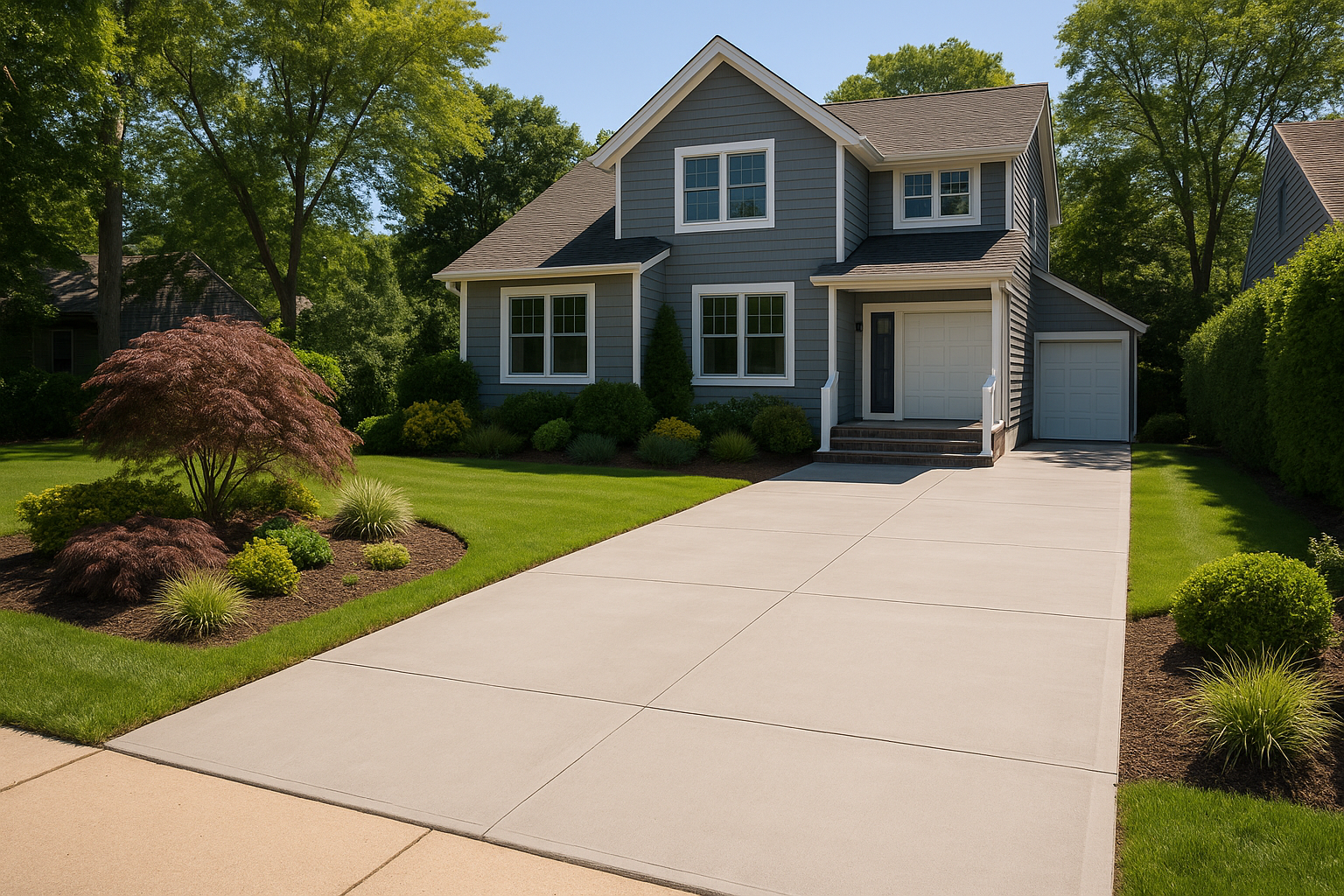
Local Concrete Options in Noyack
Concrete is a strong, versatile material for many outdoor and interior projects, especially when it’s built with the right base preparation and finishing. In Noyack, residents commonly rely on concrete for driveways, patios, walkways, and entry areas—spaces that need to hold up to regular foot traffic and changing weather conditions.
Long Island Mason & Concrete provides hands-on support for projects of different sizes, including new concrete installations and concrete repairs. If you’re not sure whether your surface needs full replacement or targeted repair, a contractor can help evaluate the condition and recommend the most cost-effective path forward.
Common Services Residents Request
- Driveway concrete: Improve curb appeal and create a smooth, stable surface for cars and seasonal use.
- Patios and slabs: Build welcoming outdoor living spaces designed for comfort and durability.
- Walkways and steps: Restore safe access to your home and reduce trip hazards from uneven concrete.
- Concrete repairs: Address cracks, spalling, and other surface issues before they spread.
- Concrete finishing and upgrades: Enhance appearance with careful finishing that matches the look you want.
Why Local Concrete Work Matters
Choosing a contractor who understands local conditions can help your project last longer and perform better. In Noyack, moisture exposure and temperature changes can affect how concrete responds over time. Concrete work that’s planned correctly—starting with grading and base preparation—supports proper drainage and reduces the likelihood of recurring issues.
Long Island Mason & Concrete focuses on getting the foundation right before finishing the surface. That attention to the early steps is often what separates a quick fix from a solution that stays solid through seasons.
What to Expect When You Contact a Concrete Contractor
When you reach out about a driveway, patio, or repair, it helps to be ready with a few details. These can include the general scope (new installation vs. repair), the approximate area, and what you’ve noticed—such as cracking patterns, unevenness, or drainage concerns.
A typical conversation may include:
- Project discussion: What you want to build (or fix) and how you use the space.
- Site evaluation: Reviewing existing conditions and identifying potential concerns.
- Planning and preparation: Confirming the approach, timeline, and what work will be needed to prepare the area.
- Finishing and cleanup: Ensuring the final surface and surrounding area are handled carefully.
Tips to Prepare Your Concrete Request
You can make scheduling and quoting easier by doing a quick walk-through of the area. Note whether there are visible cracks, raised edges, sinking spots, or areas where water tends to collect. If you can, take a few photos from different angles. This helps your contractor understand the situation faster and plan accordingly.
Also consider your end goals: Are you prioritizing smoothness and safety, improving appearance, or preventing ongoing deterioration? Clear priorities usually lead to better recommendations and fewer surprises during the project.
Get Help from Long Island Mason & Concrete
If you’re looking for concrete services in Noyack, Long Island Mason & Concrete is a local option you can contact for guidance on driveways, patios, walkway work, and concrete repairs. Reach out when you’re ready to discuss your project—whether you know exactly what you want or you’d like help deciding the best next step.
Noyack, NY and Your Concrete Project
Noyack is a bayside community where homes and outdoor spaces are part of everyday life. Driveways, patios, and walkways aren’t just features—they’re how residents move around their properties and enjoy time outdoors. Because the area experiences shifting seasons and coastal moisture, concrete surfaces can face stresses that show up as cracks, uneven areas, or surface wear over time.
That’s where concrete services tailored to local needs make a difference. Proper preparation, attention to drainage, and careful finishing help concrete perform well through real-world conditions, from winter transitions to spring and summer use. Whether you’re adding a new patio for gatherings or repairing a walkway that no longer feels safe, the right approach can restore function and improve curb appeal.
In Noyack, homeowners often want results that look good and remain dependable. Long Island Mason & Concrete supports that goal by focusing on workmanship and practical solutions—so your concrete project fits the way you live in the neighborhood and holds up season after season.
Frequently Asked Questions About Concrete in Noyack, NY
What types of concrete services are typically available for homes in the Noyack area?
Concrete contractors commonly handle projects like driveway and walkway installation, patio slabs, concrete steps, sidewalks, and slab repairs. They also assist with concrete leveling or patching when areas settle, crack, or spall. For yards and outdoor features, services may include footings, stoops, and surface restoration. When you contact a contractor, be ready to describe the scope—new installation versus repair—and any existing concrete conditions you’ve noticed.
How do I know whether I need concrete repair, resurfacing, or full replacement?
The right option depends on the type and severity of the damage. Small cracks and minor surface spalling are often suitable for patching or resurfacing, while widespread cracking, movement, or uneven slabs usually point to replacement. Settling can also affect doors, trip hazards, and water pooling, which may require more than a cosmetic fix. A careful evaluation of slab condition, thickness, and whether the underlying base is stable helps determine the best approach.
What causes concrete to crack or heave, especially after rain or freeze-thaw weather?
Concrete cracking and heaving can result from several factors, including shrinkage as the slab cures, inadequate sub-base support, poor drainage, and temperature changes. Freeze-thaw cycles can worsen issues when water gets trapped beneath or around the slab. Repeated moisture exposure can also weaken the base, leading to movement over time. Proper site prep, correct mix and placement, and drainage considerations help reduce cracking and keep the slab performing longer.
How should I prepare the site before a new concrete driveway or patio is installed?
Good preparation helps the project go smoothly. Clear the area of vehicles, planters, and debris so the crew can access the full work zone. Mark any sprinkler heads, electrical lines, or other utilities you know about. Discuss grading and drainage with your contractor so water doesn’t flow toward buildings. Also consider timing—concrete work is easiest when the site can be left undisturbed during curing and finishing.
How long does concrete need to cure, and when can I use the surface?
Curing time depends on the concrete mix, thickness, weather conditions, and the project type. Freshly placed concrete must cure before you can walk on it and before heavier loads are allowed. Surface finishing and sealing (if included) also affect timing. Your contractor should provide a practical schedule for foot traffic and vehicle use based on conditions at the time of pour. Avoid early loading to reduce the risk of cracking or surface damage.