Concrete Services in Point Lookout, NY
If you’re dealing with cracked driveways, settled walkways, or worn concrete around your home, getting the right repair or installation matters—especially in a coastal community where weather can be tough on outdoor surfaces. Long Island Mason & Concrete helps local homeowners and property managers plan concrete work that looks good and holds up to daily use.
Whether you need concrete replacement, masonry-supported steps, or a clean, durable finish for a patio or walkway, starting with an on-site conversation is the first step. The team can discuss what’s causing the issue, what needs to be repaired versus rebuilt, and how to approach the project so the results blend with your property. From small fixes to larger updates, you’ll get practical guidance for choosing materials, managing timelines, and preparing for the work.
Use this page to find out how to access local concrete services near Point Lookout, NY—and what to expect when you contact Long Island Mason & Concrete. You’ll also find helpful tips for getting your project ready so the estimate and planning process goes smoothly.
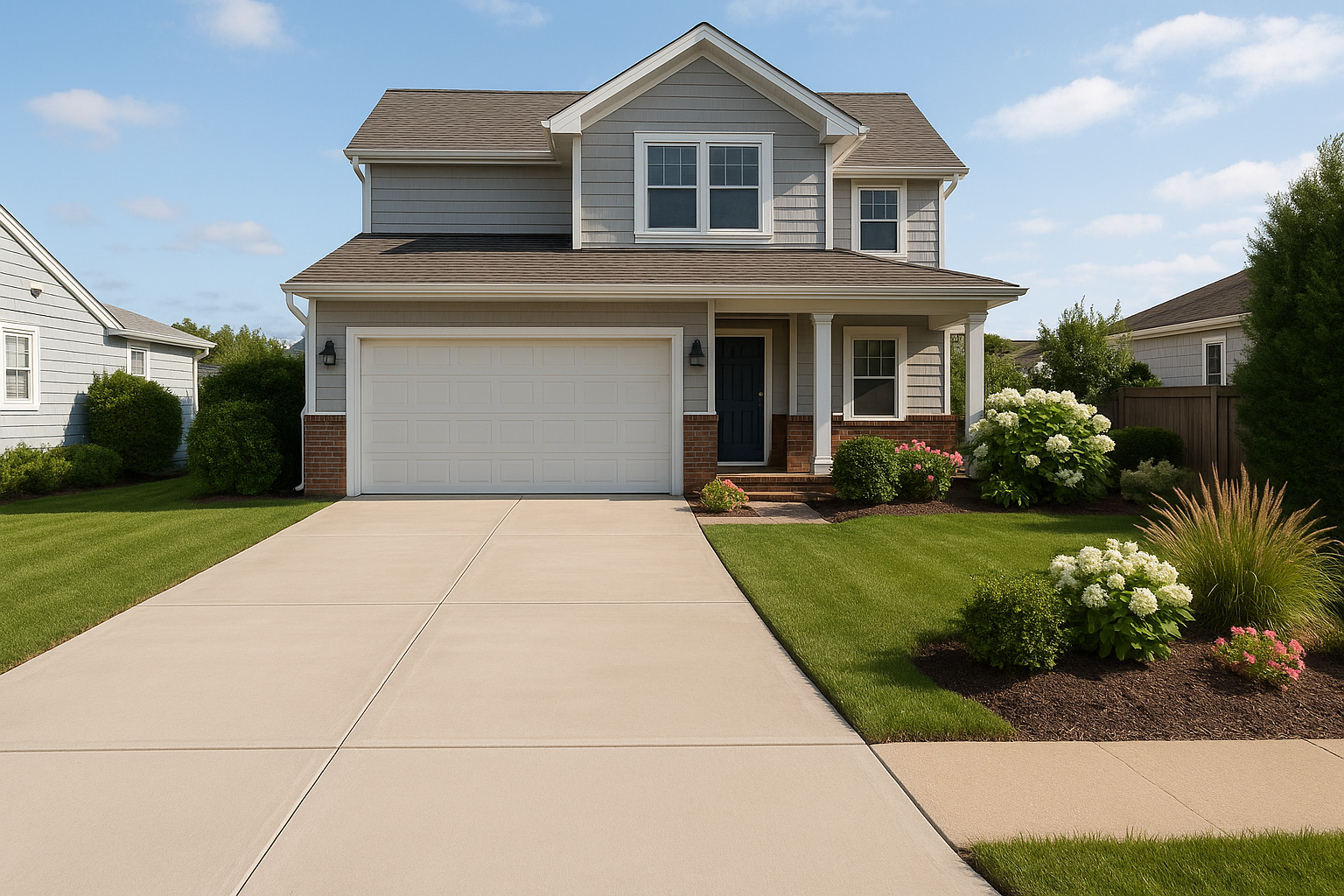
Local Concrete Options for Point Lookout Homeowners
Concrete is one of the most visible (and most used) parts of a property. In Point Lookout, outdoor surfaces regularly face moisture, temperature swings, and heavy foot or vehicle traffic. That’s why residents often reach out for concrete services that address both appearance and performance.
Long Island Mason & Concrete offers hands-on concrete and masonry solutions designed for real-world conditions. The goal is to help you restore safe, attractive surfaces—whether the project is a targeted repair or a full upgrade.
Common Projects Residents Request
- Concrete repairs for cracks, spalling, uneven slabs, and surface wear
- Driveway and walkway improvements to improve curb appeal and reduce trip hazards
- Patio and slab work for outdoor living spaces and entertaining areas
- Masonry-supported concrete projects where stonework and concrete work together for stronger results
- Surface restoration when you want a refreshed look without unnecessary disruption
How to Access Concrete Services Locally
Getting concrete help in Point Lookout usually starts with a simple, no-pressure conversation. Contact Long Island Mason & Concrete to share what you’re seeing on-site—such as cracking patterns, drainage concerns, or areas that feel uneven. Even a few clear details can help the team understand the scope before the visit.
Next, an on-site assessment is typically recommended so the contractor can check the condition of the slab, the surrounding grade, and any factors that may affect the repair or new installation. From there, you can review options based on your goals, timeline, and the level of work needed to get lasting results.
Benefits of Choosing a Local, Experienced Team
Working with a contractor that understands Long Island conditions can make a noticeable difference in how a project performs over time. Concrete doesn’t exist in isolation—it’s connected to drainage, ground conditions, and how the surface is used daily.
- Practical guidance: You’ll be able to discuss what repairs make sense now versus what may require a larger rebuild.
- Better long-term outcomes: Addressing the real cause of deterioration helps reduce recurring problems.
- Safety improvements: Repairing uneven or damaged concrete can help prevent trips and improve walkability.
- Curb appeal you can feel: Clean edges, consistent finishes, and solid workmanship can restore the look of your home.
Preparing for Your Concrete Estimate
To make the process smoother, gather a few helpful items before you reach out:
- Take photos of the affected areas from a couple of angles.
- Note when the problem started and whether it’s getting worse.
- Let the team know about any drainage issues (standing water, wet spots, or runoff).
- Measure or roughly estimate the length/width of the area that needs attention.
Being ready with this information helps you get clearer recommendations and a more efficient planning process.
Taking the Next Step
If you live in Point Lookout, NY, and your concrete could use repair or an upgrade, Long Island Mason & Concrete is here to help. From initial discussion to practical recommendations, you’ll have a partner focused on making sure your concrete work looks right and supports everyday use.
Point Lookout, NY Concrete Needs—Built for Coastal Life
Point Lookout is a coastal community where outdoor surfaces take on real daily exposure—sun, rain, and temperature changes that can stress concrete over time. Driveways, walkways, patios, and steps are essential for getting around comfortably, especially during busy seasons when homes are used more often.
Local concrete work fits well here because residents typically want solutions that improve both function and appearance. Repairing cracks and uneven areas can reduce trip hazards and help surfaces look cared for. When the damage is more extensive, a thoughtful replacement or resurfacing approach can restore a clean, dependable finish.
Long Island Mason & Concrete supports homeowners and property owners with practical, on-site guidance for concrete projects around Point Lookout. Whether you’re addressing a specific issue or planning a broader improvement, the process starts with understanding what’s happening at your property and recommending the right next steps for durable results.
Frequently Asked Questions About Concrete in Point Lookout, NY
What types of concrete services do you handle for homeowners in Point Lookout and nearby areas?
Concrete contractors typically assist with a range of residential needs, such as driveways, walkways, patios, steps, garage slabs, concrete repair, and resurfacing or patching. Many customers also need decorative finishes or concrete sealing to help protect against moisture and normal wear. If you’re unsure what’s best for your project, start by describing the area, its condition, and your goals (repair vs. replacement, appearance, and durability).
How do I know whether I need concrete repair or full replacement?
Concrete can often be repaired when the damage is limited—such as small cracks, spalling (flaking), or localized surface deterioration. Replacement is more likely when slabs are uneven, have widespread cracking, have persistent moisture issues, or sections have failed structurally. A contractor will typically look at crack size and pattern, the slab’s levelness, edges and joints, and whether any repairs would simply be temporary. Clear photos and notes help with an accurate recommendation.
What causes concrete cracking, and how can it be prevented?
Cracking is commonly caused by shrinkage as concrete cures, temperature swings, inadequate jointing, poor drainage, or improper sub-base preparation. In some cases, freeze-thaw cycles can worsen existing defects, especially where water collects near slabs. Prevention usually involves correct mix design, proper base and compaction, correct thickness, proper joint placement, and sealing when appropriate for the surface use. Ask about the plan for drainage and joints before work begins.
Can you pour concrete over existing concrete, or is removal usually required?
In some situations, an overlay or resurfacing system may work, but pouring new concrete directly over existing slabs is not always ideal. The existing surface can hold moisture, be uneven, or have failing sections that will transfer problems to the new work. Removal or partial demo may be recommended if there are significant cracks, scaling, or voids. The right approach depends on the existing slab condition, thickness, and whether proper preparation is possible.
What should I expect during a concrete installation or replacement project?
A typical process includes assessing the area, confirming measurements and grade, preparing the base (excavation, compaction, and drainage considerations), and installing forms and reinforcing if needed. After the pour, concrete finishing is completed for the desired texture and appearance. Curing time matters—walkability and heavy use depend on the concrete mix and environmental conditions. A responsible crew will also discuss timing for sealing, joint care, and how to protect the work while it cures.