Concrete Services in Water Mill, NY
Long Island Mason & Concrete helps homeowners and property managers navigate the process with a focus on craftsmanship, clear communication, and practical results that fit the way people use their spaces.
Concrete work is detail-driven: proper site preparation, correct reinforcement, accurate grading, and a finished surface that looks good and performs well over time. Residents in Water Mill often want curb appeal and durability, especially for exterior areas exposed to seasonal weather changes. From minor patching to full-scale installs, working locally means faster access to guidance and scheduling, and it can also make it easier to coordinate around your property and timelines.
On this page, you’ll find straightforward ways to access concrete services locally, what to expect during planning and installation, and how to prepare for your consultation. If you’re ready to improve your home’s exterior with long-lasting concrete, Long Island Mason & Concrete is here to help you move forward with confidence.
How to Access Concrete Services Locally in Water Mill
Getting started with a concrete project is usually simpler than most people expect. The first step is deciding what you need—new installation, repair, or an upgrade—then discussing your goals with a contractor who can review the site and recommend the right approach.
Long Island Mason & Concrete can help you think through the scope and practical details, including what work is needed for a clean, stable base, how to manage drainage and grading around the area, and which finish options work best for your property.
Common Concrete Projects for Water Mill Homes
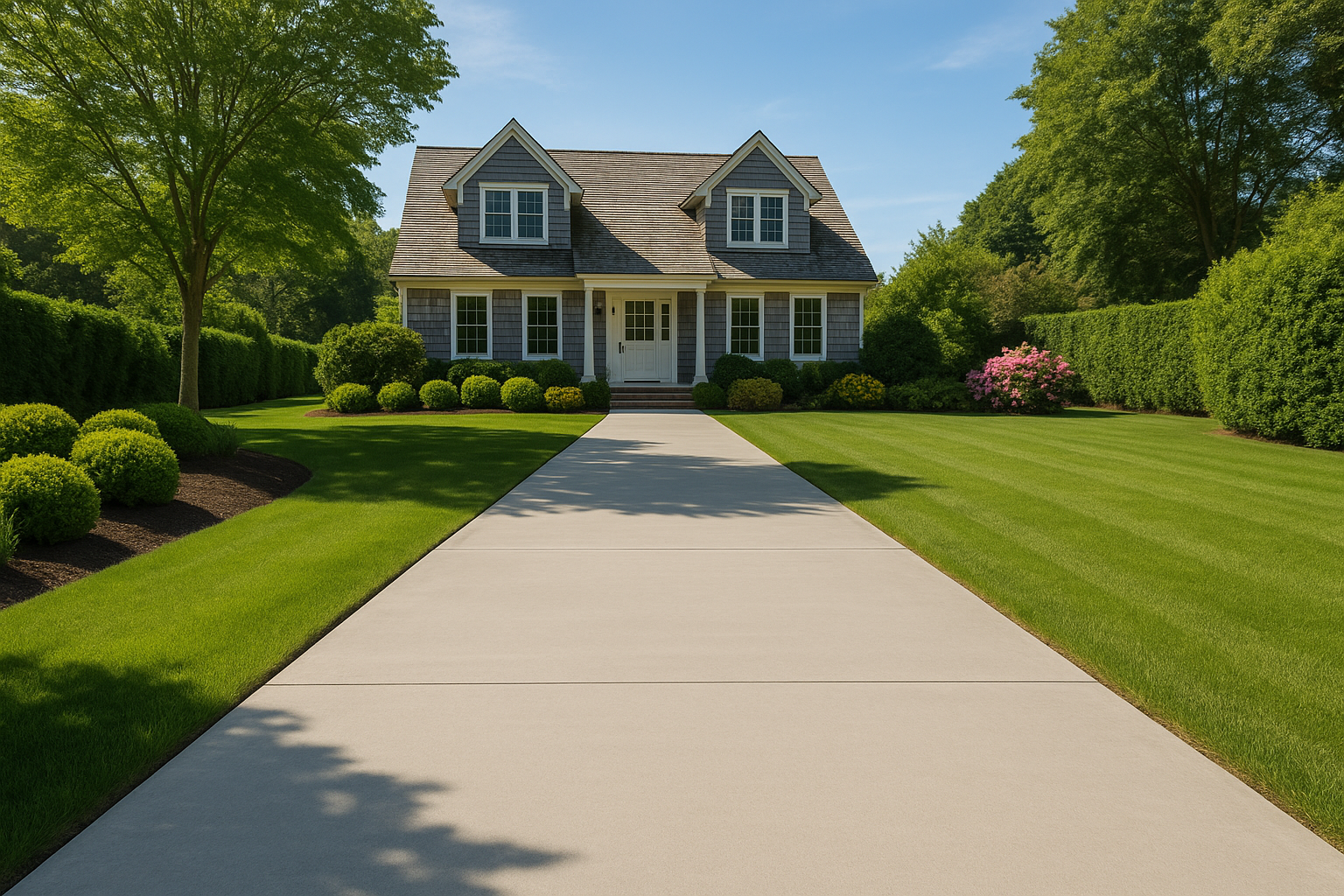
Concrete is a versatile material, and local homeowners often use it for both functional and aesthetic improvements. Consider these popular project types:
- Driveways and driveway extensions to improve access and curb appeal
- Sidewalks and walkways for safe, attractive routes to entrances
- Patios and outdoor living slabs that support furniture and foot traffic
- Steps, landings, and entry surfaces for a finished look and better footing
- Concrete repair and patching for cracks, spalling, or uneven sections
If you’re unsure which category your project fits, a site review can clarify the next best step—especially when repairs may prevent larger issues later.
What to Expect During Planning and Installation
A reliable concrete contractor will take the time to understand your goals and then translate them into a plan. Typically, the process includes:
- Site evaluation: assessing the existing surface, soil conditions, drainage patterns, and any damage
- Design and finish options: discussing appearance, texture, and how the finished concrete will blend with your property
- Preparation and prep work: confirming the right base and subgrade work for stability and longevity
- Installation and finishing: placing concrete carefully, finishing to your preference, and addressing edges and transitions
- Cure and protection: making sure the concrete sets properly and advising on reasonable care
Because every property is different, the “right” solution is based on what’s under the surface—not just what you see at the top.
Why Work With Long Island Mason & Concrete
Concrete projects go better when you have a team that values the details and communicates clearly. Long Island Mason & Concrete works with homeowners who want durable, well-finished results and a dependable process from start to finish.
Benefits you can look for in local concrete services include:
- Local understanding: familiarity with the kinds of exterior conditions homeowners deal with
- Focused project planning: clarity on scope, preparation needs, and expected outcomes
- Careful finishing: attention to surface details that impact both look and performance
- Repair-minded thinking: helping you address problems early rather than waiting for bigger damage
Tips to Prepare for Your Concrete Consultation
Before you reach out, take a few minutes to make your project easier to scope:
- Note what needs attention (visible cracks, uneven areas, trip hazards, or a surface that’s worn)
- Consider how you use the space daily, so the finish and layout match your routine
- Bring any relevant details you have about past work or changes to drainage
- If possible, take a few photos from different angles to share during your initial discussion
Once your needs are clear, you’ll be in a better position to plan the timing and choose the right next steps for your Water Mill property.
Concrete That Fits Water Mill’s Style and Everyday Needs
Water Mill is known for its welcoming residential character and outdoor-focused lifestyle, which is why exterior concrete matters so much. Driveways, walkways, patios, and entryways aren’t just “add-ons”—they’re how you move around your property and how it presents to guests and neighbors.
Local weather and seasonal transitions can be hard on surfaces over time, making durable installation and thoughtful repair especially important. A concrete team that focuses on the basics—proper preparation, accurate grading, and quality finishing—helps ensure your project looks good now and holds up with everyday use.
For residents in Water Mill, choosing a contractor like Long Island Mason & Concrete can make the process more straightforward. You get practical guidance for new installs and for repairs that address problems early, helping you protect your investment and keep outdoor areas safe, attractive, and ready for the way you live in the area.
Frequently Asked Questions About Concrete in Water Mill, NY
What types of concrete services do you offer for residential projects in Water Mill?
Concrete work typically includes new flatwork like driveways, walkways, patios, and slabs, as well as repairs for cracked or uneven concrete. Many homeowners also need concrete resurfacing or patching to restore appearance and stability. If you’re planning a concrete project, start by describing the existing condition or desired outcome, including the area size and any drainage or slope concerns. That helps determine whether a repair, resurfacing, or full replacement is the right approach.
How do you determine whether cracked concrete should be repaired or replaced?
Cracks don’t always mean full replacement. Professionals usually assess crack width, whether it’s spreading, and if there are signs of settlement—like rocking slabs, major trip hazards, or repeated cracking along the same lines. They may also check for spalling (surface flaking), water infiltration, and the condition of the base. Smaller, stable cracks are often candidates for targeted repair, while widespread deterioration or significant movement may require replacement for long-term performance.
Can you help with concrete leveling or fixing uneven sidewalks and driveways?
Yes—uneven concrete is commonly addressed through leveling and grinding or through more involved repairs depending on the cause. If the slab has settled due to base issues, simple resurfacing may not last. A careful evaluation looks at where the height differences are greatest and whether the concrete is separated from the underlying soil. The goal is to restore a safer, more stable surface while addressing the underlying problem where possible.
What should I expect during concrete installation, from prep to finishing?
A quality pour starts with proper site prep: removing unsuitable material, ensuring correct grading for drainage, and compacting the base. Next comes forming, reinforcing if needed, and placing concrete with attention to thickness and leveling. Finishing affects durability and appearance—edges, texture, and control joints are planned to manage curing stresses and help reduce cracking. Finally, curing and protection are important so the surface hardens evenly. Ask about how they’ll handle cleanup and joint planning.
How do I maintain concrete after it’s installed or repaired to prevent future damage?
Maintenance focuses on moisture control and surface protection. Keep an eye on drainage so water doesn’t pool near slabs, especially along edges. Avoid using harsh de-icing methods that can accelerate surface wear; use appropriate products and follow label directions. Regular cleaning helps prevent staining and buildup, and addressing small chips or early cracks quickly can prevent expansion. If your project includes joints, periodic inspection is useful, since joint seal maintenance can limit water intrusion and reduce deterioration over time.