Concrete Services Near Melville, NY
When you need concrete work in Melville, NY, it’s helpful to choose a local company that understands the day-to-day demands of Long Island properties—everything from heavy vehicle traffic to changing weather. Long Island Mason & Concrete provides dependable concrete services for homeowners and commercial property managers who want work done right the first time.
From concrete installation to repair and restoration, the goal is always the same: improve safety, appearance, and durability. Whether you’re planning a new walkway, upgrading a driveway, or addressing a problem area that’s become uneven or damaged, getting a professional assessment can help you move forward with confidence. You shouldn’t have to guess whether a surface needs patching, resurfacing, or a more complete replacement. A clear plan and quality materials matter, especially when you want concrete that performs well season after season.
In this guide, you’ll find practical ways to access concrete services locally—what to prepare before you reach out, what services are commonly requested in Melville, and how to request a quote.
Local Concrete Services for Homes and Businesses
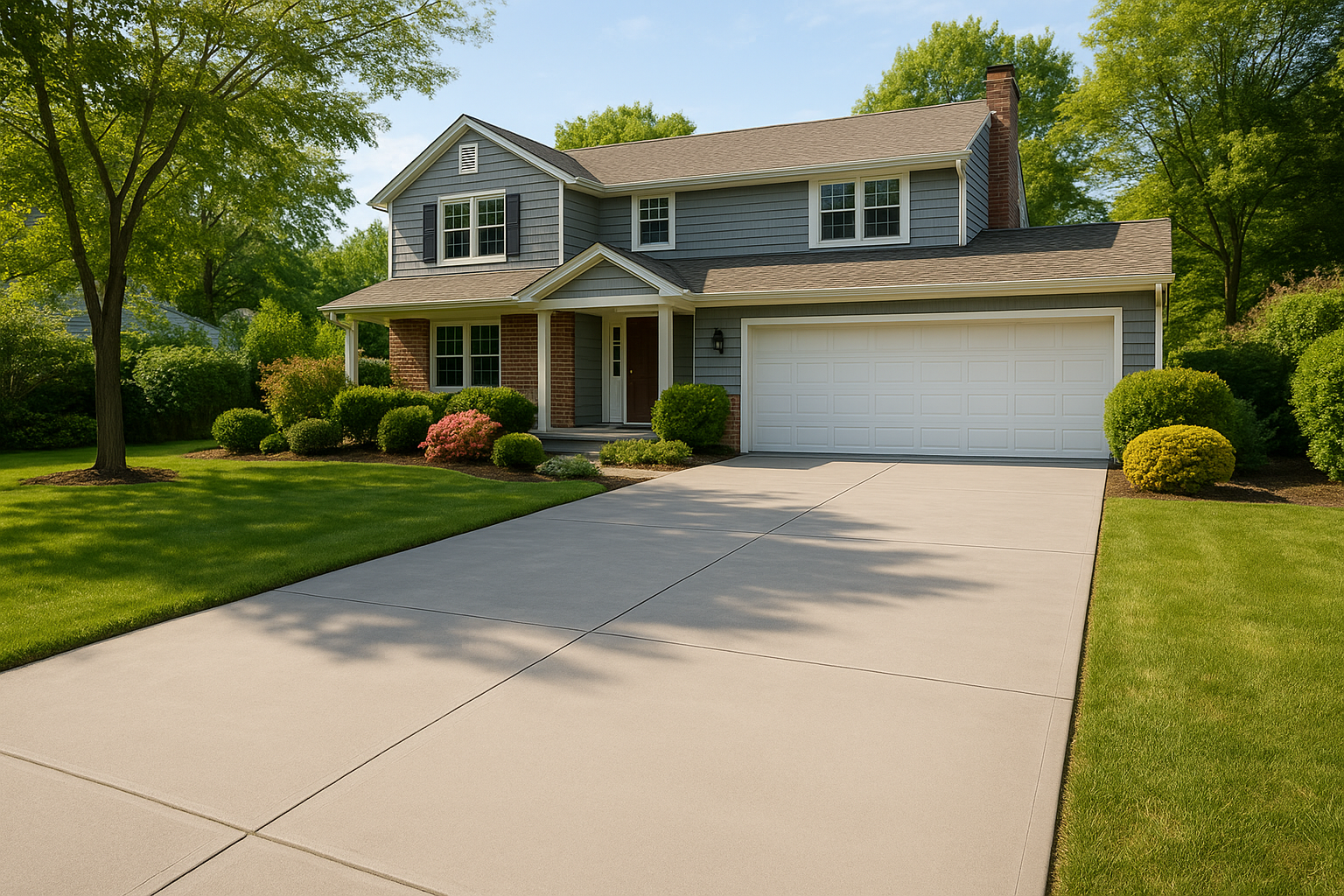
Concrete is one of the most practical choices for Long Island properties because it’s built for everyday use. In Melville, that often means concrete surfaces that handle temperature swings, seasonal moisture, and regular foot and vehicle traffic. Long Island Mason & Concrete works with residents and local businesses to deliver strong results for both functional and decorative concrete needs.
When you contact a contractor, it’s a good idea to share what you’re trying to improve—appearance, safety, drainage, or overall durability. That helps ensure the project approach matches the condition of the concrete and your goals.
Common Concrete Projects in Melville
-
Driveway and walkway installation: Create a clean, finished look while improving usability and curb appeal.
-
Concrete repair: Address cracks, spalling, scaling, and other surface issues before they worsen.
-
Concrete replacement: For areas where damage or settlement affects performance, replacement may be the best long-term solution.
-
Concrete restoration and resurfacing: Refresh worn surfaces and help bring back a more even, polished finish.
-
Concrete work for exterior features: Support upgrades such as slabs and exterior improvements that need a solid base.
How to Get Concrete Service Locally
Getting started is usually straightforward. Begin by reaching out to Long Island Mason & Concrete to discuss your project. Having a few details ready can help the process move efficiently:
-
What you need done: Installation, repair, replacement, or restoration.
-
Where the work is located: Driveway, walkway, patio area, or another slab location.
-
What you’re noticing: Cracks, uneven sections, trip hazards, or areas that look worn or deteriorated.
-
Desired outcome: A specific style, a more uniform surface, improved safety, or longer-lasting performance.
In many cases, a contractor will evaluate the existing concrete conditions and recommend an approach that aligns with how the concrete is currently performing. That assessment can help you avoid unnecessary work while still targeting the real cause of the problem.
Why Professional Concrete Matters
Concrete seems simple on the surface, but the difference between average and long-lasting results often comes down to preparation, mix selection, finishing, and proper curing. A professional team also takes care to consider the surrounding conditions—such as how water may collect or how the slab will be used—so the final result is durable and more resistant to repeat issues.
For residents and businesses in Melville, that means concrete projects that look good and hold up to real use. If you’re dealing with damage, prompt attention can help protect the area from further deterioration and reduce the risk of safety concerns.
Request a Quote and Plan Your Project
Ready to take the next step? Contact Long Island Mason & Concrete to discuss your concrete needs in Melville, NY. A clear conversation about your goals, timeline, and the condition of your existing surfaces can help you choose the right solution—whether you’re starting fresh with new concrete or restoring what you already have.
About Melville, NY and Your Concrete Needs
Melville is a busy Long Island community known for its strong mix of business activity and residential neighborhoods. Like many areas on Long Island, properties here see daily wear—from regular vehicle use on driveways to seasonal changes that can affect outdoor surfaces. That makes concrete a practical choice, but it also means surfaces need to be installed or maintained with care.
For homeowners and commercial property managers in Melville, concrete projects often focus on both function and curb appeal. Even small issues like minor cracking or uneven sections can become bigger problems over time, especially when water and freeze-thaw cycles contribute to deterioration. Addressing concrete concerns early can help preserve safety and protect surrounding areas.
Long Island Mason & Concrete is a local option for residents who want professional guidance on repairs, resurfacing, or replacement. Whether you’re upgrading a walkway for safer access, improving the look of a driveway, or restoring worn concrete, working with a contractor can help you plan confidently and choose the right approach for Melville’s real-world conditions.
Frequently Asked Questions About Concrete in Melville, NY
How do I choose the right concrete mix for my driveway or patio in Melville, NY?
Choosing the right mix depends on the concrete application and conditions like freeze-thaw exposure, expected traffic or foot traffic, and how the surface will be finished. For driveways, contractors often consider higher strength and durability requirements, along with a proper water-cement ratio and appropriate aggregate. For patios, workability and finish quality may matter more. A good approach is to match the mix to your project use and discuss the desired finish and performance needs during planning.
What’s the difference between stamped, broom-finished, and plain concrete?
Plain concrete is finished with straight edges and often uses a simple trowel finish depending on the look you want. Broom-finished concrete adds traction and a textured surface, which can help reduce slipping—often a practical choice for walkways and drive areas. Stamped concrete uses molds to create patterns like stone or brick while still being concrete. The best choice depends on your design goals, desired slip resistance, and how much texture maintenance you’re comfortable with.
How long does concrete installation take and when can I use it?
The timeline varies with thickness, weather conditions, and the finishing method, but concrete typically goes through an initial setting period followed by curing. Curing helps the concrete gain strength and durability, so avoiding premature use is important. Your contractor should outline a schedule for form removal, finishing steps, and when the surface can be walked on or driven over. In general, planning around curing time helps prevent surface damage like cracking or scaling.
What causes cracks in new concrete, and how can they be reduced?
Concrete can develop cracks for several reasons, including normal shrinkage as it cures, temperature swings, and insufficient jointing or reinforcement for the intended loads. Proper subgrade preparation and compaction also play a major role in minimizing uneven settling. Adding or planning control joints at appropriate spacing helps manage where cracking occurs. Using the correct mix, placing and curing concrete properly, and following recommended curing practices can reduce the likelihood and severity of cracking.
Can existing concrete be repaired instead of replaced?
In many cases, yes. Concrete repair depends on the cause and extent of the damage. Surface issues like minor spalling or small areas of scaling may be addressed with patching and surface preparation. If there’s widespread cracking, significant settlement, or deep spalls that undermine the slab, replacement may be more cost-effective and longer-lasting. A thorough inspection typically identifies whether the slab is stable and whether repairs will hold up under the expected traffic and weather conditions.