
Concrete Services Near Oakdale, NY
If you’re looking for concrete work in Oakdale, NY, you want a contractor that shows up prepared and communicates clearly. Long Island Mason & Concrete helps local homeowners and businesses plan their projects the right way—from the first conversation through cleanup—so you can feel confident about the finished results.
Concrete is everywhere on Long Island, from driveways and walkways to patios and slabs. But weather, soil conditions, and everyday wear can make choosing the right approach especially important. Whether you’re starting fresh or repairing something that’s settled, cracked, or worn, the goal is the same: stable, attractive concrete that fits how you live.
Using local knowledge and practical job-site habits, Long Island Mason & Concrete can help you move from “thinking about it” to “ready to schedule.” You’ll get guidance on what to consider before work begins, how to protect surrounding areas, and what to expect during the process. If you need concrete services near Oakdale, reach out and get a clear path forward—without guesswork.
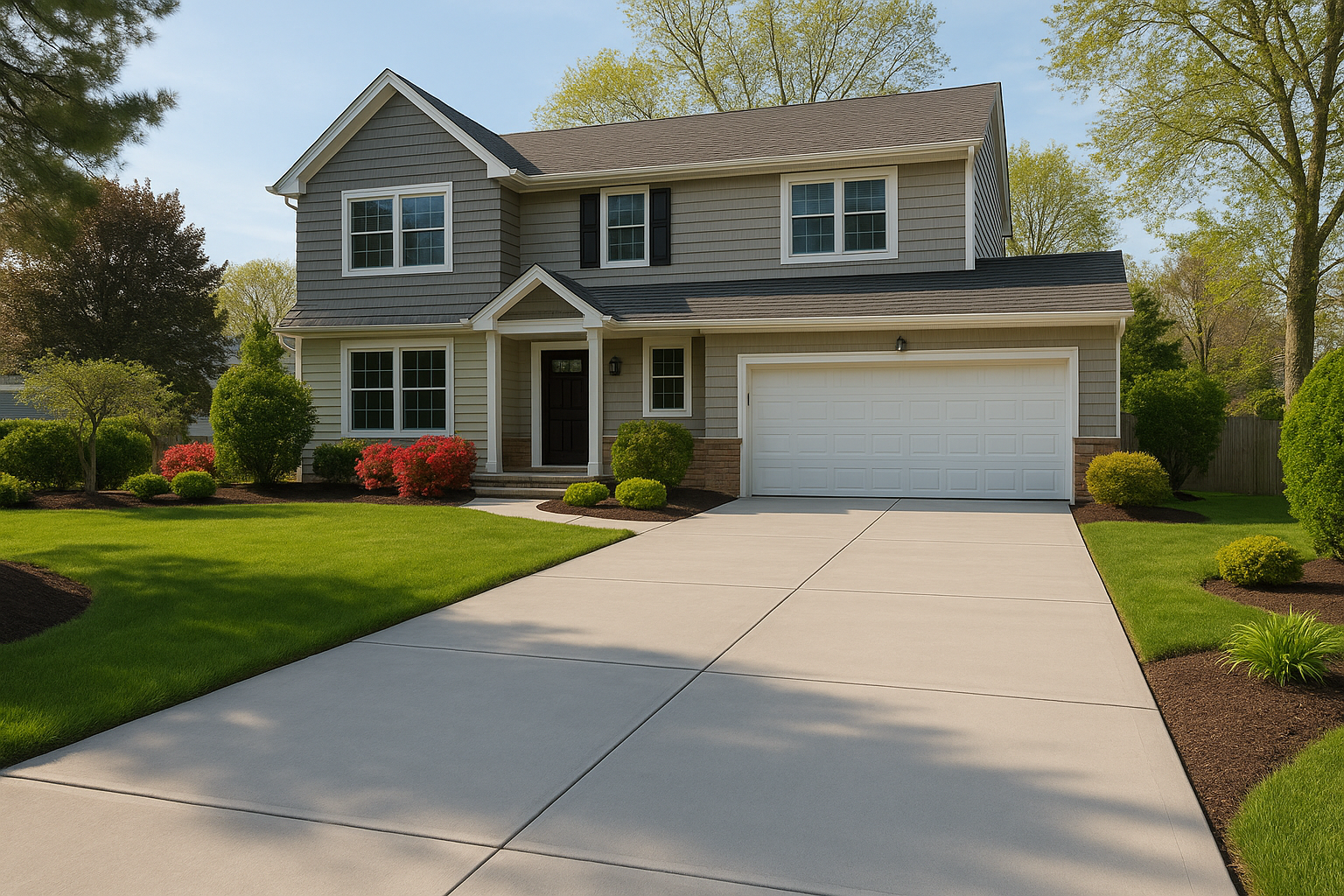
Local Concrete Projects We Help With in Oakdale
Concrete projects often start with a real need—improving curb appeal, creating a more usable outdoor space, or addressing concrete that no longer performs the way it should. Long Island Mason & Concrete works with homeowners and property owners in and around Oakdale to support a range of concrete applications.
-
Driveways: Durable, functional surfaces designed for daily use and local conditions.
-
Walkways and paths: Safe, walkable routes that complement landscaping and building entrances.
-
Patios and outdoor slabs: Concrete areas for relaxing, dining, and outdoor entertaining.
-
Concrete repair: Targeted fixes for cracks, sinking, spalling, and other common wear issues.
-
Custom concrete work: Requests that need a careful plan and attention to detail.
Why Choose Long Island Mason & Concrete for Your Oakdale Job?
When you’re hiring for concrete, you need more than a crew with tools—you need a team that understands how to handle the job on-site, protect nearby areas, and keep the project moving. Long Island Mason & Concrete is built around practical craftsmanship and customer-focused communication.
Here are a few ways residents typically benefit when they work with a local concrete contractor:
-
Clear project planning: Concrete work is easier when you’ve discussed scope, access, and expectations upfront.
-
Better decisions for the surface: Different uses call for different finishes, thickness considerations, and preparation steps.
-
Attention to site protection: Job sites involve surrounding landscaping, pathways, and property boundaries—care matters.
-
Reliable follow-through: From scheduling through final walkthrough, you should know what’s happening and when.
How to Get Concrete Service Locally (Without the Guesswork)
If you’re in Oakdale and want concrete work done, start by preparing a few details so your first conversation can be productive. This helps you get a more accurate plan for next steps.
-
Know what you want to improve: Driveway, patio, walkway, slab, or repairs—share what’s currently there and what you’d like to change.
-
Take note of the issue: If you’re repairing, describe what you’ve noticed (such as cracking, sinking, or uneven areas).
-
Consider how you use the space: Think about foot traffic, vehicles, drainage concerns, and seasonal use.
-
Ask about timing and access: Concrete work depends on site access and scheduling—confirm what works for your property.
Once you reach out to Long Island Mason & Concrete, you can discuss your project goals and get clear guidance on what’s involved. A reputable contractor will help you understand the process, what to expect during work, and how to care for your new or repaired concrete afterward.
Common Signs You May Need Concrete Repair
Not every concrete problem requires a full replacement, but it does deserve attention. If you notice any of the following around your Oakdale property, it’s a good time to explore repair options:
-
Cracks that are growing or spreading
-
Uneven sections or areas that feel unstable
-
Spalling (flaking or chipping) or surface deterioration
-
Edges that appear to lift or settle
Addressing issues early can help protect surrounding materials and reduce the chance of further damage over time.
Ready to Schedule Concrete Work Near Oakdale?
Concrete should perform well and look right for years, not just days. If you’re ready to improve your driveway, patio, walkway, or need repairs, Long Island Mason & Concrete is here to help. Contact the team to talk through your project and take the next step toward a solid, dependable result.
About Oakdale, NY & Why Concrete Fits Here
Oakdale is a welcoming community on Long Island where homes and everyday living often connect closely to outdoor spaces. Driveways, walkways, patios, and entry areas aren’t just features—they’re part of how neighbors move around, park, and enjoy the outdoors year-round.
Because Oakdale properties see normal seasonal changes, concrete can take on wear over time. The good news is that many needs can be addressed with the right approach—whether you’re building a new surface for daily use or repairing areas that have cracked, settled, or simply aged. Long Island Mason & Concrete understands the importance of getting preparation, finishing, and job-site care right so your concrete can hold up to real-world use.
If you’re looking for concrete services near Oakdale, choosing a local contractor makes scheduling and site logistics easier. It also helps ensure the work fits your property’s layout and priorities, from improving curb appeal to restoring safe, dependable surfaces.
Frequently Asked Questions About Concrete in Oakdale, NY
What types of concrete services are available for homeowners and businesses?
In Oakdale and surrounding areas, concrete contractors commonly handle a range of projects such as new concrete slabs, patios, sidewalks, driveways, steps, and concrete repairs. Many also assist with stamped or decorative concrete, leveling or resurfacing when the base is still solid, and patching areas where concrete has cracked or chipped. If you’re unsure what fits your project, a contractor can evaluate existing conditions and recommend the most practical option based on use and wear.
How do I know whether to repair concrete or replace it?
Concrete doesn’t always need full replacement. Contractors typically assess how deep cracks go, whether slabs are lifting or settling, and if there’s spalling, deterioration, or ongoing moisture intrusion. Minor surface cracking and small chips are often repairable with patching and proper surface prep. If you’re dealing with significant heaving, widespread cracking, or repeated repairs that don’t hold, replacement may be the better long-term solution. The goal is stability and durability, not just appearance.
What’s involved in concrete driveway installation from start to finish?
A solid driveway starts with preparation. After site evaluation, the crew removes existing material as needed, evaluates subgrade stability, and prepares a proper base to support the slab. Reinforcement and proper joint placement are considered to manage movement. Forms are set, concrete is placed and finished for the right texture and drainage, and joints are completed. After curing, the surface is protected so it can reach strength while minimizing early damage.
How should I care for a newly poured concrete slab?
After pouring, curing is critical. Most projects require keeping foot and vehicle traffic off the surface during the early curing period, preventing rapid temperature changes, and avoiding contact with standing water or de-icing chemicals too soon. You’ll also want to keep the area clean and free of debris while it cures. Once cured, regular cleaning helps prevent staining, and applying a suitable sealant may help reduce moisture penetration and surface wear, depending on the concrete type.
Why do concrete cracks happen, and can they be prevented?
Cracking is common in concrete because it naturally expands and contracts with temperature and moisture, and it can settle slightly as the ground changes. Better prevention starts with site preparation—adequate base support and proper drainage reduce movement. Joint design helps control where cracking occurs, and reinforcement can improve performance. Using correct mix and finishing practices also matters. Even with good work, some cracking can still occur, so addressing small issues early can prevent them from worsening.