Concrete Services Near Shinnecock Hills, NY
When you’re planning a driveway, walkway, patio, or foundation project in Shinnecock Hills, you want concrete work that looks great and holds up season after season. The local mix of coastal weather, changing temperatures, and heavy seasonal use means surfaces should be built with proper preparation, reinforced where needed, and finished for long-term durability.
Long Island Mason & Concrete helps homeowners and property managers connect with concrete services close to home. If you’re replacing sunken slabs, resurfacing worn concrete, or building new outdoor spaces for gatherings, working with a team experienced on Long Island can make the process smoother—from the first discussion about your goals to a finished result that’s ready for everyday life.
Whether your project is residential or commercial, you’ll get practical guidance on what concrete solution fits your site conditions and how to plan for timelines and site access. Shinnecock Hills residents often need workmanship they can count on, with clean jobsite practices and attention to details like grading, edges, and finish texture.
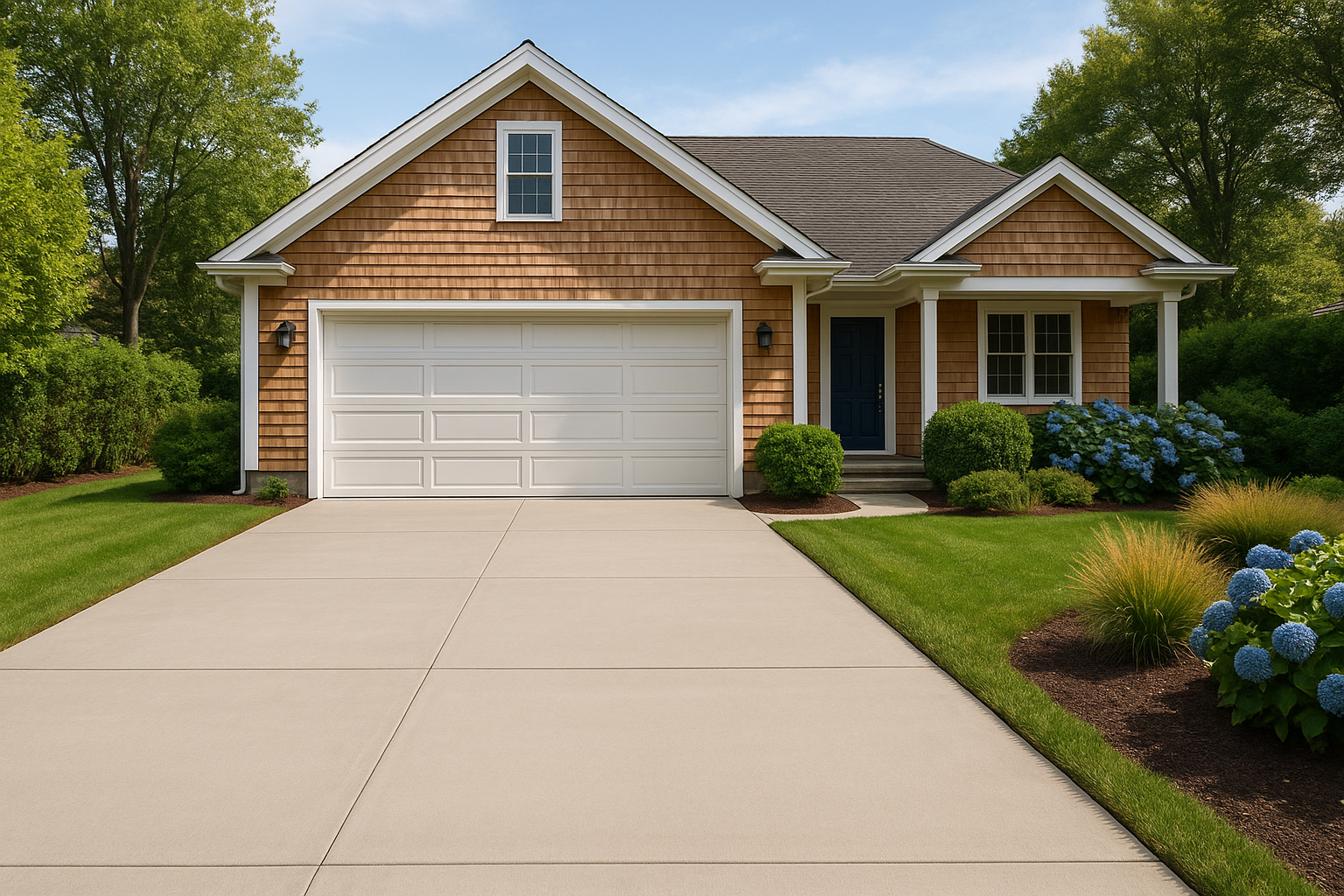
Concrete Services for Shinnecock Hills Properties
Shinnecock Hills is known for its coastal character and outdoor lifestyle. Concrete plays a big role in keeping properties functional and attractive—especially where foot traffic, vehicles, and weather exposure are part of daily life. Long Island Mason & Concrete focuses on delivering concrete solutions designed for real-world use in the area, whether you’re upgrading an entryway or improving a larger outdoor layout.
Common concrete services include:
- Driveways: Repairs and replacements for cracked, uneven, or deteriorating slabs.
- Walkways & stoops: Durable pathways that support safe access to your home or building.
- Patios & outdoor living surfaces: Smooth, well-finished areas for relaxing and entertaining.
- Foundations & structural concrete: Work that prioritizes stability and proper placement.
- Concrete repair: Patch and replacement options to restore appearance and prevent further damage.
- Slab leveling & related improvements: Options for addressing trip hazards caused by settled or shifted concrete.
Why Local Concrete Work Matters Here
Concrete success starts before any pour. For Shinnecock Hills, site conditions and weather cycles can be demanding, so a strong process matters. A local contractor understands how to plan around typical seasonal impacts—helping reduce the likelihood of premature cracking, uneven settling, and finish issues.
Long Island Mason & Concrete can help you think through key considerations such as:
- Site prep and base preparation: Proper support helps concrete last and stay level.
- Drainage-aware layout: Thoughtful grading can reduce water-related problems.
- Reinforcement where appropriate: Supporting stress points for a more dependable finish.
- Finishing and curing: The right texture and curing timeline can improve surface performance.
- Repair decisions: Knowing when resurfacing, patching, or full replacement makes the most sense.
How to Get Started (The Local Way)
Getting concrete access in Shinnecock Hills is straightforward when you begin with the right questions. Start by identifying what you want to improve—curb appeal, safety, or function—and note any problem areas (cracks, uneven sections, water pooling, or damage at edges).
Next, contact Long Island Mason & Concrete to discuss your project. A professional conversation typically covers:
- Your project goals and where the concrete will be installed or repaired
- Any existing issues you’ve noticed and how long they’ve been present
- Site conditions that may affect prep, access, and finish requirements
- Practical scheduling so you can plan around your home or property needs
From there, you can move forward with a plan that fits your timeline and expectations—aiming for workmanship that looks sharp and performs well for years.
Benefits of Choosing Long Island Mason & Concrete
Residents in Shinnecock Hills deserve concrete services that are dependable, clear, and focused on quality. Long Island Mason & Concrete brings local experience to each job, emphasizing careful preparation, straightforward communication, and finishing details that help your concrete blend with your property while holding up under everyday use.
If you’re ready to refresh a driveway, rebuild a walkway, or address concrete repairs, reaching out is the fastest path to a workable solution tailored to your site.
Shinnecock Hills Concrete Needs, Locally Served
Shinnecock Hills, NY is a community where outdoor spaces and home access matter. Concrete often forms the backbone of driveways, walkways, patios, and other surfaces that see frequent use—sometimes under tough conditions like changing temperatures and coastal exposure. That’s why residents look for workmanship that’s built on careful prep and quality finishing.
Concrete projects can be both practical and personal: you want surfaces that are safe to walk on, easy to maintain, and attractive from the street. When issues like cracking, uneven slabs, or worn finishes show up, addressing them promptly can help prevent bigger problems later.
Long Island Mason & Concrete is positioned to serve local homeowners and property needs with a process designed around what matters on Long Island—proper foundation and base preparation, attention to drainage and grading, and finishes that suit real daily use. If you’re in Shinnecock Hills and planning new concrete work or repairs, working with a contractor who understands local conditions can help you move forward with confidence.
Frequently Asked Questions About Concrete in Shinnecock Hills, NY
What’s the best type of concrete for a driveway or walkway in Shinnecock Hills?
The best choice depends on how the space will be used and what conditions it faces. Many homeowners choose standard concrete for flatwork, but you may also consider options like reinforced slabs for higher load areas or concrete mix designs suited to temperature swings and moisture exposure. A contractor can review your project requirements, including thickness, reinforcement needs, and finishing preferences, so the final surface meets both durability and appearance goals.
How long does concrete take to cure before it’s usable?
Curing time varies based on mix design, thickness, weather, and humidity. In general, concrete should cure long enough to reach strength before heavy use, and it may need additional time for full hardness. Weather matters a lot in coastal regions, where temperature and moisture can affect curing. Your installer should follow the curing plan for your pour and advise when it’s safe to walk on it, drive on it, and keep foot or vehicle traffic off too early.
Can you repair cracked or uneven concrete instead of replacing it?
Sometimes yes. Hairline cracking, minor surface scaling, or localized spalling can often be repaired depending on what caused the problem. If the slab is uneven due to subgrade issues, though, resurfacing or patching may not last. A professional assessment typically checks for movement, drainage problems, and whether reinforcement is affected. Based on the findings, you might choose spot repair, slab leveling, or full replacement to restore a stable, safe surface.
What’s involved in removing and replacing an existing concrete slab?
Concrete removal usually begins with protecting nearby areas and disconnecting or addressing any embedded elements carefully. The contractor then breaks up the existing slab and excavates down to the proper base depth. After that, the base is prepared and compacted, forms are set, reinforcement is installed if needed, and the new concrete is poured and finished. Finishing and curing are critical for preventing premature cracking, especially on exterior surfaces exposed to moisture and freeze-thaw cycles.
How do I prevent stains and surface issues on outdoor concrete?
Outdoor concrete can stain from oils, fertilizers, algae, and organic debris. After finishing, allow the slab to cure properly, then consider a surface treatment or sealant appropriate for exterior flatwork. Regular maintenance helps too: sweeping debris, rinsing away contaminants, and using gentle cleaners that won’t damage the surface. If you see persistent discoloration or scaling, address the cause—often moisture intrusion or poor drainage—so the concrete doesn’t keep deteriorating after treatment.