Concrete Services Near West Bay Shore, NY
If you’re planning a concrete project around West Bay Shore—whether it’s a new driveway, a patio refresh, or a safer walkway—working with a local, experienced team can make the process smoother from estimate to final finish. Concrete is durable and long-lasting, but the results depend on proper site prep, the right mix, and careful finishing.
Long Island Mason & Concrete helps homeowners and property managers in and around West Bay Shore access dependable concrete services without guesswork. With a focus on craftsmanship and practical communication, they can guide you through common considerations like thickness, drainage, surface texture, and how your project will fit your property’s layout. If you’re dealing with cracking, sinking, or weather-related wear, a professional evaluation can also help you choose the best repair approach instead of rushing into a temporary fix. Whether your priority is curb appeal, functionality, or long-term durability, the right concrete solution starts with getting the details right for your local conditions.
Local Concrete Needs in West Bay Shore
West Bay Shore is a community where homes and outdoor living spaces are active year-round. Concrete work often needs to handle daily foot traffic, vehicle weight, and the effects of changing weather—so your concrete should be built with long-term performance in mind. Whether you’re enhancing an existing area or starting fresh, quality concrete comes down to the foundation, reinforcement decisions, and the finishing process.
Long Island Mason & Concrete works with residents who want practical solutions for both beauty and function. From residential projects to property-focused improvements, the goal is to create concrete surfaces that look good and hold up to real-world use.
Common Concrete Services Residents Request
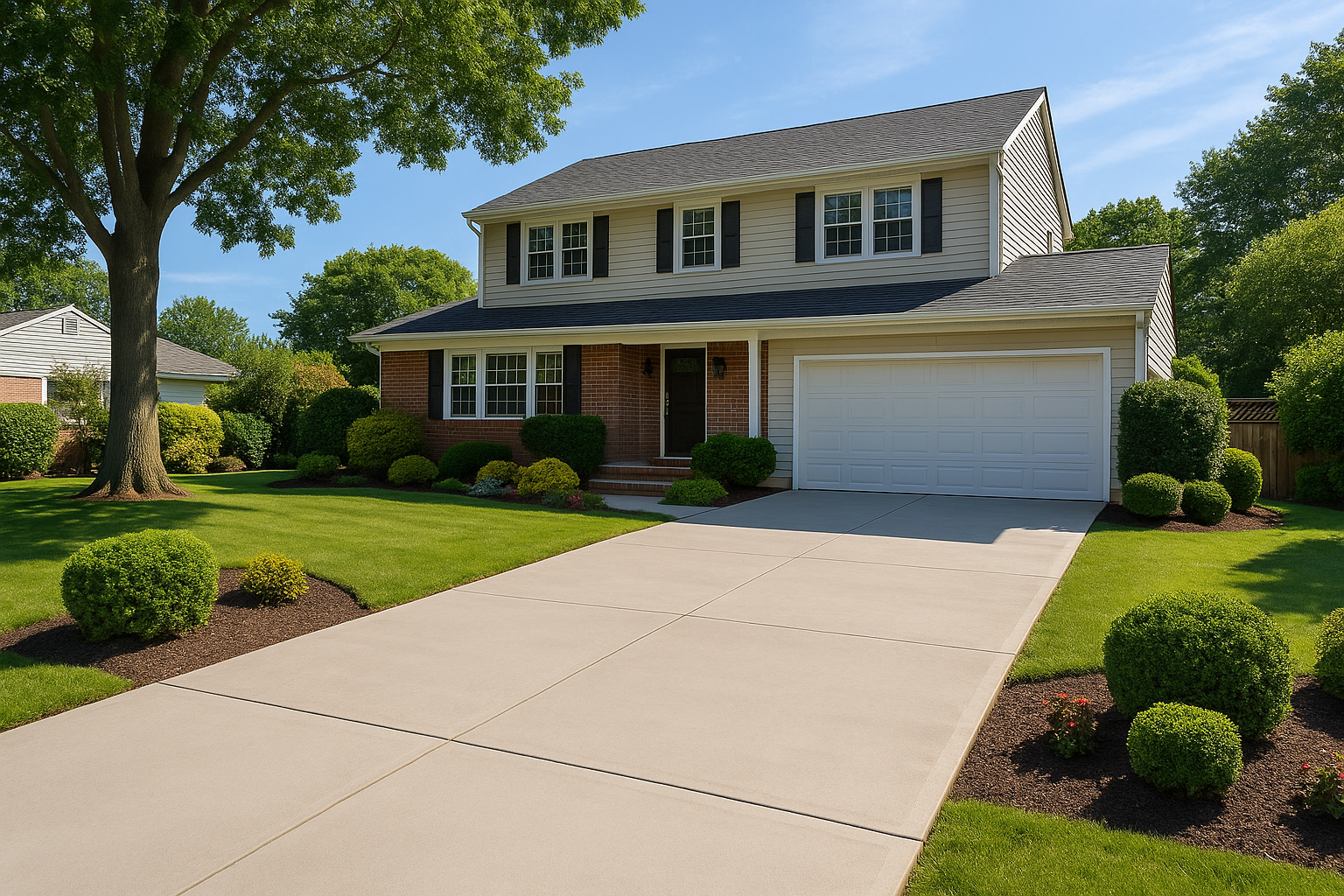
- Driveways: Durable surfaces designed for daily use and a clean, finished look.
- Patios and walkways: Smooth, properly finished surfaces for comfortable outdoor access.
- Concrete repair: Addressing cracks, uneven areas, or deterioration to restore safety and appearance.
- Upgrades and replacements: Refreshing older slabs and improving how outdoor spaces function.
Why Choose a Contractor Locally
Concrete projects can be more complex than they look. The best outcome usually requires proper preparation—checking the base, managing drainage, and ensuring the right thickness and reinforcement for the intended use. Local contractors also understand how to plan around seasonal conditions and jobsite realities in the area, helping reduce delays and surprises.
When you contact Long Island Mason & Concrete, you’re not just hiring materials—you’re gaining a team that can help you think through the process. That includes clarifying what’s involved, what to expect during the work, and how to protect the finished surface afterward.
What to Expect From the Project Process
Every job starts with evaluating your space and discussing your goals. A contractor typically considers:
- Site preparation needs: Ensuring the ground/base is ready for a stable slab or repaired section.
- Drainage and grading: Helping reduce the risk of recurring issues and improving long-term performance.
- Finish and texture: Matching the surface to your lifestyle needs and desired appearance.
- Repair or replacement decisions: Determining whether patching is suitable or a full approach is the safer long-term option.
Taking these steps seriously helps concrete hold up, look better over time, and perform the way you need it to.
Get Help With Repairs and Maintenance
If your concrete has cracks, uneven spots, or areas that have started to break down, addressing the issue early can help. Some problems can worsen when water gets underneath or when minor movement grows over time. Long Island Mason & Concrete can help you understand what you’re seeing and what kind of repair plan makes sense for your situation.
Ready to Start Your Concrete Project Near West Bay Shore?
Whether you’re improving curb appeal with a new surface or restoring worn concrete for safety and function, the first step is a straightforward conversation about your goals. Reach out to Long Island Mason & Concrete to discuss your project and learn how to move forward with confidence.
West Bay Shore Concrete Solutions for Everyday Life
West Bay Shore is a coastal Long Island community where outdoor spaces are part of daily living—driveways, walkways, patios, and other concrete surfaces see frequent use and weather exposure. Residents often want concrete that doesn’t just look sharp, but also stays solid through seasonal changes and regular traffic.
That’s where professional concrete services fit well. Proper prep and thoughtful installation help create surfaces that are stable and easier to maintain. If you’re planning a new driveway or updating a patio, the right approach can improve both function and appearance, making it easier to enjoy your property the way you want.
For homeowners dealing with cracks or uneven concrete, timely repairs can help restore safety and reduce the chance of problems spreading. Long Island Mason & Concrete serves West Bay Shore with an emphasis on craftsmanship and practical guidance, helping you choose options that align with your goals and the realities of your jobsite.
Frequently Asked Questions About Concrete in West Bay Shore, NY
What’s the difference between concrete slab work and concrete foundation work?
Concrete “slab” work usually refers to flat, horizontal pours like driveways, patios, sidewalks, and garage slabs. Concrete foundation work is typically structural and supports walls, requiring careful attention to load, thickness, reinforcement, and curing. Because foundation pours can be tied to building design and site conditions, the prep steps and inspection needs are different. If you’re unsure which type you have, describe the area and its purpose, and a contractor can identify the right approach.
How do I know whether my existing concrete needs repair or replacement?
A good rule of thumb is to consider both the surface condition and the cause. Hairline cracks may be cosmetic, while spalling, scaling, or large uneven settlement often signals deeper movement. Water pooling, failing joints, or widespread deterioration usually points toward replacement. If you’re seeing repeated cracking after patching, the underlying soil or drainage may be contributing. A thorough look at crack width, depth, and elevation helps decide between repair and full replacement.
Can you pour new concrete over an old slab, or should it be removed?
Sometimes new concrete can be added over existing concrete, but only when the existing slab is stable, properly prepared, and has the right surface condition. If the old slab is cracked extensively, uneven, or has weak or flaking surfaces, overlaying can lead to faster failure. Removal and re-pour may be the safer long-term option. Preparation typically includes cleaning, assessing base stability, and addressing joints and moisture concerns before any new pour.
What should I expect during concrete installation, from prep to curing?
Concrete success starts with site prep: grading, compacting the base, and setting forms and edges. For slabs and flatwork, joints and proper slope help reduce cracking and water issues. During the pour, concrete mix consistency, placement, and finishing matter for strength and appearance. Curing is equally important—proper curing helps the concrete reach intended performance and reduces surface cracking. Your contractor should explain the curing plan and any steps to protect the surface as it hardens.
How do weather conditions in West Bay Shore, NY affect concrete work?
Concrete is sensitive to temperature and moisture. In colder periods, freezing can disrupt curing and weaken the final surface, so timing and cold-weather practices matter. In warmer or windy conditions, concrete can dry too quickly, increasing shrinkage cracking. In all seasons, proper protection after the pour—such as controlling exposure and following recommended curing—helps prevent problems. Discuss your project window and current site conditions so the mix, finishing schedule, and curing plan align with local weather patterns.