Concrete Solutions in Syosset, NY
If you’re planning a concrete project in Syosset—whether it’s a new driveway, a patio refresh, a walkway upgrade, or exterior repairs—the right contractor can make a noticeable difference in how the finished work looks and performs. Concrete is only as good as the planning behind it: site prep, proper base material, correct thickness, and careful finishing all affect longevity and daily usability.
Long Island Mason & Concrete helps homeowners and property owners across Long Island approach concrete with a practical, detail-focused mindset. From evaluating the scope of work to discussing what you want your outdoor spaces to do—handle traffic, improve curb appeal, or solve a worn or uneven surface—they work to align your goals with the realities of the site. If your current concrete is cracking, settling, or simply no longer meeting your needs, local support is especially valuable for getting the project moving and avoiding guesswork. Their team can help guide you through common decisions like surface finish, repair vs. replacement, and what to expect from the process so you can feel confident before work begins.
Concrete projects Syosset homeowners commonly need
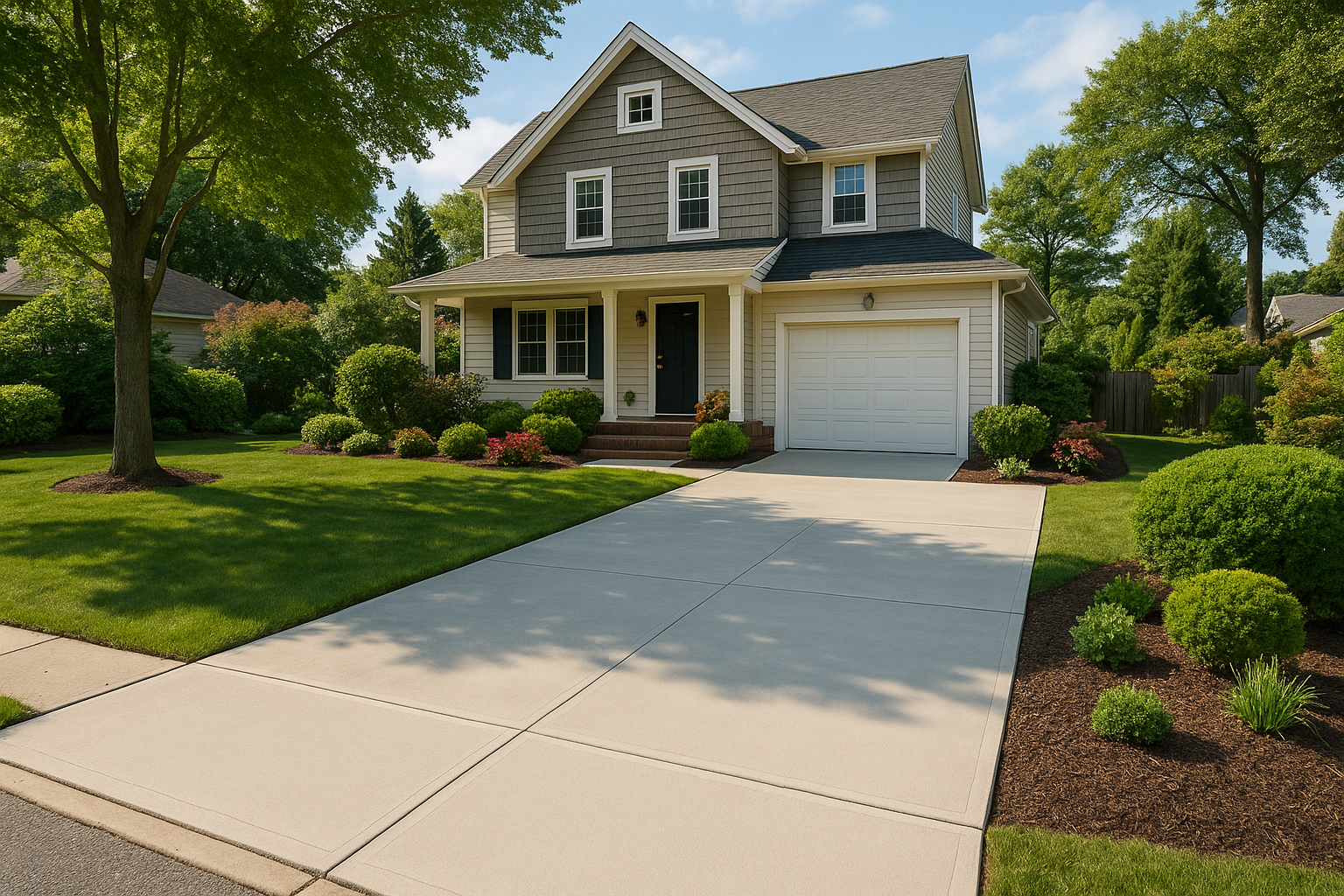
Syosset properties often feature outdoor spaces where concrete plays a key role. Residents look for durable surfaces that can handle everyday use, add polish to home exteriors, and maintain safe, level paths. Long Island Mason & Concrete is equipped to support a range of concrete needs, including:
-
Driveways: New installations, resurfacing, and repairs for a cleaner, more reliable entrance.
-
Patios and outdoor living areas: Concrete surfaces that support cooking, entertaining, and relaxing.
-
Walkways and steps: Upgrades that help improve flow and curb appeal.
-
Concrete repair: Addressing cracks, spalling, uneven sections, and other issues that can worsen over time.
How to get started locally in Syosset
Accessing concrete services locally is easier when you begin with a clear picture of the project. Start by taking a close look at what you want to improve—whether it’s appearance, function, or safety. If you can, note where the surface is cracking, sinking, or showing wear, and pay attention to how drainage and water movement may affect the area.
Then reach out to Long Island Mason & Concrete to discuss your goals. A helpful first conversation typically covers the scope of work, the condition of the existing surface (if there is one), and how you’d like the finished result to look and perform. From there, the team can advise on practical next steps based on what’s feasible for your property.
Why local concrete support matters in Long Island communities
Concrete performance depends on more than appearance. Weather patterns, seasonal temperature changes, soil conditions, and how water drains around a home can influence how a slab holds up. Local contractors understand the importance of getting preparation right—because proper prep and installation reduce the risk of repeating problems later.
When you work with Long Island Mason & Concrete, you benefit from a process that focuses on details such as base preparation, finishing, and workmanship standards. That matters whether you’re building something new or correcting an issue with existing concrete.
Choosing the right approach: repair, replacement, or enhancement
Not every concrete problem requires starting from scratch. Sometimes targeted repair is the best path, while other situations call for replacement to restore stability and improve overall appearance. A professional evaluation can help you decide what makes the most sense for your property and your long-term goals.
During your consultation, ask about options like:
-
Repair vs. replacement: What’s most appropriate based on the condition of the slab.
-
Surface finish: Preferences for texture and visual style.
-
Project planning: Clear expectations for what happens before, during, and after installation.
What to expect during the concrete process
Concrete projects typically include planning, site prep, forming as needed, installing the concrete, and finishing the surface to meet both performance and aesthetic goals. If you’re working around existing landscaping or outdoor features, the team can help coordinate practical ways to protect surrounding areas. Good communication is key, and a reputable contractor will explain the plan so you know what to expect from start to finish.
Reach out with confidence
If you’re in Syosset and ready to improve a driveway, patio, walkway, or concrete surface that needs attention, Long Island Mason & Concrete is a local choice you can count on for straightforward guidance and quality concrete work.
Syosset, NY Concrete Needs Made Local
Syosset is a community where outdoor spaces are part of daily life—driveways need to handle routine traffic, and walkways and patios often serve as the bridge between home and yard. When concrete looks worn or starts to crack or settle, it doesn’t just affect curb appeal; it can impact how comfortable and safe your property feels.
That’s why working with a concrete contractor that understands local project needs can be a smart move. Concrete work depends on solid preparation, dependable finishing, and thoughtful decisions about repair versus replacement. Long Island Mason & Concrete supports homeowners by focusing on practical recommendations and quality craftsmanship so the finished surface performs well for years.
If you’re planning a new concrete addition or addressing an issue with existing concrete, you’ll get better results by starting with a conversation about your goals and the current condition of the slab. With local guidance, you can move forward with clarity and confidence—whether you want a clean, updated look or a more reliable surface for everyday use.
Frequently Asked Questions About Concrete in Syosset, NY
What types of concrete services are commonly available in the Syosset area?
In many local areas, concrete contractors handle both new work and repairs. Common services include driveway and sidewalk installation, patio construction, concrete steps, foundation work, and garage slabs. Many also perform concrete resurfacing or patching for sunken or cracked sections. If you’re planning a project, it helps to match the service to the specific need—flatwork for aesthetics and durability, and repair work for safety and preventing further deterioration over time.
How can I tell if my existing concrete needs repair or full replacement?
A good rule of thumb is to assess severity and movement. Hairline cracks may be candidates for sealing or patching, while wider cracking, flaking, spalling, or exposed aggregate often indicates the concrete surface has degraded. If slabs are noticeably uneven, rocking, or separating from surrounding structures, replacement may be safer than repeated patching. A contractor can evaluate depth, subgrade condition, and drainage issues to recommend the most practical option for your situation.
What’s involved in concrete driveway or patio installation?
A typical installation starts with site prep: removing old material if needed, setting forms, and ensuring proper grading. The base (often gravel or stone) is compacted to support the slab and help reduce future settling. Reinforcement may be added depending on design and load needs. Then the concrete is poured, leveled, and finished, followed by curing and jointing to manage shrinkage. Proper curing and joint layout are key to long-term performance.
Can you repair cracks, and will sealing prevent them from coming back?
Crack repair usually depends on the crack type and cause. Epoxy or crack filler can restore integrity for non-moving cracks, while wider or actively spreading cracks may require stabilization and re-leveling before sealing. Sealing helps protect concrete from moisture intrusion, which can slow deterioration, but it can’t stop underlying movement if the subgrade or drainage is the issue. Addressing root causes—such as water runoff and soil conditions—often makes repairs last longer.
How do I maintain stamped or decorative concrete to keep it looking good?
Decorative finishes like stamped concrete benefit from routine cleaning and timely protection. Plan to remove dirt, debris, and organic growth with gentle washing; avoid harsh chemicals that can damage the surface. Over time, consider reapplying a sealer when the protective layer wears down—this helps resist stains and moisture. Use mats or protective pads under items that can scratch. If you notice fading, pooling water, or surface wear, maintenance sooner is usually easier than full refinishing later.