Concrete Specialists in Northwest Harbor, NY
Long Island Mason & Concrete provides practical, detail-focused concrete services for homeowners and property managers who want clean lines, durable finishes, and work that holds up through changing seasons.
From planning and preparation to finishing and cleanup, the goal is the same: help you improve the look and function of your property with concrete solutions built to last. Whether you’re repairing existing concrete, upgrading a driveway or walkway, or planning a new installation, local service means faster communication, easier coordination, and guidance tailored to your project needs. You can also rely on the team to help you think through options like surface finish, drainage considerations, and long-term maintenance so your new or refreshed concrete performs the way you expect.
Local Concrete Help You Can Schedule
Concrete projects are easier when you have a contractor who can walk you through the process clearly—from initial questions to final review. Long Island Mason & Concrete works with residents in and around Northwest Harbor, NY, helping you plan the scope of work and move forward with confidence. If you’re not sure where to start, that’s okay. The first step is simply sharing what you’re trying to accomplish and what you’re seeing on-site.
Local concrete service also helps with timing and coordination. Instead of trying to manage details from far away, you can get direct answers about your project, discuss site conditions, and set expectations for the work and the finishing process.
Common Concrete Projects in Northwest Harbor
Concrete needs vary from property to property. Many homeowners in Northwest Harbor reach out when they want to refresh worn surfaces or add new concrete features that improve everyday use. Concrete work may include:
-
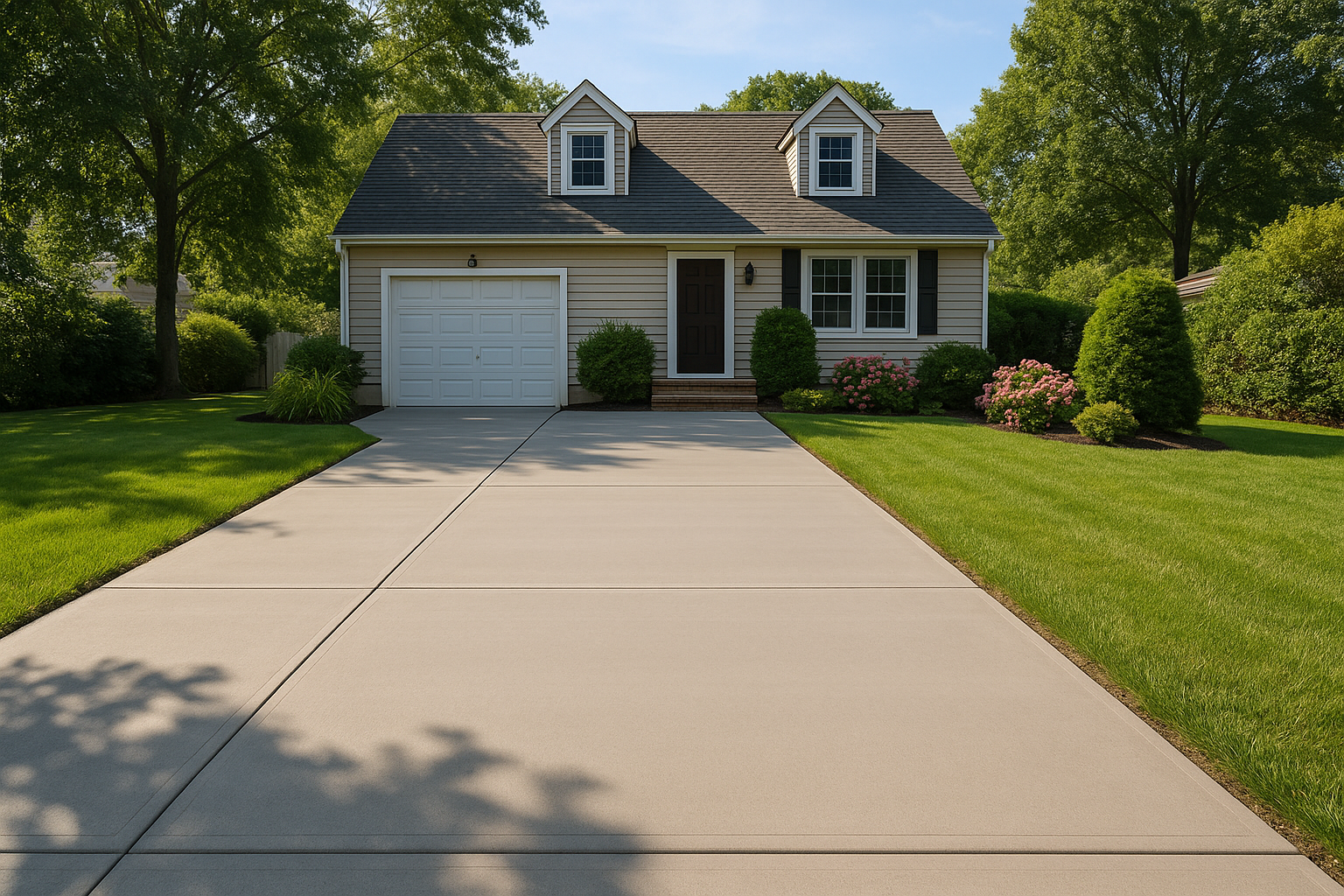
Driveway and walkway improvements to enhance curb appeal and everyday access
-
Concrete repair for cracks, chips, spalling, and worn edges
-
Patios and exterior slabs for outdoor living spaces
-
Foundations, sidewalks, and step work where durability and safe footing matter
What to Expect From Long Island Mason & Concrete
A good concrete job isn’t just about pouring—it’s about preparation, proper materials, and careful finishing. Long Island Mason & Concrete focuses on getting the groundwork right so your finished concrete looks better and performs better over time. Depending on your project, that may include:
-
Site evaluation so the team can identify issues that affect performance
-
Surface and base preparation for stability and a smoother finished look
-
Forming and alignment for straight edges, clean transitions, and proper elevations
-
Finishing that matches your needs, whether you want a practical broom finish or a more refined surface
-
Project wrap-up with attention to cleanup and a clear handoff
Why Professional Concrete Matters Locally
Northwest Harbor properties are exposed to the kinds of seasonal shifts that can challenge concrete over time. When concrete is installed or repaired without the right steps, small problems can grow—like cracking at edges, uneven surfaces, or drainage-related wear. Working with a concrete specialist helps reduce the chances of repeat issues by prioritizing correct preparation and finishing.
Professional workmanship also helps with the details people notice immediately: even grades, consistent textures, tidy joints, and a finish that blends with the rest of your exterior.
How to Access Concrete Service in Northwest Harbor
If you’re ready to get started, the most helpful thing you can do is prepare a few basics before reaching out. Think about what you’re building or repairing, when you want the work completed, and whether there are any visible concerns like cracks, sinking, or drainage issues. Even a few photos and a quick description of where the problem shows up can speed up the conversation.
Long Island Mason & Concrete can help you move from “I need concrete work” to a clear plan. Reach out to discuss your project and get guidance on next steps, scheduling, and what’s involved for your specific situation.
About Northwest Harbor, NY
Northwest Harbor is a coastal community where properties often balance comfort, style, and practical everyday use. Outdoor spaces—driveways, walkways, patios, and entryways—see a lot of traffic throughout the seasons, so it’s common for residents to look for concrete work that improves both appearance and function.
Concrete fits well here because it’s versatile and can be tailored to match the look of different homes and landscaping styles. Whether you’re repairing an existing slab or planning a new installation, local service matters: understanding site conditions and coordinating the work clearly helps keep the project moving and reduces the chance of last-minute surprises.
Long Island Mason & Concrete supports homeowners in Northwest Harbor with concrete solutions focused on solid preparation and careful finishing. If your concrete is showing wear, uneven areas, or cracking, getting it assessed early can help you protect the property and keep outdoor access safe and dependable.
Frequently Asked Questions About Concrete in Northwest Harbor, NY
What types of concrete services are available for homeowners and businesses near Northwest Harbor?
Concrete contractors typically handle both flatwork and structural work, depending on the job. Common requests include concrete driveways, sidewalks, patios, steps, garage floors, and concrete slabs for sheds or small additions. Some projects also involve repair services like patching spalls, leveling uneven sections, or replacing damaged slabs. For commercial needs, options may include warehouse pads, walkway improvements, or curb and apron work. A contractor can help determine the right mix and thickness for your application.
How do I know whether to repair existing concrete or replace it?
The decision usually depends on how the concrete has failed. Surface-level issues like minor cracking, spalling, or small voids can often be repaired with proper prep and patch materials. If slabs are heaving, repeatedly cracking, have significant settlement, or are broken through, replacement may be more cost-effective and longer-lasting. A professional evaluation typically looks at crack patterns, drainage and soil movement, depth of damage, and whether slabs are still stable before recommending repair or full removal.
What can cause concrete cracks in the first year, and how can they be prevented?
Cracking can happen even with quality concrete due to shrinkage as it cures, temperature changes, and drying too quickly. Poor base preparation and inadequate subgrade compaction can also contribute, especially where water collects or soils shift. Reinforcement and proper joint placement help control cracking, and curing practices reduce early stress. To minimize issues, the project should include correct mix design, appropriate thickness, well-compacted base, correct joint spacing, and curing methods suited for the season and weather conditions in your area.
How long should I wait before using a new concrete driveway or patio?
Cure times vary based on mix, thickness, weather, and whether the surface will be exposed to heavy loads. In general, concrete needs time to gain strength before it’s fully used. Many projects can be walked on sooner, but vehicular traffic typically requires longer curing than foot traffic. If the slab will be subjected to heavier loads—like cars, equipment, or frequent turning—follow the contractor’s recommended timeframe based on the specific pour. Planning around curing helps avoid surface damage and premature wear.
What’s involved in concrete leveling or mudjacking versus full slab replacement?
Concrete leveling (often done by injecting a cementitious or polymer-based material beneath the slab) aims to lift and stabilize sunken concrete without removing the entire section. Mudjacking is commonly used when the slab is still generally intact but has settled. The process usually begins with assessing stability and identifying voids, then drilling small access holes, injecting material, and restoring the surface. Replacement is often considered if there are widespread fractures, broken edges, or recurring failures due to deeper base or drainage problems.