Concrete Specialists in Ronkonkoma, NY
When you’re planning a concrete project in Ronkonkoma—whether it’s a new driveway, patio, walkway, or foundation work—working with a local, experienced contractor can make all the difference. Concrete needs vary by site conditions, drainage, soil conditions, and how the finished surface will be used day to day.
Long Island Mason & Concrete is a go-to choice for homeowners and property managers who want dependable workmanship and clear communication throughout the process. From initial consultation to finishing details, you can expect a practical approach focused on quality, durability, and getting the job done right the first time. If you’re comparing options, the most helpful starting point is understanding what to ask, how to prepare your property, and what timelines typically look like for concrete work. In this guide, you’ll find straightforward steps to help you access concrete services locally in Ronkonkoma and choose the right scope for your needs.
Local Concrete Services Residents in Ronkonkoma Can Access
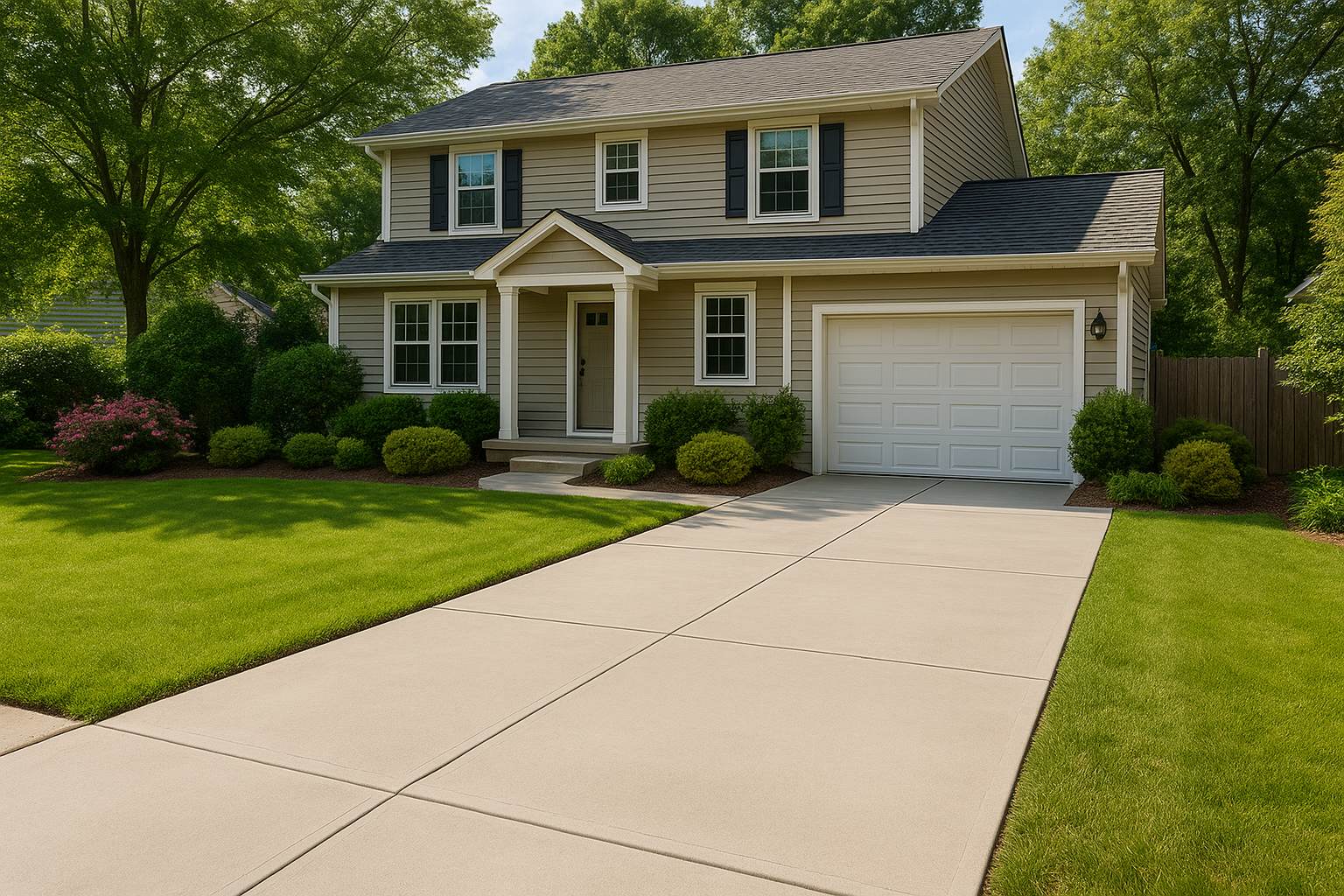
Concrete is one of the most versatile materials for outdoor and structural projects, and Ronkonkoma homeowners often need it for practical, everyday purposes: improving curb appeal, creating safe walkways, upgrading driveways, and supporting lasting exterior spaces. To get started, the best path is to define your project clearly and then match it with the right concrete solutions—whether you need a full installation, repair, or resurfacing.
Long Island Mason & Concrete helps local clients through the full planning-and-build process. That usually includes discussing your goals, reviewing the site, and recommending the most suitable concrete approach for your property and usage.
What Concrete Projects Are Common in Ronkonkoma?
While every property is different, many Ronkonkoma projects typically fall into these categories:
- Driveways: fresh installs, replacement of worn sections, and upgrades for smoother, more durable surfaces.
- Walkways & steps: safe, properly finished routes for foot traffic.
- Patios & outdoor living spaces: durable bases for relaxing and entertaining.
- Porches & slabs: concrete work designed for structural stability and long-term use.
- Concrete repair: addressing cracks, spalling, settlement, or other damage before it worsens.
How to Get Concrete Service Locally (Without the Guesswork)
If you want a smooth experience, focus on three things: communication, site readiness, and realistic expectations for concrete curing and finishing.
- Contact a concrete specialist early: Reach out to Long Island Mason & Concrete with what you’re planning (and ideally a few photos). The more details you can share, the easier it is to discuss options.
- Walk through the site: A contractor should take into account drainage, grade, existing surfaces, and how the area is used. These factors strongly influence the recommended concrete plan.
- Confirm scope and materials: Ask about whether your project is installation, replacement, or repair, and what type of finish will work best for your goals.
- Plan for prep and access: Make sure equipment can reach the work area and that the space around your project is cleared as needed.
- Understand curing and timing: Concrete projects require appropriate curing time and finishing steps. Your contractor can help you plan around typical weather-related considerations.
Benefits of Choosing a Trusted Local Contractor
Concrete is a long-lasting material, but the results depend on the details—proper preparation, correct placement, and careful finishing. Working with Long Island Mason & Concrete offers practical advantages for Ronkonkoma residents, including:
- Local familiarity: Contractors who work in the area understand how projects fit into real residential properties and neighborhood expectations.
- Quality-focused craftsmanship: Finishing details matter for comfort, appearance, and longevity.
- Clear project guidance: You can get help selecting a scope that matches your needs and budget.
- Repair-first options: In many cases, addressing issues early can help prevent larger problems later.
Questions to Ask Before Scheduling Your Concrete Work
Before work begins, it’s smart to ask a few straightforward questions:
- What preparation is required at my site?
- Is this a full replacement or a targeted repair/resurface?
- What finish will reduce slipping and wear for my usage?
- How should I plan for access and cleanup?
- What timeline should I expect from start to finish?
If you’d like help deciding what makes sense for your property, the team at Long Island Mason & Concrete can guide you through your options.
Why Concrete Service Fits Ronkonkoma Homes
Ronkonkoma is a community where people rely on dependable home features—driveways that handle daily use, walkways that make entrances safer, and exterior surfaces that look good and hold up through the seasons. Because properties can vary in layout and site conditions, concrete work needs a practical, site-specific approach.
Long Island Mason & Concrete is well suited for local residents who want guidance from planning to finishing. Whether you’re upgrading outdoor living space or repairing visible damage, a contractor who focuses on preparation, proper placement, and finishing details helps protect your investment and supports a smoother, more comfortable everyday experience.
If you’re looking for a concrete solution in Ronkonkoma, starting with a clear scope and discussing site conditions is the fastest way to get the right outcome. You’ll be able to choose a path—installation, replacement, or repair—that matches how you want your property to function today and stay durable over time.
Frequently Asked Questions About Concrete in Ronkonkoma, NY
What types of concrete services are typically available for homes and businesses?
Concrete contractors commonly handle a range of projects, including new flatwork (driveways, sidewalks, patios), concrete removal and replacement, concrete resurfacing or patching, and small structural pours when applicable. They may also provide help for site preparation tasks like grading, forming, and base material installation. For commercial spaces, they often plan work to minimize disruption and ensure the final surface meets the intended use, whether foot traffic, vehicles, or light equipment needs.
How do I know whether I need concrete repair, resurfacing, or full replacement?
The right approach depends on the condition of the slab. Hairline cracking may be suitable for patching or resurfacing, while spalling, deep cracks, significant settlement, or recurring water intrusion often indicates replacement is the better long-term fix. A professional assessment usually looks at crack width and pattern, elevation changes, loose or failing edges, and underlying base condition. If repairs have been done before and the problem is returning, replacement may be the most practical option.
What’s involved in preparing the site before concrete is poured?
Proper preparation is critical for durability. Contractors typically evaluate the existing ground condition, remove weak or unsuitable material, and establish the correct slope for drainage. They install a stable base (often including compacted aggregate), set forms to achieve the right shape and thickness, and place reinforcement if required by the design and load needs. They also plan joints and edges to control cracking and improve appearance, then check that everything is ready before the pour.
How long does concrete take to cure, and when can I use the area?
Curing time varies with mix design, thickness, temperature, and humidity. Most slabs need time to reach sufficient strength before regular use, and protecting the surface from premature loads is important to prevent cracking or surface damage. Contractors often schedule work so you can avoid traffic on the slab during the early curing stage. For best results, follow the guidance provided for your specific project, including when to resume driving, walking, or applying sealers.
What maintenance should I do to keep concrete looking good and lasting longer?
Concrete maintenance is mostly about controlling moisture and protecting the surface. Keep the area clean, promptly remove stains when possible, and avoid harsh de-icing practices that can damage concrete surfaces in freeze-thaw conditions. If your contractor recommends sealing, sealing can help reduce water penetration and make future cleaning easier. Inspect the slab periodically for new cracks, spalling, or joint failure, and address small issues early. Proper drainage away from the slab also helps prevent recurring problems.