Concrete Specialists in Westhampton Beach, NY
If you’re planning a concrete project around Westhampton Beach—whether it’s a new driveway, patio, walkway, or a durable foundation—we make it easier to get solid results from start to finish. Local homes and coastal-adjacent properties often face shifting soil conditions, heavy seasonal use, and the need for concrete that can hold up over time.
Long Island Mason & Concrete is built for residents who want practical guidance and dependable workmanship. Our team helps homeowners understand what to consider before work begins, including site conditions, concrete mix choices, layout, and proper finishing for long-lasting performance. We also focus on clear communication so you know what to expect during scheduling and throughout the job.
Choosing a concrete contractor isn’t just about the pour—it’s about preparation, craftsmanship, and using the right approach for your specific property. From repairs and resurfacing to new installations, we’re here to help you access quality concrete services locally, with an emphasis on workmanship you can feel good about. If you’re ready to talk through your project, we’ll help you move from ideas to a plan you can trust.
Local Concrete Services for Homes in Westhampton Beach
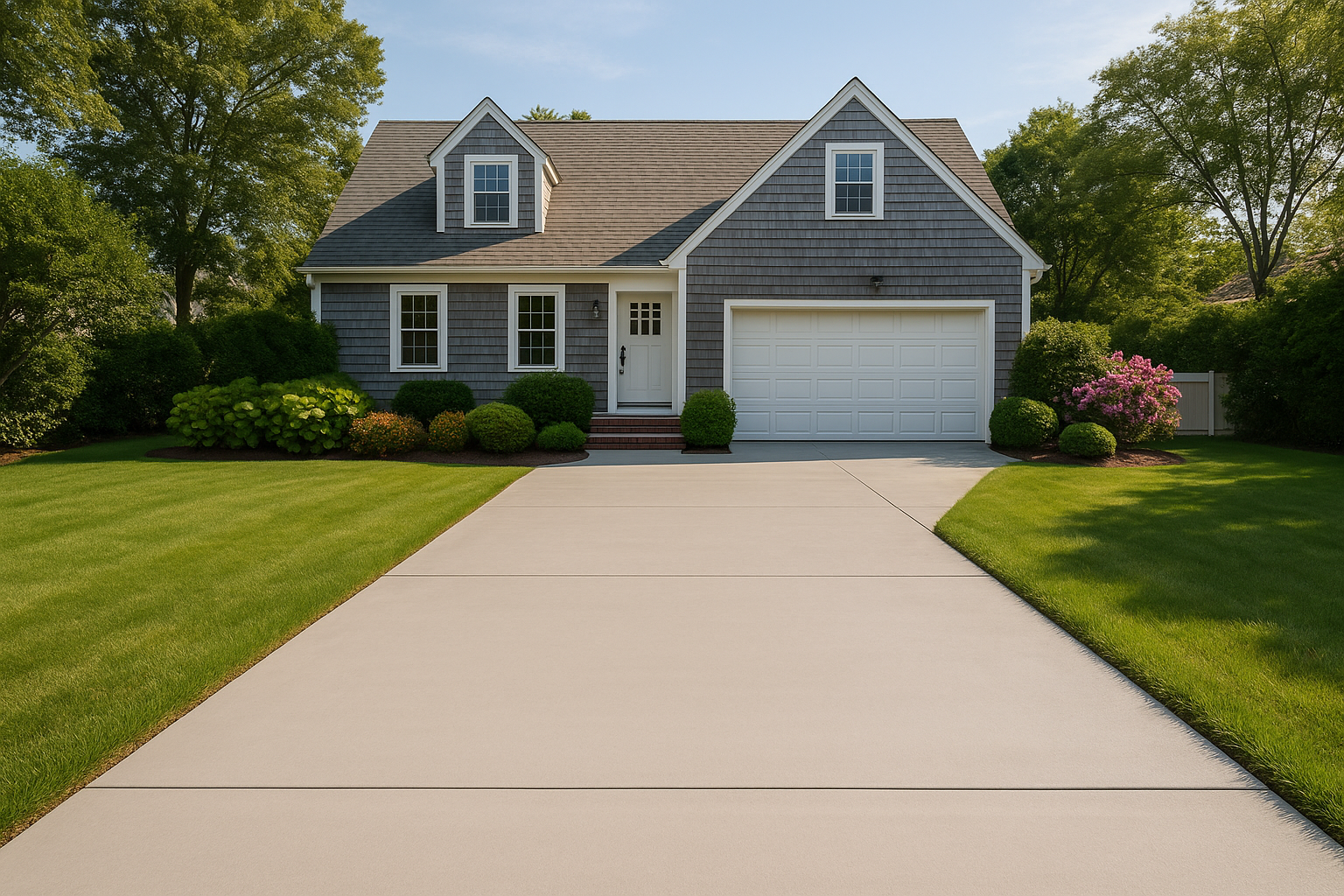
Concrete is a practical choice for Westhampton Beach properties because it’s versatile and can be tailored to match how you use your outdoor space. Whether you’re improving curb appeal, creating a comfortable patio area, or upgrading walkways for everyday convenience, the right concrete work adds value and function.
Long Island Mason & Concrete supports residents with hands-on service for concrete projects such as:
- Driveways and driveway extensions
- Patios and outdoor living surfaces
- Walkways, steps, and entry areas
- Concrete repairs and patching
- Concrete foundations and related work
Concrete projects go beyond aesthetics. Proper site prep, accurate placement, and thoughtful finishing help reduce common issues like premature wear, uneven surfaces, and cracking due to settling or drainage problems.
What to Expect When You Work With Long Island Mason & Concrete
Working with a local concrete team is about clarity and confidence. We help you think through key factors before work begins so the finished result aligns with your goals and the realities of your property.
-
Project planning: We discuss your ideas, the intended use of the space, and any visible concerns that may affect the work.
-
Site considerations: Every property is different. We focus on preparation and layout so the concrete is set up to perform where it’s installed.
-
Concrete craftsmanship: Finishing and curing matter. Our team emphasizes careful workmanship for a clean, durable surface.
-
Straightforward communication: You’ll know what’s happening and why, from prep to completion.
Whether you’re planning a full installation or addressing a problem area, the process is designed to be manageable and focused on quality.
Why Concrete Fits Westhampton Beach Properties
Westhampton Beach homeowners often want exterior improvements that look good and can handle seasonal changes. Concrete’s strength and adaptability make it a strong option for driveways, patios, and walkways, especially when the work is done with attention to proper preparation and finishing.
Concrete also offers homeowners flexibility. You can choose a layout that complements your home, adjust the design to your outdoor flow, and plan for surfaces that stand up to regular foot traffic, vehicle use, and everyday weather exposure.
How to Get Started Locally
Accessing concrete services in Westhampton Beach should feel simple. Start by reaching out with a brief description of what you’d like to build or repair—such as the type of surface, approximate scope, and any concerns you’ve noticed. If you have photos, that can help the team understand your project faster.
Long Island Mason & Concrete is ready to help homeowners move from questions to next steps. We’ll guide you through what’s needed so you can make informed decisions about your concrete work.
Concrete Maintenance Tips (So Your Work Lasts)
After installation or repair, a few practical habits can help keep your concrete in good shape:
- Keep drainage in mind so water doesn’t pool near slabs.
- Address small cracks or surface issues early to prevent them from spreading.
- Use appropriate cleaning methods that won’t damage the surface finish.
- Avoid harsh impacts that can chip edges and corners.
When you maintain your concrete and choose quality workmanship from the beginning, your outdoor improvements can stay strong and attractive for years.
About Westhampton Beach & Why Concrete Projects Matter Here
Westhampton Beach is a vibrant coastal community where outdoor living is part of daily life. Many homes are built for year-round comfort and seasonal enjoyment, so driveways, patios, and walkways need to perform reliably through changing weather and regular use.
Concrete fits these needs well because it can be designed to match how your property functions—whether you’re hosting at home, parking comfortably, or creating a smoother path from driveway to door. With the right preparation and finishing, concrete can provide a durable, clean-looking surface that stands up to the demands homeowners expect.
Long Island Mason & Concrete helps Westhampton Beach residents plan practical concrete work that supports both curb appeal and everyday convenience. If you’re considering new installation or repair, local guidance and careful craftsmanship can make a noticeable difference in how your concrete holds up over time.
Frequently Asked Questions About Concrete in Westhampton Beach, NY
What types of concrete services are available for Westhampton Beach homeowners?
Concrete contractors typically handle a range of projects around homes, including new concrete slabs for patios or walkways, driveway concrete, concrete resurfacing, and repairs for cracks or spalling. Many also provide concrete installation for steps, pool decks, and landing areas, depending on site conditions. If you’re unsure what’s right for your project, describe the area, desired use, and existing condition—so the crew can recommend whether to repair, resurface, or replace.
How do I know whether I should repair existing concrete or replace it?
Repair is often appropriate when cracks are minor, the surface isn’t significantly heaved, and drainage issues have been addressed. Replacement is usually considered when there are large sections that are sinking or uneven, widespread cracking, extensive spalling, or areas where the slab has lost structural integrity. A professional inspection helps identify the cause—like water intrusion, base failure, or freeze-thaw movement—so you don’t just patch a symptom and face recurring problems.
What causes concrete cracking in coastal areas, and how can it be prevented?
Concrete cracks can result from shrinkage as concrete cures, thermal expansion and contraction, settling of the subbase, poor drainage, or repeated freeze-thaw cycles. In coastal regions, exposure to moisture and salt can also contribute to deterioration over time. Prevention starts with proper site preparation, a well-compacted base, correct mix design, adequate curing, and appropriate joint placement. Addressing grading and water flow is equally important to keep water from pooling near the slab.
Can concrete be resurfaced instead of fully replaced, and what does the process involve?
Yes—concrete resurfacing can be a practical option when the slab is still mostly sound but the surface is worn, stained, or lightly damaged. The process typically involves cleaning the existing concrete, repairing minor defects as needed, and applying a resurfacing system designed to bond to the original slab. Depending on the condition, contractors may use patching materials and smoothing techniques before finishing with a texture or coating for improved appearance and traction.
How should I prepare the area before a concrete project starts?
Preparation helps the work go smoothly and protects your property. Clear the area of vehicles, furniture, planters, and stored materials, and let contractors know about any utilities or sprinkler lines that run near the work zone. If there are nearby plants or landscaping you want preserved, discuss how they should be protected. After the formwork and surface prep are planned, follow any instructions about keeping the area accessible—especially for deliveries of materials and equipment.