What Is County Concrete?
County concrete refers to concrete products, services, or suppliers that serve a specific county or regional area. In many cases, the term is used by homeowners, contractors, and builders searching for a local concrete company that understands the needs of their community. Whether the project involves a driveway, patio, sidewalk, foundation, or commercial slab, county concrete providers play an important role in delivering reliable materials and professional installation.
Because concrete is one of the most widely used building materials in construction, choosing a local supplier or contractor can make a major difference in project quality, cost, and scheduling. County-based concrete companies often have a better understanding of local soil conditions, weather patterns, building codes, and permit requirements, which helps ensure a smoother project from start to finish.
Common County Concrete Services
County concrete companies typically offer a wide range of services for residential, commercial, and municipal projects. While exact offerings vary, most providers handle some combination of the following:
Residential Concrete Work
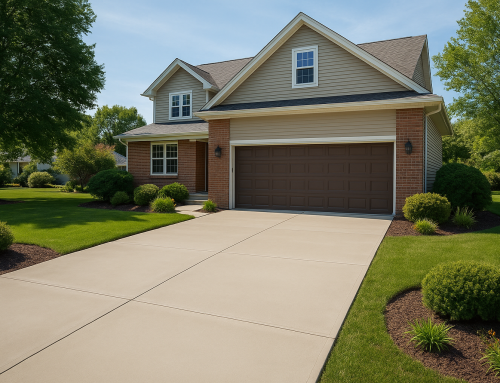
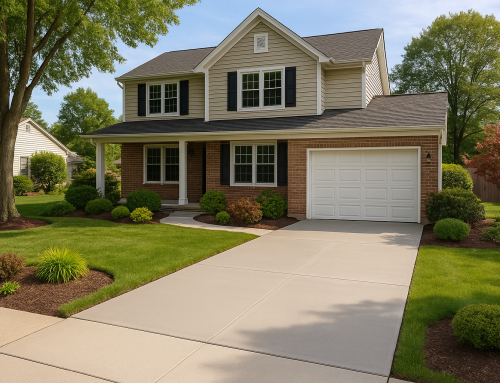
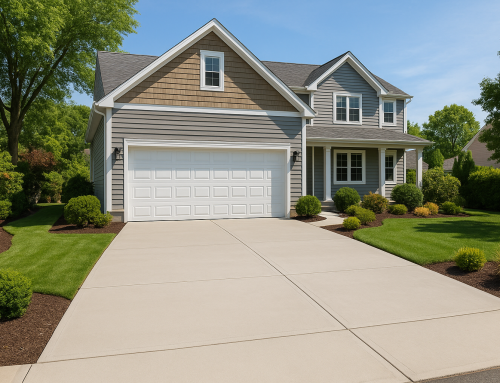
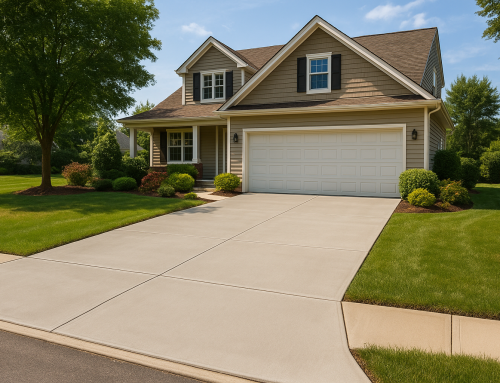
Homeowners often rely on county concrete contractors for driveways, walkways, patios, garage floors, pool decks, and basement slabs. These projects improve both function and curb appeal while adding long-term value to the property. A properly installed concrete surface can last for decades with minimal maintenance.
Commercial Concrete Projects
Businesses and property managers may need parking lots, loading docks, warehouse floors, curbs, or ADA-compliant ramps. County concrete professionals can help design and install surfaces that are durable enough to handle heavy traffic and daily use. In commercial settings, quality workmanship is especially important because repairs can disrupt operations and increase costs.
Foundations and Structural Slabs
Concrete foundations are essential to the strength and stability of many buildings. County concrete teams may pour slab foundations, footings, and structural pads for homes, additions, sheds, and larger structures. Since foundations must support the entire load of a building, proper site preparation, reinforcement, and curing are critical.
Repair and Restoration
In addition to new installation, many county concrete providers offer repair services. This can include crack filling, resurfacing, leveling, patching, and replacement of damaged sections. Repair work helps extend the life of existing concrete and can improve safety by removing trip hazards and surface deterioration.
Why Local County Concrete Matters
Working with a local concrete company offers several advantages. First, county concrete providers are usually familiar with regional climate conditions. This matters because temperature swings, freeze-thaw cycles, and moisture levels can affect how concrete is mixed, poured, and cured. A local expert will know how to adjust materials and techniques for the best results.
Second, local companies often respond faster. When a project is time-sensitive, having a nearby team can help keep things on schedule. They are also more likely to have relationships with local inspectors, suppliers, and subcontractors, which can streamline the process.
Finally, county concrete businesses tend to build their reputation within the community. That often means they are motivated to deliver quality work and dependable service. For customers, this can provide added peace of mind when selecting a contractor.
How County Concrete Projects Are Completed
Most concrete projects follow a similar general process, although the details depend on the size and purpose of the job. Understanding the steps can help property owners know what to expect.
1. Planning and Site Evaluation
The process usually begins with an inspection of the site. The contractor reviews soil conditions, drainage, access, slope, and project dimensions. This stage is important because poor planning can lead to cracking, settling, or water problems later on.
2. Forming and Preparation
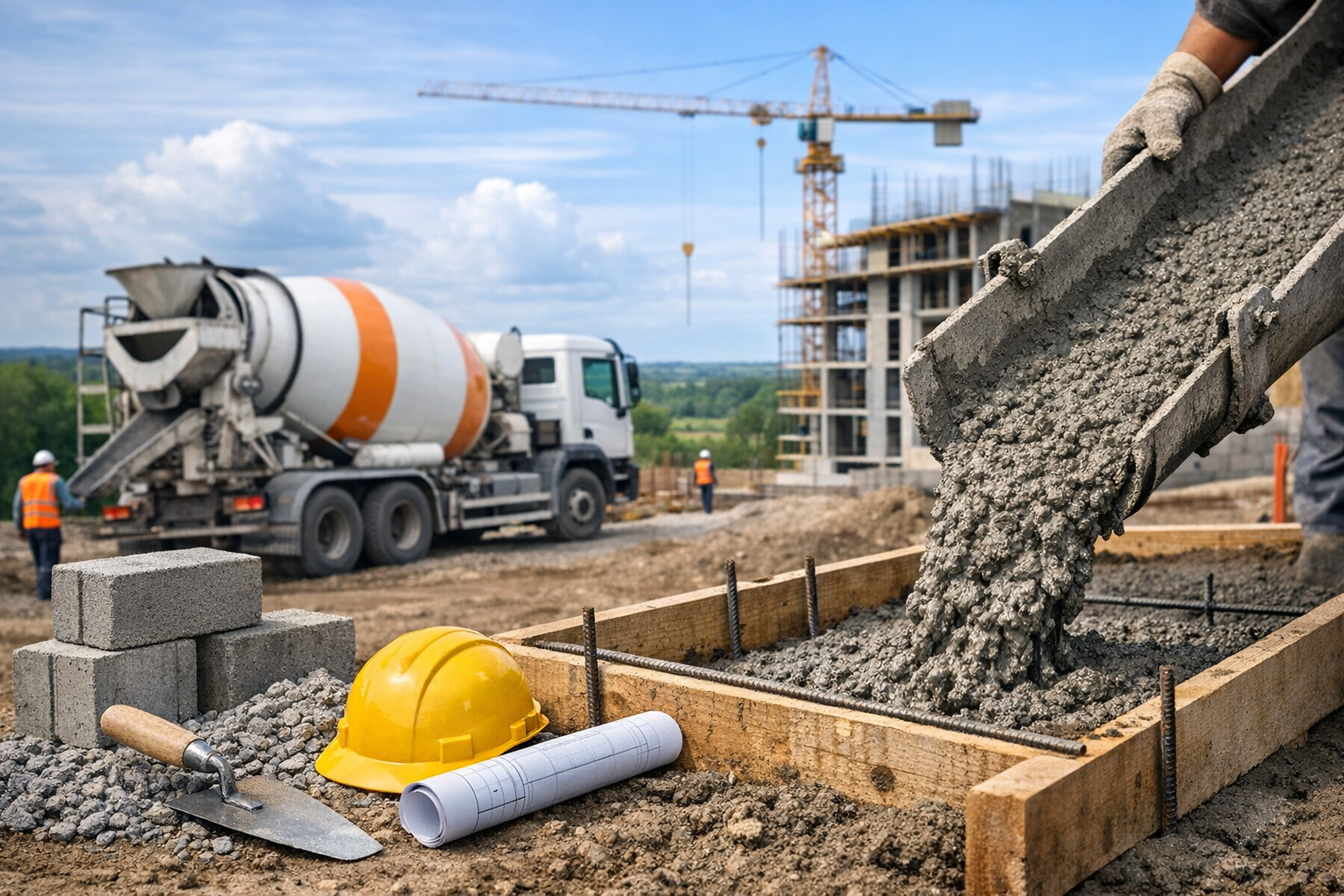
Once the plan is in place, the area is cleared and prepared. Forms are built to shape the concrete, and a base layer of gravel or compacted material may be added. Reinforcement such as rebar or wire mesh may also be installed to improve strength.
3. Pouring and Finishing
After preparation, the concrete is poured into the forms and leveled. Workers then finish the surface depending on the intended use. For example, a driveway may receive a broom finish for traction, while a patio may be stamped or colored for a decorative look.
4. Curing and Protection
Curing is one of the most important parts of the process. Concrete needs time to gain strength, and proper moisture control helps prevent cracking and surface defects. County concrete contractors may use curing compounds, plastic sheeting, or water methods to protect the slab during this stage.
Choosing the Right County Concrete Contractor
Not all concrete contractors offer the same level of skill or service, so it is worth taking time to compare options. Start by looking for experience with projects similar to yours. A company that regularly handles driveways may not be the best choice for a structural foundation or commercial slab.
It is also wise to ask about licensing, insurance, references, and warranties. A reputable contractor should be willing to explain their process, materials, and timeline in clear terms. Written estimates are helpful for comparing prices and understanding exactly what is included in the job.
Another good sign is attention to detail. The best county concrete professionals will discuss drainage, reinforcement, curing methods, and finish options rather than rushing straight to price. Quality concrete work depends on proper planning as much as on the pour itself.
Benefits of Quality County Concrete Work
When concrete is installed correctly, it delivers excellent performance and value. One major benefit is durability. Concrete holds up well under heavy loads, changing weather, and daily wear. It is also versatile, making it suitable for both functional and decorative applications.
Maintenance is another advantage. Compared with many other surface materials, concrete is relatively easy to care for. Occasional cleaning, sealing, and minor repairs can keep it looking good and performing well for many years. For property owners, that long lifespan can translate to strong overall value.
Concrete also offers design flexibility. With options such as staining, stamping, exposed aggregate, and custom finishes, county concrete projects can be tailored to match the style of a home or business. This makes concrete a practical and attractive choice for many different properties.
Conclusion
County concrete services are essential for building durable, attractive, and long-lasting surfaces in homes, businesses, and public spaces. From foundations to patios to commercial slabs, local concrete professionals bring regional knowledge and hands-on experience that can improve project outcomes. By choosing a trusted county concrete contractor and focusing on quality from the start, property owners can enjoy better performance, fewer repairs, and lasting value.