Dependable Concrete Services in Rockville Centre, NY
If you’re planning a concrete project in Rockville Centre, NY—whether it’s a new driveway, a patio update, or a repair—choosing a team with local experience can make the process smoother from start to finish. Long Island Mason & Concrete helps homeowners and property managers focus on results that look good, function well, and hold up to everyday use.
Concrete work is often a time-sensitive part of a property improvement plan. The right contractor can help you move efficiently, plan for site conditions, and address common concerns like uneven slabs, worn edges, and weather-related wear. From residential curb appeal upgrades to durable walkways and practical concrete repairs, Long Island Mason & Concrete works with clients who want dependable workmanship and clear communication.
This page explains how Rockville Centre residents can access local concrete services—what to prepare before you reach out, how the process typically works, and what to expect when you discuss your project goals. If you’re ready to get started, you’ll find simple next steps below to help you move from ideas to a solid plan.
Local Concrete Options for Rockville Centre Residents
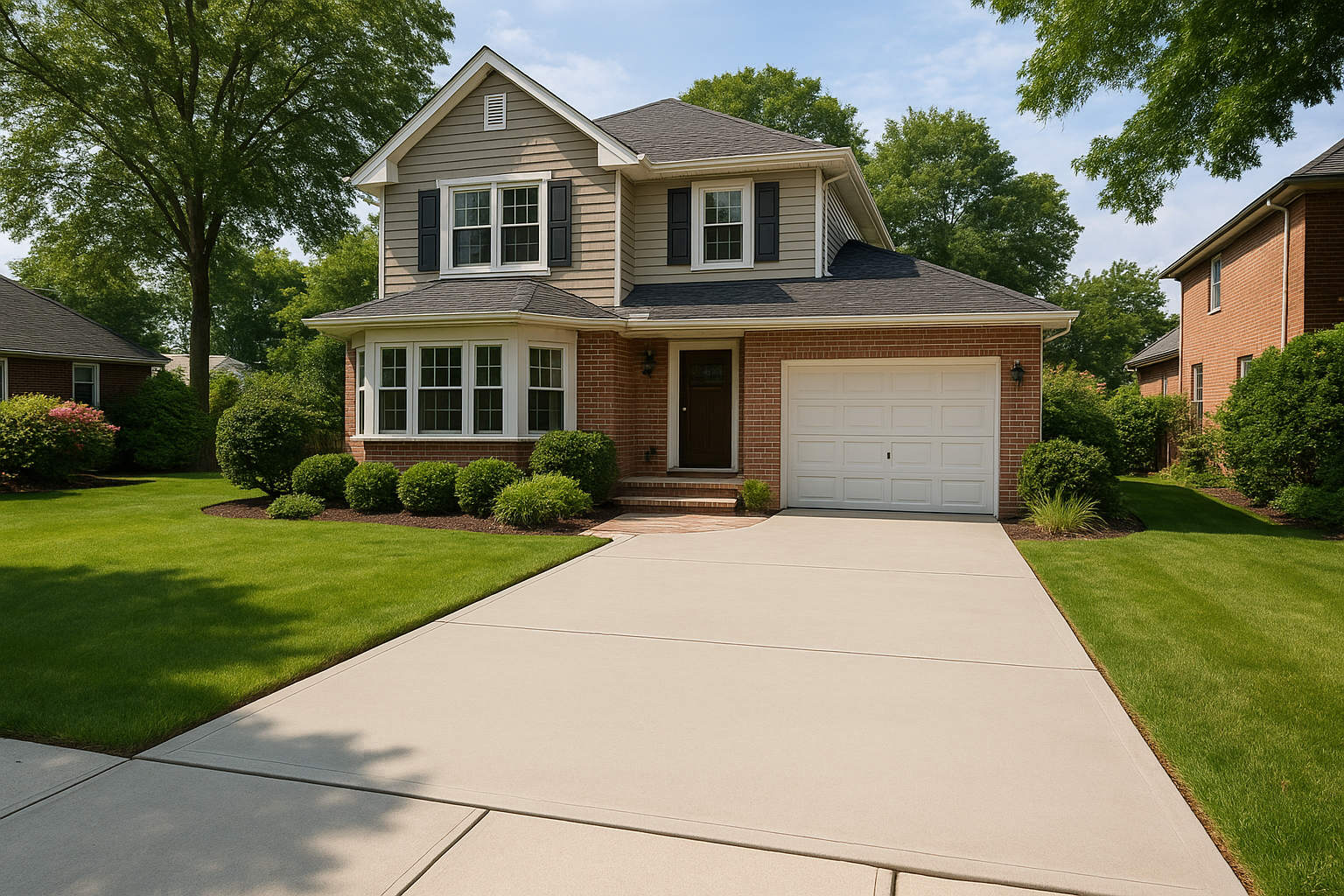
Rockville Centre is a community where many properties are close together, and curb appeal matters. Concrete projects—like driveways, walkways, patios, steps, and slabs around outdoor living spaces—often need to be planned with both function and appearance in mind. Long Island Mason & Concrete offers practical concrete solutions that help you enhance your property while working within the realities of your site.
Common Projects We Can Help With
- Driveways: New concrete installs and improvements designed to handle everyday traffic and weather exposure.
- Sidewalks and walkways: Upgrades and repairs to improve safe, clean access around your home.
- Patios and outdoor slabs: Functional surfaces for relaxing and entertaining, built for long-term use.
- Concrete repairs: Fixing cracks, uneven sections, spalling, and other damage that can worsen over time.
- Steps and entry features: Concrete work that helps create a safer, more inviting approach to your home.
How to Access Concrete Services Locally
Getting started is simple. When you contact Long Island Mason & Concrete, you can share what you want to improve and how you’re using the space today. A clear conversation up front helps the team understand your goals and your property conditions, including access limitations, drainage considerations, and the type of concrete work you need.
To make your first call or message more productive, consider having the following ready:
- A brief description of the project (repair vs. replacement, and the general area involved)
- Photos of the existing concrete and any areas that need attention
- Any timing considerations (for example, if you’re planning work around seasonal use)
- Whether you’re focused more on appearance, performance, or both
What You Can Expect From a Professional Approach
Concrete is all about the details—site prep, proper base support, correct placement, and finishing that matches your goals. Working with a contractor like Long Island Mason & Concrete helps you reduce guesswork and align the work with how you want the final surface to perform.
Depending on the project, a professional plan often includes:
- Site assessment: Understanding the existing conditions and where problems are coming from.
- Project planning: Discussing scope, scheduling, and how work will fit your property.
- Concrete installation or repair: Using proven methods for durable results.
- Completion and walkthrough: Reviewing the finished work so you feel confident in the outcome.
Benefits for Homeowners and Property Owners
Concrete projects can have a big impact on everyday life—safer paths, smoother driveways, and outdoor spaces that look inviting. With Long Island Mason & Concrete, residents can expect workmanship focused on durability and a practical approach that respects your property. Whether you’re addressing damage that’s already showing or planning an upgrade, local service means you can talk directly with the team about your needs and move forward with confidence.
Ready to Get Started?
If you’re in Rockville Centre and looking for reliable concrete work, reach out to Long Island Mason & Concrete to discuss your project. Clear communication and careful planning are key, and the team can help you determine the best path forward—repair, replacement, or a new concrete installation—based on your goals.
Why Rockville Centre Homeowners Choose Local Concrete Help
Rockville Centre, NY is known for its neighborhoods and well-kept homes, where small improvements can make a noticeable difference. Concrete surfaces are a daily part of life—driveways, sidewalks, and patios see constant use and weather exposure. When concrete starts to crack, settle, or wear unevenly, it can affect both curb appeal and safe movement around your property.
That’s why local, dependable concrete service matters. Long Island Mason & Concrete understands the kinds of challenges homeowners commonly face in the area, including how existing slabs perform over time and how repairs or replacements can be planned around real property access and everyday routines. You get a partner who can talk through your goals, assess what’s going on with your concrete, and help you choose a practical solution.
Whether you’re planning a new outdoor space or tackling repairs before they worsen, working with a contractor who serves the Rockville Centre area can help you move from ideas to clear next steps—so your property looks better and stays functional season after season.
Frequently Asked Questions About Concrete in Rockville Centre, NY
What types of concrete services are commonly available in Rockville Centre, NY?
Concrete contractors typically handle a range of projects, including new concrete slabs for patios, walkways, driveways, and foundations; concrete replacement; concrete resurfacing or patching; and decorative options like stamped or colored concrete. They can also address drainage-related issues such as correcting minor grading problems that cause water to pool. For the best fit, share the existing condition, your intended use (traffic load, appearance goals), and approximate dimensions.
How do I know whether I need concrete repair versus full replacement?
Repair is often appropriate when the damage is limited—such as hairline cracks, small spalls, or localized settling—provided the underlying slab is still stable. Replacement may be recommended when there are wide cracks, significant heaving or sinking, deep deterioration, or multiple failing patches. A contractor should assess whether water is infiltrating, whether there’s ongoing movement, and if the slab remains level and structurally sound. A thorough inspection helps avoid repeating the same issue.
What causes cracks in concrete, and how can they be prevented?
Cracking can result from shrinkage during curing, temperature swings, improper base preparation, insufficient thickness, or lack of proper joints and reinforcement. Water issues—like poor drainage or soil moisture changes—can also contribute. Prevention usually starts with a well-prepared subbase, correct thickness for the intended load, appropriate reinforcement, and planned control joints placed at the right intervals. After installation, following curing recommendations and protecting the surface from early freeze-thaw or heavy loading can reduce problems.
Can concrete be poured over existing concrete, or will it need to be removed first?
Sometimes an overlay is possible, but it depends on the existing slab’s condition. If the old concrete is badly broken, severely uneven, or has widespread structural movement, removal and proper base rework are usually the better route. If the existing surface is relatively stable, a contractor may prepare it by cleaning, repairing cracks, and applying bonding methods before placing the new layer. The goal is to prevent transferring failures from the old slab into the new work.
How long does concrete curing take, and when can I use the surface?
Curing time depends on the concrete mix, weather conditions, and the thickness of the pour. Concrete needs time to gain strength, and early use can cause surface damage, cracking, or reduced performance. Many projects are kept off for at least several days, while full strength typically develops over a longer period. Your contractor should provide clear, project-specific guidance based on the scope—like driveway thickness versus a decorative patio—and the local temperature and moisture conditions.