Introduction
Your driveway is one of the first things visitors notice and one of the most functional parts of your property. Concrete is a popular driveway material because it’s durable, versatile, and relatively low maintenance. This guide walks you through types of concrete driveways, design and planning considerations, installation steps, maintenance and repair tips, cost expectations, and aesthetic and environmental options so you can make confident decisions for your home.
Types of Concrete Driveways
Plain (Broom-Finished) Concrete
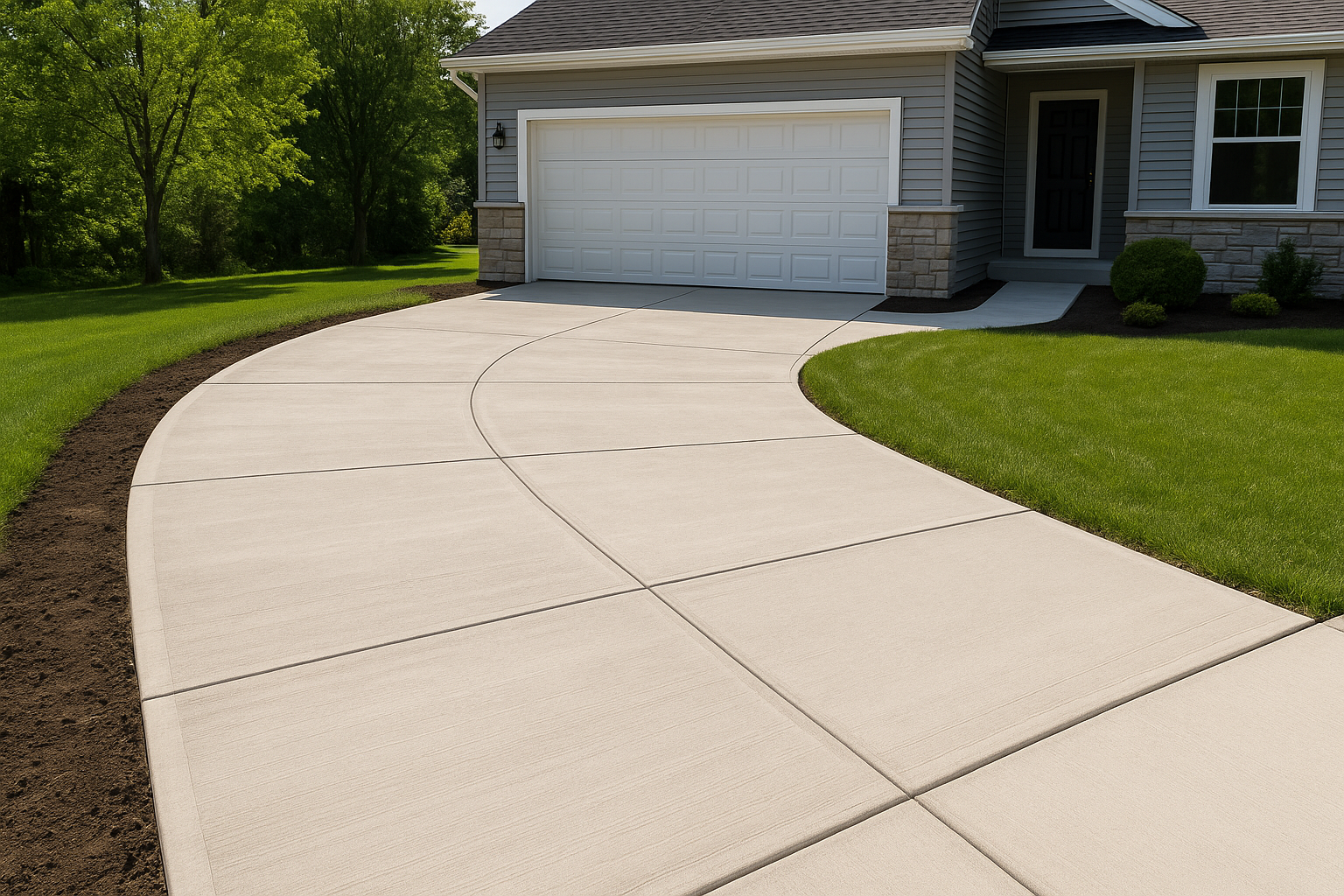
Plain concrete is the most economical option. A broom finish creates a textured, slip-resistant surface. It’s durable and easy to maintain but offers limited visual variety.
Stamped Concrete
Stamped concrete can mimic brick, stone, or tile and is popular for homeowners who want a high-end look without the cost of natural materials. Stamping requires skill at the time of finishing to get consistent patterns and joints.
Exposed Aggregate
Exposed aggregate reveals the stones within the concrete for a textured, decorative finish. It’s slip-resistant and attractive, though it may require more frequent sealing to maintain appearance.
Colored and Stained Concrete
Integral color, stains, or dyes provide long-lasting color options. Integral color mixes pigment into the concrete, while stains penetrate the surface for a variegated look. Both allow customization to match your home’s exterior.
Design and Planning Considerations
Driveway Width and Layout
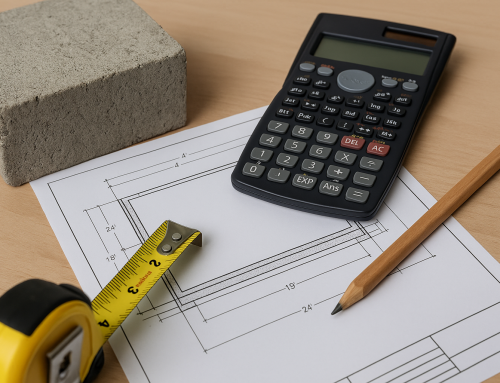
Plan width based on vehicle size and turning radius. A single-car driveway is usually 8–10 feet wide; double-car driveways are 16–24 feet. Include space for sidewalks, plant beds, and snow storage if applicable.
Soil and Drainage
Proper drainage prevents pooling and freeze-thaw damage. Evaluate slope and soil type. You may need a gentle slope away from the house and catch basins or French drains in low spots.
Thickness and Reinforcement
Standard residential driveways are typically 4 inches thick for passenger vehicles and 5–6 inches or reinforced with rebar or mesh for heavier loads. Good reinforcement and a compacted base are essential for longevity.
Installation Process
Site Preparation
Remove vegetation and topsoil, then compact a 4–8 inch aggregate base. A well-prepared base is the foundation of a successful driveway and helps prevent settling and cracking.
Forming and Pouring
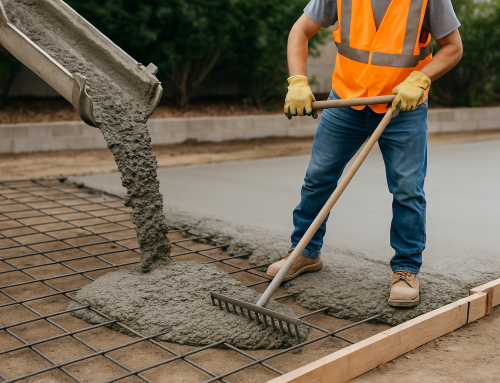
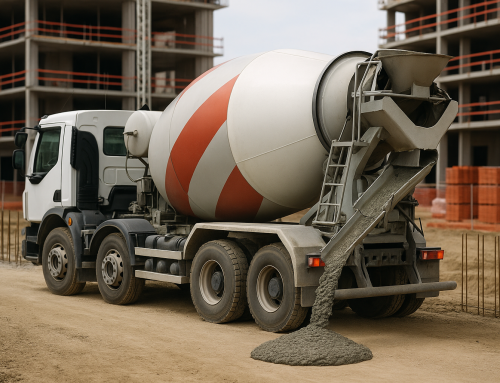
Set forms to hold the concrete shape and pour in consistent lifts. Use expansion joints and control joints to manage cracking. Professionals aim for a single continuous pour for uniformity when possible.
Finishing and Curing
Finish the surface according to the chosen style—broom for plain, stamping tools for patterns, or wash techniques for exposed aggregate. Cure the concrete properly by keeping it moist for at least 7 days to develop strength and reduce surface cracking.
Maintenance and Repair
Routine Maintenance
Keep the surface clean by sweeping and occasional power washing. Apply a high-quality sealer every 2–4 years for decorative finishes and every 3–5 years for plain concrete to protect against stains and deicing salts.
Crack Repair
Small cracks can be filled with a concrete patch or elastomeric filler. For larger or recurring cracks, consult a contractor to assess subbase problems or the need for partial replacement.
Stain Removal and Resurfacing
Use appropriate cleaners for oil, rust, and tire marks. If the surface becomes uneven or worn, consider resurfacing overlays for cosmetic renewal without full replacement.
Cost and Lifespan
Cost Factors
Costs vary by region, materials, thickness, finishes, site prep, and labor. Plain concrete is the most affordable, stamped and colored options raise costs, and complex grading or drainage work will add to the budget.
Expected Lifespan
With proper installation and maintenance, concrete driveways typically last 25–40 years. Climate, traffic load, and maintenance level are major determinants of longevity.
Environmental and Aesthetic Considerations
Permeable concrete options help manage stormwater runoff and reduce strain on municipal systems. Lighter-colored concrete reflects heat better than asphalt, reducing urban heat island effect. Pair concrete with landscaping, lighting, and edging to enhance curb appeal.
Conclusion
Concrete driveways offer durability, design flexibility, and long-term value when properly planned and maintained. Choose the right finish, ensure correct site preparation and curing, and follow a simple maintenance schedule to keep your driveway looking and performing its best for decades.