Introduction
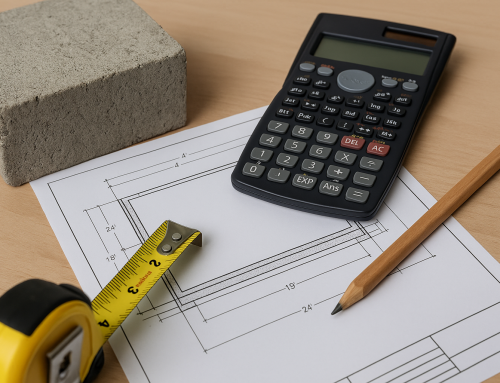
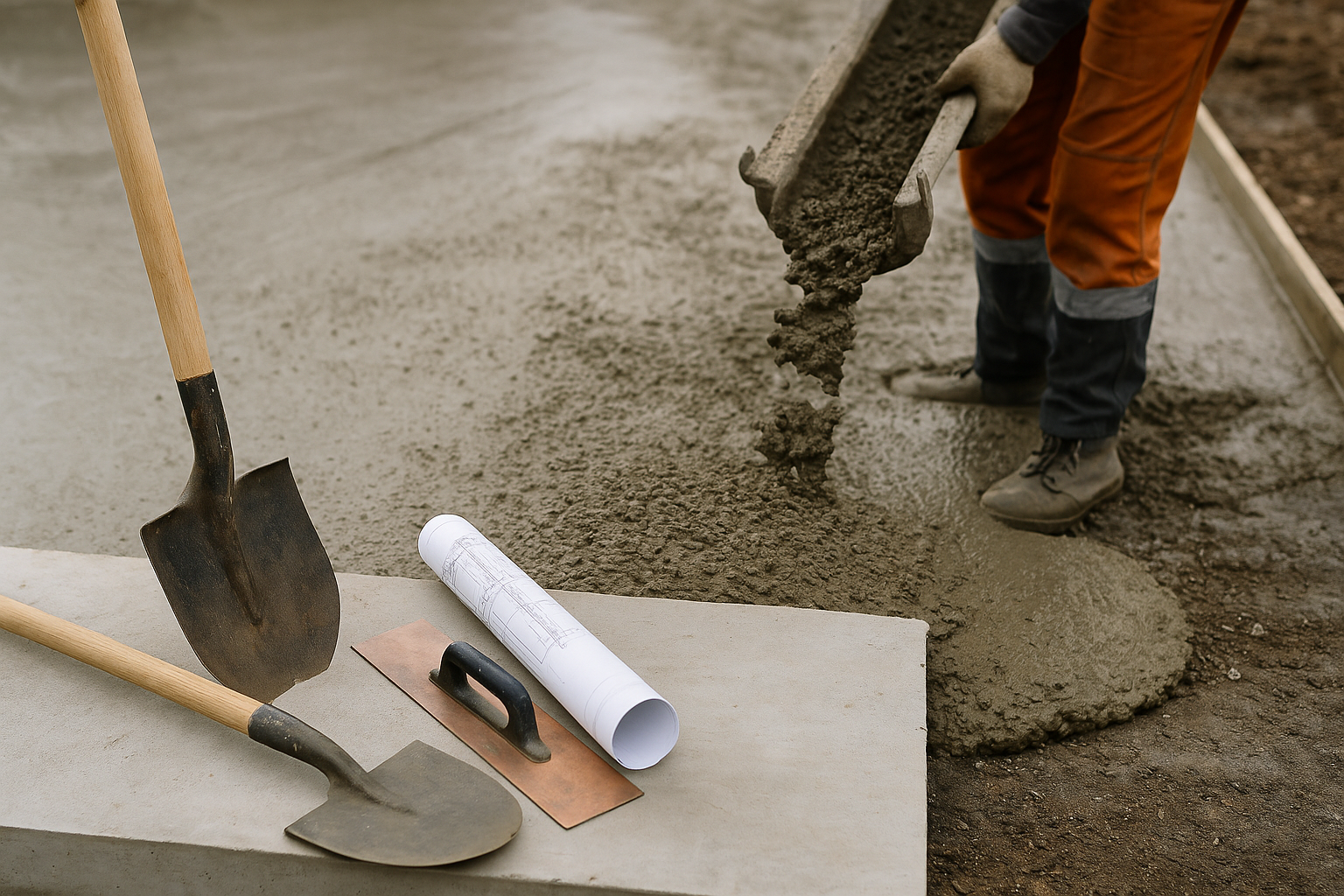
Concrete work is a foundational skill in construction and home improvement. From building strong foundations to crafting smooth driveways and decorative patios, understanding the key steps — planning, material selection, proper pouring, finishing, and maintenance — ensures durable, attractive results. This guide breaks down practical, professional advice for both DIYers and contractors.
Types of Concrete Work
Foundations
Foundations are perhaps the most critical concrete application. Footings, strip foundations, and slab-on-grade systems must be designed to carry structural loads, resist moisture, and accommodate soil conditions. Properly poured and cured foundations protect buildings from settlement and water damage.
Slabs
Concrete slabs are used for floors, basements, and garages. A well-prepared subgrade, adequate reinforcement, control joints, and correct finishing all contribute to a long-lasting slab that resists cracking and uneven settlement.
Driveways & Patios
Driveways and patios must withstand traffic, weather, and sometimes freeze-thaw cycles. Choices include plain concrete, broom finish, stamped concrete for decorative patterns, and colored or stained surfaces for aesthetics.
Decorative Concrete
Decorative options include stamping, staining, exposed aggregate, polishing, and overlays. These techniques enhance curb appeal while still relying on the durability of concrete when done correctly.
Planning & Preparation
Site Assessment
Evaluate drainage, soil type, slope, and accessibility. Poor drainage or unstable soils require correction before pouring. Mark utilities and clear the area to prevent delays.
Permits & Codes
Check local building codes and obtain necessary permits. Many areas require inspections for foundations, footings, and structural elements.
Subgrade & Formwork
A solid subgrade and accurate formwork are essential. Compact the soil, add a gravel base for drainage, and build sturdy forms to hold the concrete in place until it cures.
Materials & Mixes
Cement
Portland cement is the primary binder. Choose the appropriate cement type for structural needs and environmental conditions.
Aggregates
Coarse and fine aggregates (gravel and sand) influence strength, workability, and finish. Clean, well-graded aggregates produce better concrete.
Water & Admixtures
Water quality and quantity affect strength and curing. Admixtures like plasticizers, accelerators, retarders, and air-entraining agents help tailor concrete performance for weather and placement conditions.
Choosing the Right Mix
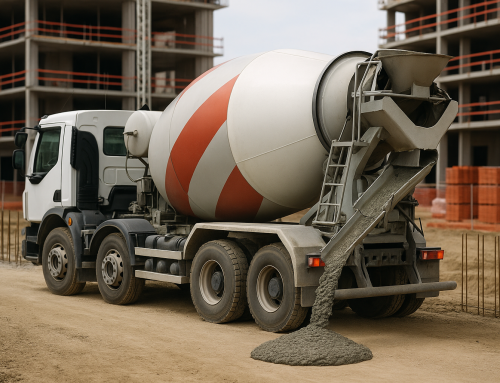
Select concrete strength (e.g., 3000–4000 psi for common residential uses) and slump suitable for placement. Ready-mix suppliers can provide custom mixes for specific projects.
Pouring & Finishing
Pouring Best Practices
- Plan the pour sequence to minimize cold joints.
- Place concrete as close to final position as possible to avoid segregation.
- Use vibration or tamping to remove air pockets without overworking the mix.
Finishing Techniques
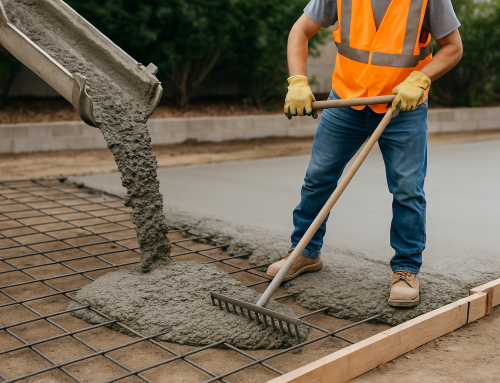
After screeding and leveling, use bull floats and trowels to achieve the desired surface. For outdoor slabs, a broom finish improves traction. Timing matters: finish too early or too late and you risk surface defects.
Curing & Maintenance
Curing preserves moisture so concrete gains strength properly. Common methods include wet curing, curing compounds, and covering with plastic. Maintain concrete by sealing surfaces where appropriate, cleaning stains promptly, and addressing drainage issues to prevent freeze-thaw damage.
Common Problems & Repairs
Cracking
Hairline cracks can occur from shrinkage; control joints and proper curing reduce risk. Structural or large cracks may need epoxy injection or replacement of affected sections.
Spalling
Spalling (surface flaking) often results from freeze-thaw cycles, deicing salts, or poor finishing. Repair options include resurfacing overlays or targeted patching compounds.
Staining
Oil, rust, and organic stains should be treated with appropriate cleaners. For decorative concrete, resealing periodically helps protect against staining and UV fading.
Safety & Regulations
Concrete work involves heavy lifting, chemical exposure, and powered equipment. Use PPE: gloves, eye protection, long sleeves, and respirators when cutting or mixing. Comply with workplace safety standards and local codes to protect workers and occupants.
Cost Considerations
Costs vary by project size, mix design, reinforcement, site access, and finish. Get multiple quotes, consider long-term maintenance costs, and weigh upfront investment in higher-quality mixes or finishes against future repair expenses.
Conclusion
Concrete is versatile, durable, and cost-effective when planned and executed correctly. Prioritize site preparation, choose the right materials, follow best practices for pouring and curing, and perform routine maintenance to maximize the lifespan of any concrete project.