Experienced Concrete Contractors in Plainedge, NY
If you’re planning a concrete project in Plainedge, NY—whether it’s a driveway refresh, a walkway update, or a new concrete slab—the right local contractor makes a big difference in how the finished work holds up over time. Concrete is durable, but it still depends on the details: proper site preparation, correct base material, accurate grading, and quality finishing.
Long Island Mason & Concrete helps homeowners and property owners in and around Plainedge bring concrete plans to life with an emphasis on workmanship you can see and lasting value you can count on. When you choose a contractor familiar with the area’s weather patterns and common property needs, you’re more likely to get a project built for real-world conditions—season after season, year after year.
In this guide, you’ll find practical ways to access concrete services locally, what to expect from the process, and how to prepare for a smooth consultation. If you’re ready to move forward, you can reach Long Island Mason & Concrete to discuss your goals and get a clear plan for your project.
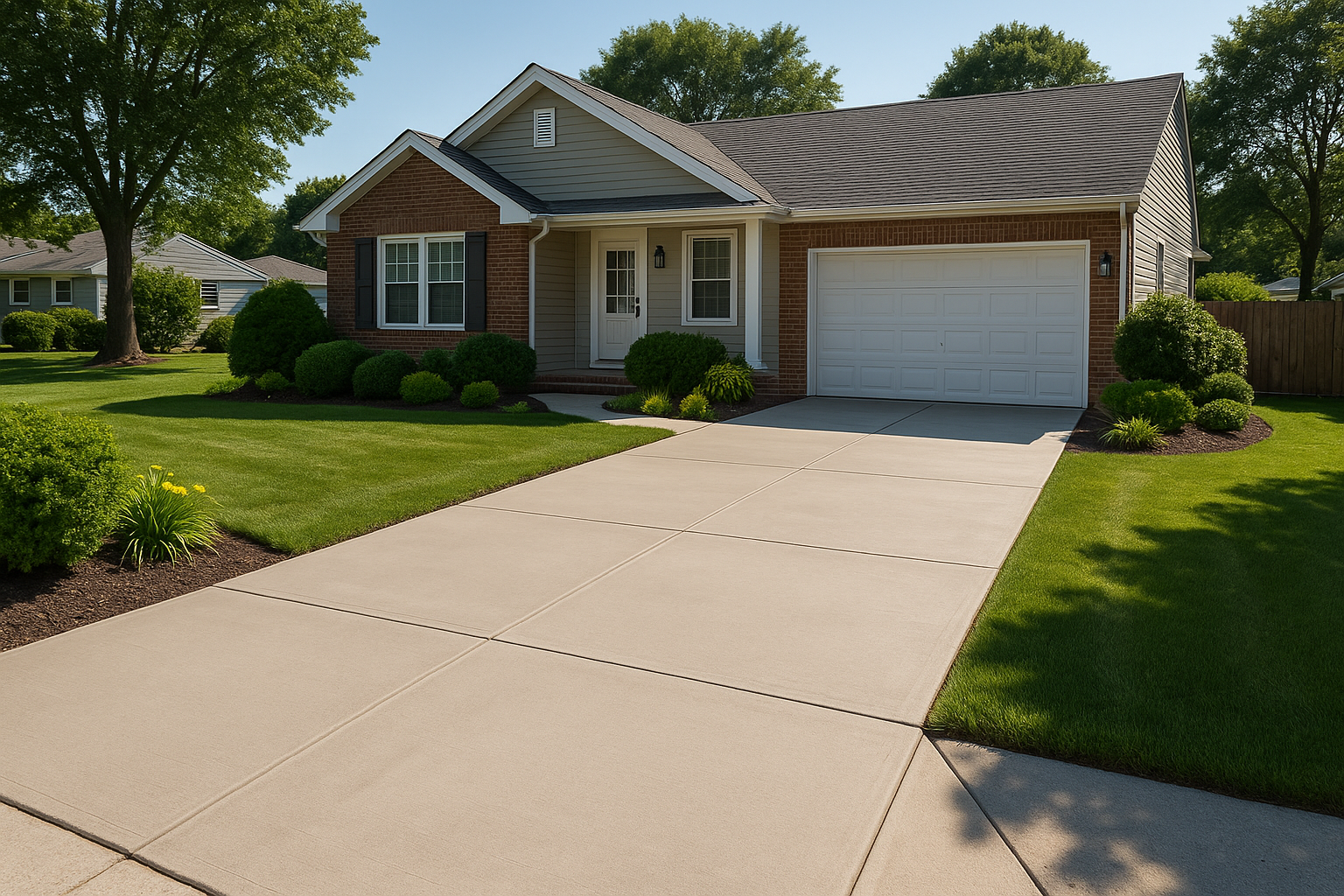
Local concrete services residents can access in Plainedge
Living in Plainedge means your property may experience wide temperature swings and changing seasonal conditions. That’s why it helps to work with a contractor who focuses on concrete quality from start to finish—digging and base prep, reinforcing when needed, accurate forming, and finishing that supports long-term performance.
Long Island Mason & Concrete is a practical choice for residents who want reliable local support for concrete projects such as:
- Driveways and driveway replacements
- Walkways and pathway improvements
- Patios and outdoor concrete surfaces
- Concrete slabs for additions or utility use
- Concrete repair and restoration for existing surfaces
What to consider before scheduling an estimate
Before you request service, it helps to gather a few details so the consultation can move quickly and efficiently. Think about the scope of your project and the condition of the existing concrete (if applicable).
- Project goals: Are you aiming to improve curb appeal, address damage, or prepare for new outdoor living space?
- Existing conditions: Note visible cracking, uneven areas, drainage concerns, or sections that have settled.
- Timing: Tell the contractor when you’d like the work completed, especially if you’re planning around seasonal use of outdoor areas.
- Access and layout: Consider how equipment will reach the work area and whether there are obstacles like landscaping, fences, or tight side yards.
- More consistent results: Better base and forming can help reduce future unevenness.
- Improved durability: Quality finishing and correct curing support longer-lasting surfaces.
- Less disruption: Planning for staging, access, and protection of surrounding areas can help the job stay organized.
Why proper concrete preparation matters
Concrete performance starts before any material is poured. A reputable crew will pay close attention to site preparation and drainage. That includes evaluating the base, ensuring proper grading, and using appropriate materials and reinforcement when the design requires it.
For Plainedge homeowners, this can translate into practical benefits like:
How the process typically works
When you contact Long Island Mason & Concrete, you can expect a straightforward, homeowner-friendly approach. The team will review your project needs, ask clarifying questions, and discuss options that fit your goals. After that, you’ll receive guidance on the scope of work and next steps so you can feel confident moving forward.
If you’re unsure what solution is right for your property—such as whether a repair makes sense or whether a replacement is the better long-term choice—an experienced concrete contractor can help you weigh your options based on what’s happening with your existing slab or surface.
Get concrete built for real Plainedge conditions
Concrete should look good now and continue performing as the seasons change. With the right preparation, materials, and finishing, your project can better handle moisture, temperature shifts, and everyday use. Long Island Mason & Concrete is ready to help Plainedge residents plan and complete concrete work with care, clarity, and craftsmanship.
Why Plainedge homeowners rely on quality concrete
Plainedge is a community where many homes value practical improvements that also enhance everyday comfort and curb appeal. Concrete projects—like driveways, patios, walkways, and slab work—are a common way to upgrade outdoor living spaces while adding dependable, low-maintenance surfaces.
Because Plainedge experiences seasonal weather swings, concrete work needs to be planned with durability in mind. Proper base preparation, correct grading, and thoughtful finishing help reduce issues that can show up over time, such as uneven areas or recurring damage.
That’s where Long Island Mason & Concrete fits well. If you want local service that focuses on craftsmanship and clear project guidance, you can reach out to discuss your concrete needs in Plainedge. Whether you’re considering a new installation or restoring an existing surface, a dependable contractor can help you understand the process and choose options that align with how you use your property.
Frequently Asked Questions About Concrete in Plainedge, NY
What types of concrete services do you handle for Plainedge-area properties?
Concrete work can include new flatwork such as driveways, sidewalks, patios, and steps, as well as repairs like patching spalled areas, resurfacing worn surfaces, and replacing sections that have cracked or settled. Many jobs also involve prep and finishing—grading, forming, reinforcement placement, and proper curing—because the long-term performance depends on those steps as much as the visible surface. If you’re not sure what you need, describe the area and the problem and we can help identify the right approach.
How do you determine whether a concrete crack needs repair or full replacement?
Not every crack means you must replace the slab. Repair may be enough if the crack is mostly cosmetic or stable, with no ongoing movement and minimal trip hazards. Replacement is often considered when there’s significant cracking and spalling, widespread surface failure, or evidence of settlement that causes unevenness. A professional assessment typically looks at crack width, whether edges have shifted, drainage or water pooling, and whether multiple areas show similar damage—factors that affect what will last.
What’s involved in concrete driveway or patio installation to help it last?
A durable installation starts with site preparation: removing unsuitable material, achieving proper base thickness, and compacting for strength and drainage. Forms and reinforcement are set according to the design, then the concrete is placed, leveled, and finished using the appropriate texture and edge details. Curing is key—keeping the surface properly moist and protected during the critical early period helps reduce surface cracking. Good sealing decisions may also be discussed depending on exposure to freeze-thaw conditions.
Can you repair concrete that has spalling or flaking on the surface?
Spalling and flaking usually indicate the concrete surface has deteriorated, sometimes from moisture intrusion or freeze-thaw stress. Repairs often begin with removing all loose and unsound material to reach solid concrete, then cleaning the area thoroughly so the patch bonds correctly. Depending on the cause, additional steps like addressing drainage or treating underlying moisture issues may be recommended. After patching, the surface is finished to match as closely as possible and protected during curing for better durability.
Do you offer concrete resurfacing or overlays, and when is it a good option?
Resurfacing can be a practical choice when the existing slab is still structurally sound but the surface is worn, stained, or lightly damaged. It’s typically used when cracks are limited and there’s no major settlement or widespread failure. The process generally includes cleaning, preparing the surface for bonding, applying the overlay or resurfacing system, and finishing to the desired texture for traction. A careful inspection is important to confirm that resurfacing won’t hide a deeper problem that needs repair or replacement.