Experienced Concrete Contractors in Uniondale, NY
If you’re planning a concrete project in Uniondale, NY, getting the details right up front can make a big difference in durability, appearance, and how smoothly the work fits your schedule. From driveways and walkways to patios and foundation-related repairs, choosing a contractor who can handle the full process—planning, prep, concrete placement, and finishing—helps protect your investment.
Long Island Mason & Concrete serves the Uniondale area with practical, hands-on support for homeowners and property managers. Whether you’re upgrading curb appeal, repairing cracks, or replacing worn surfaces, you’ll want clear communication, careful site preparation, and concrete work done to last through seasonal temperature swings and everyday use. This page is designed to help you understand what to expect when you’re ready to access local concrete services, how to prepare for an estimate, and how to choose the right approach for your project.
Scroll through the sections below to learn how local concrete contractors can help, what questions to ask, and how to move from idea to a finished result with confidence.
Concrete Services Residents Commonly Need in Uniondale
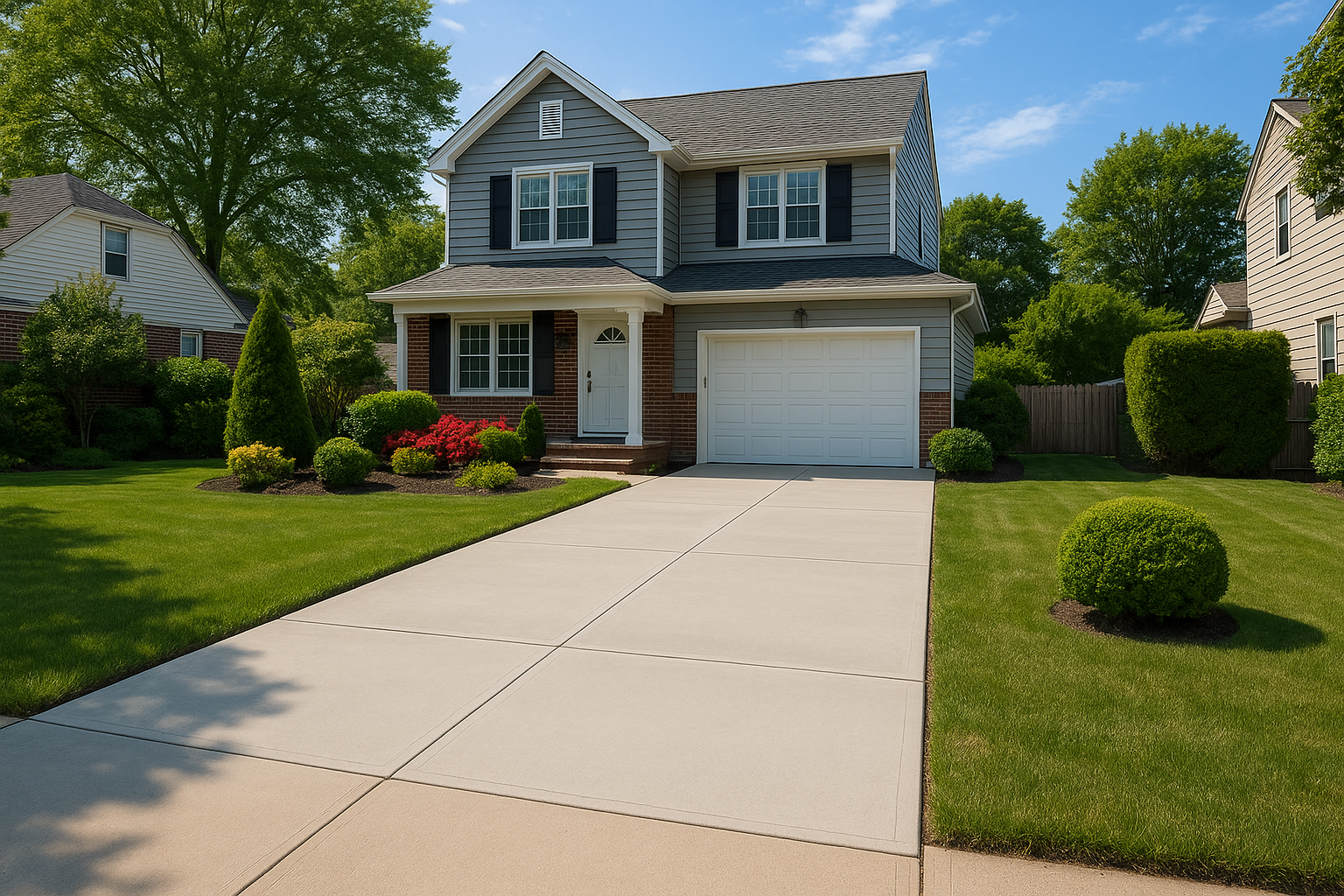
Concrete is a long-lasting material, but it still needs the right design and installation for your property. In Uniondale, local conditions and everyday traffic can take a toll on surfaces over time—especially if the base wasn’t built correctly or if drainage issues were overlooked. Long Island Mason & Concrete focuses on getting the job done with solid preparation and finishing so your concrete performs the way it should.
-
Driveways: Replacement, resurfacing, or repairs to improve look and function.
-
Walkways and steps: Smooth, safe access routes that hold up to frequent use.
-
Patios and slabs: Durable surfaces for outdoor living and entertaining.
-
Concrete repairs: Crack repair and patching to address visible wear and prevent small problems from spreading.
-
Site-ready coordination: Help with planning around the work area so the project can move forward efficiently.
Why Local Concrete Access Matters
When you work with a local concrete contractor, you’re not just hiring labor—you’re tapping into experience with regional work conditions and jobsite realities. Uniondale properties often require thoughtful attention to grading, drainage, and proper curing practices to support long-term performance. A local team can also help you plan around timing and access so the project fits your routine as much as possible.
What to Expect When You Request Service
To make the process easier, start by describing what you want to improve and what you’re noticing now. Long Island Mason & Concrete can guide you through the key steps that typically include:
-
Assessment and measurements: Understanding the existing surface, edges, and any problem areas.
-
Site preparation discussion: Reviewing base preparation needs and how drainage and transitions will be handled.
-
Material and finishing options: Choosing the look and finish that matches your property and your goals for maintenance.
-
Project scheduling: Aligning work with weather and jobsite access considerations.
-
Quality-focused installation: Proper placement, consolidation, and finishing for a clean, consistent result.
Concrete work is detail-driven. When the prep and finishing are done right, you’re more likely to get a surface that stays level, resists premature deterioration, and looks sharp after installation.
How to Prepare for an Estimate
You can help your contractor move faster and keep the estimate accurate. Before you reach out, gather a few details:
-
When the issue started (cracks, sinking, uneven areas, or surface wear).
-
Any photos of the affected area from different angles.
-
What you’d like to accomplish—repair vs. replacement, and whether you’re aiming for better curb appeal or improved safety.
-
Any access considerations (gate width, parking constraints, landscaping to protect, or nearby utilities).
If you’re replacing existing concrete, it’s also helpful to mention what you want to keep and what can be removed or adjusted. That way, the plan can reflect your property’s real setup.
Benefits of Choosing the Right Concrete Contractor
Professional concrete work can protect your property and your time. With Long Island Mason & Concrete, residents can expect a service approach built around clear communication, careful preparation, and a finished result designed for daily use. Whether you’re tackling a driveway update or need repairs to restore a safe walkway, the goal is the same: concrete that looks good, performs well, and supports your long-term plans for your home or property.
Uniondale, NY and Your Concrete Project
Uniondale is a community where homes and properties benefit from practical upgrades that improve both appearance and day-to-day usability. Concrete surfaces—like driveways, walkways, patios, and entry steps—see constant movement from foot traffic, vehicles, and seasonal weather. Over time, that usage can lead to cracking, uneven areas, or surface wear that makes repairs more than just cosmetic.
For residents in Uniondale, choosing a local concrete contractor can help ensure the work is planned with the property in mind, including base preparation, drainage considerations, and finishing details that support durability. The right approach can make your outdoor areas safer and more attractive while helping reduce the likelihood of repeated problems.
Long Island Mason & Concrete is a strong fit for Uniondale homeowners and property managers who want straightforward, dependable concrete support—whether you’re planning a new installation or restoring an existing slab. Getting the details right the first time is especially important when you want a finished surface that stays dependable through everyday use.
Frequently Asked Questions About Concrete in Uniondale, NY
What types of concrete services are available for homeowners in Uniondale, NY?
Concrete work can include new flatwork such as driveways, sidewalks, patios, and steps, as well as concrete repairs like patching spalled areas, filling cracks, and resurfacing worn surfaces. If you’re planning upgrades, contractors may also handle demolition and removal of old concrete before replacing it. For projects like stamped or colored concrete, ask about the process, surface preparation, and curing time so you know what to expect from start to finish.
How do I know whether to repair existing concrete or replace it?
A good rule of thumb is to consider the extent and cause of the damage. Hairline cracks may be stable enough for patching or sealing, while wide cracks, uneven settling, or sections that are lifting can require replacement for safety and long-term performance. If concrete is spalling, crumbling, or draining poorly due to slope issues, full replacement is often the practical choice. A visual inspection helps determine whether reinforcement, subgrade correction, or demolition is needed.
How is the concrete installation process different for a driveway versus a sidewalk?
While both rely on proper base preparation and correct finishing, the design and performance expectations can differ. Driveways typically need to support heavier and repeated vehicle loads, so the subgrade, thickness, and reinforcement choices matter. Sidewalks focus more on pedestrian safety, smoothness, and uniform grading. Finishing steps like edging, joint placement, and curing are also critical for both to help minimize cracking and surface deterioration over time.
What should I expect regarding curing, weather, and drying time?
Concrete needs time to cure and gain strength, and the timeline can vary based on mix design, thickness, and weather conditions. In general, concrete should be protected from freezing temperatures and heavy rain during early curing. Humidity and temperature affect how quickly surface moisture leaves and how soon you can walk or drive on it. Ask your contractor what curing method and timeline they follow for your specific project and when it’s safe to use the area.
How can I maintain my concrete to prevent cracks, spalling, or staining?
Maintenance starts with keeping water under control—avoid letting sprinklers spray directly onto concrete and ensure surface drainage is consistent. For outdoor slabs, regular cleaning helps remove dirt and organic buildup that can accelerate wear. Sealing may help reduce staining and moisture penetration, but timing and product choice depend on the concrete’s age and condition. For crack care, small, stable cracks can often be addressed with appropriate fillers, while active or widening cracks may indicate a deeper movement issue.