Expert Concrete Services in Montauk, NY
When you need concrete work you can rely on, choosing a local team makes a difference in how quickly you can get answers and how smoothly your project moves from planning to completion. Long Island Mason & Concrete helps homeowners and property managers in and around Montauk handle concrete needs with a practical, detail-focused approach—whether the work involves a clean repair, a durable installation, or an outdoor upgrade that fits how you actually use your space.
Concrete is a long-term investment, and Montauk’s coastal environment can be tough on surfaces. That’s why residents look for contractors who understand site conditions, drainage considerations, and the importance of proper prep and finishing. If you’re planning a new walkway, driveway, patio, or other concrete feature—or if existing concrete has cracked, spalled, or settled—getting local guidance early can help you avoid more damage and extra expense later.
On this page, you’ll find clear ways to access concrete services locally, what to expect during the process, and how to prepare for a project so you can make confident decisions with Long Island Mason & Concrete.
Concrete Services Residents Can Access Locally in Montauk
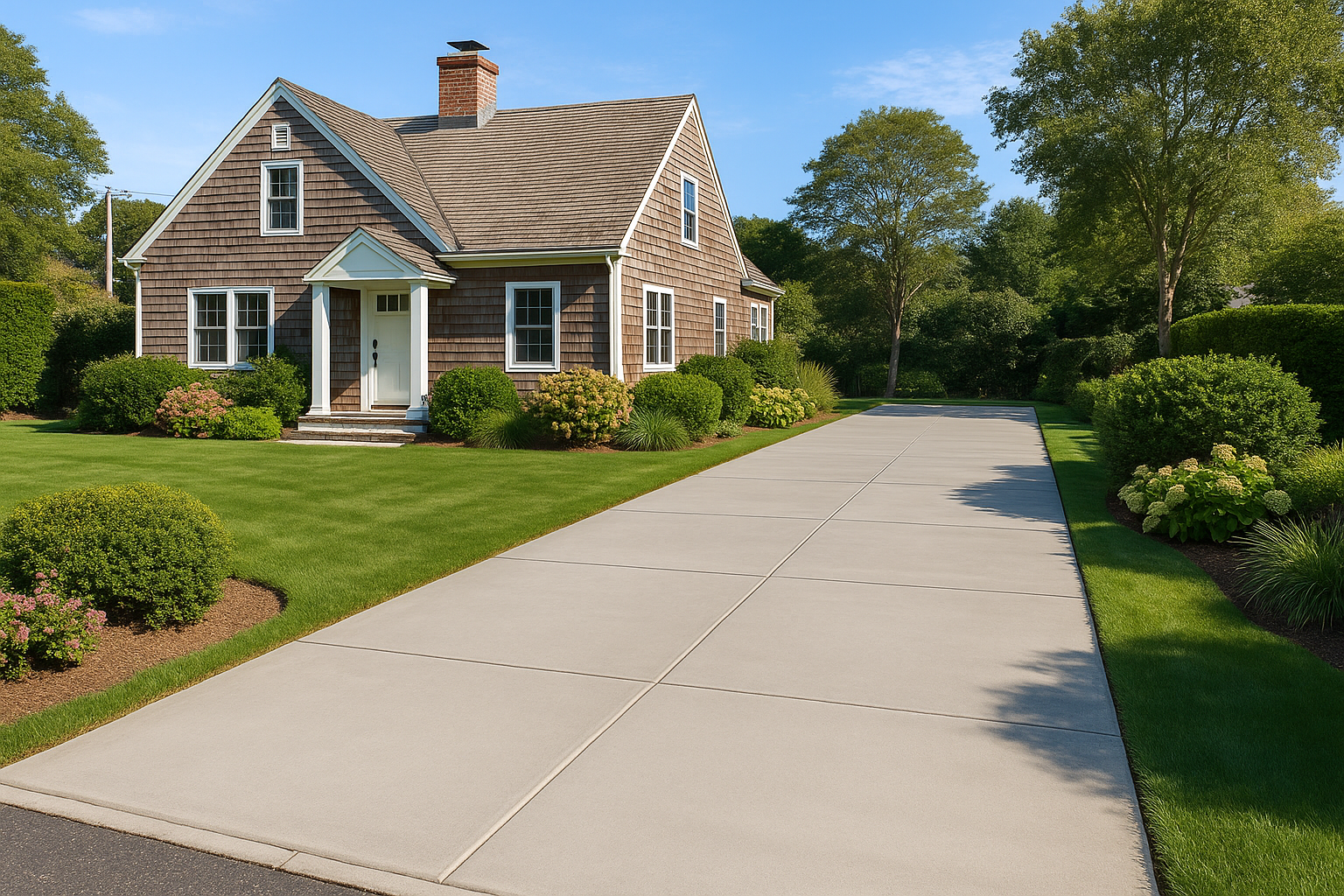
Long Island Mason & Concrete is set up to support clients who want dependable concrete work without guesswork. The fastest way to get started is to reach out with a short description of what you need and where the work will be done. From there, a team member can help you think through the right scope, the materials and finishes that fit your goals, and next steps for scheduling.
Common Concrete Projects for Montauk Properties
Many Montauk homeowners and businesses reach out for concrete improvements that enhance appearance and daily function. Depending on your property and the condition of existing concrete, Long Island Mason & Concrete can help with:
- Driveway and walkway concrete installation or replacement
- Patios and outdoor living surface upgrades
- Concrete repair for cracks, spalling, or uneven areas
- Steps, landings, and other exterior concrete features
- Concrete restoration to improve curb appeal and usability
Every project starts with understanding what you want to achieve and what the existing site conditions will require. That’s where careful assessment matters.
Why Local Concrete Work Matters Near the Coast
Montauk’s coastal conditions can bring additional challenges for outdoor surfaces. Concrete is engineered for durability, but performance depends on the quality of preparation, drainage planning, and finishing details. Choosing a team that focuses on the fundamentals—subgrade readiness, correct installation practices, and a finish suited to your environment—helps concrete hold up better over time.
Whether you’re planning new concrete or addressing concrete that’s failing, addressing issues early can help you reduce the likelihood of small problems turning into larger, more costly repairs.
What to Expect When You Contact Long Island Mason & Concrete
- Project discussion: You share what you’re building or repairing, your timeline, and any concerns you’ve noticed with the current concrete.
- On-site evaluation: The team reviews the area and existing conditions so the plan matches your property—not just a generic approach.
- Clear next steps: You’ll have a better understanding of what can be done, how the work is approached, and how to prepare for the project.
- Work focused on longevity: Installation and repairs are completed with durability in mind so the finished surface looks good and performs well.
To speed things up, it helps to be ready with basic details like where the concrete is located (front entry, backyard patio, driveway area), whether the issue is cracking, settling, or surface wear, and any photos you have on hand.
How to Prepare for Your Concrete Project
Before work begins, take a moment to confirm access to the area and remove items that could limit staging or placement. If your project is a repair or replacement, note whether there are utilities, drainage patterns, or adjacent landscaping that could affect the work. A quick conversation with Long Island Mason & Concrete can help you avoid surprises and keep the project moving.
If you’re not sure whether you need repair or replacement, that’s normal. Many homeowners start with a visible symptom—like cracking or uneven sections—and the right evaluation will determine the most cost-effective, long-lasting path forward.
Get Local Help for Your Concrete Needs in Montauk
Concrete work can be straightforward when you have the right local partner. Long Island Mason & Concrete is here to help Montauk residents tackle concrete installations and repairs with care, clarity, and a focus on practical results you can enjoy for years.
Montauk, NY and Your Concrete Needs
Montauk is a coastal community where outdoor spaces matter—driveways, walkways, and patios get daily use and take on the effects of salt air and changing weather. When concrete is properly installed or thoughtfully repaired, it helps properties stay functional, safer to walk on, and easier to maintain through the seasons.
Because conditions can shift over time, many residents look for solutions that address both performance and appearance. Whether you’re upgrading an exterior surface or dealing with cracks, uneven spots, or wear, the right concrete approach can make your property feel more inviting and help prevent minor issues from growing.
Working with Long Island Mason & Concrete locally also supports a smoother process. You can talk through your goals, get guidance based on real site conditions, and move toward next steps with confidence. If you’re ready to improve your Montauk property with concrete you can count on, reaching out is the first step.
Frequently Asked Questions About Concrete in Montauk, NY
How do I choose the right type of concrete for a driveway or walkway in Montauk?
Choosing concrete depends on your project’s use and exposure. Driveways and walkways typically need a mix designed for durability and abrasion resistance, while decorative patios may use a smoother finish or colored options. Consider whether you want broom-finished traction, stamped or stained aesthetics, and how often the area gets wet or exposed to freeze-thaw conditions. A concrete contractor can help match the mix and finish to your goals and site conditions.
What’s involved in preparing the site before concrete is poured?
Good concrete starts with proper preparation. The area is usually excavated to the right depth, then graded for proper drainage so water doesn’t pool. Soil is compacted to reduce settling, and forms are set to achieve consistent edges and thickness. For slabs, a base material may be installed and leveled. If needed, reinforcement such as rebar or wire mesh is placed to help control cracking in high-stress areas.
How long does concrete take to cure, and when can we use it?
Concrete cure time varies by mix design, weather, thickness, and finishing method. During curing, the slab gains strength gradually, and rushing the process can lead to surface damage or cracking. Contractors typically protect fresh concrete from wind, rain, and extreme temperatures. Ask what cure timeline to plan for your specific thickness and finish, and whether any saw cutting, sealing, or additional finishing steps will be scheduled after the initial set.
Can concrete be repaired if it cracks or settles after installation?
Yes, many concrete issues can be repaired, but the best approach depends on why the damage happened. Hairline cracks may be sealed to help reduce moisture intrusion, while wider cracks or spalling may require patching and sometimes joint or base repairs. If a slab has settled unevenly, lifting or re-leveling may be considered before patching to avoid repeat failure. A thorough inspection helps determine whether the fix is surface-only or requires addressing underlying support.
Do you recommend sealing concrete, and what maintenance should I expect?
Sealing can help reduce staining and moisture penetration, which is especially useful for driveways, patios, and walkways that see frequent use. Whether it’s recommended depends on the concrete type, finish, and exposure to water and de-icing chemicals. Maintenance usually includes keeping the surface clean, promptly removing spills, and addressing small cracks early before they grow. For longevity, follow the care steps recommended for your specific finish and sealant type.