Expert Concrete Services in South Farmingdale, NY
If you’re planning a new driveway, upgrading a patio, or repairing concrete that’s started to crack, getting local, hands-on service matters. In South Farmingdale, weather changes, soil conditions, and everyday use can all take a toll on concrete surfaces over time.
Long Island Mason & Concrete helps homeowners and property managers move projects forward with clear communication, practical recommendations, and concrete work designed for real life. Whether the goal is improved curb appeal or a more durable, safer surface, a properly planned concrete project can make a noticeable difference.
This page explains how residents in South Farmingdale can access concrete services locally. You’ll find guidance on what to consider before you call, how the process typically works, and the concrete options commonly requested in the area—so you can feel confident about your next step.
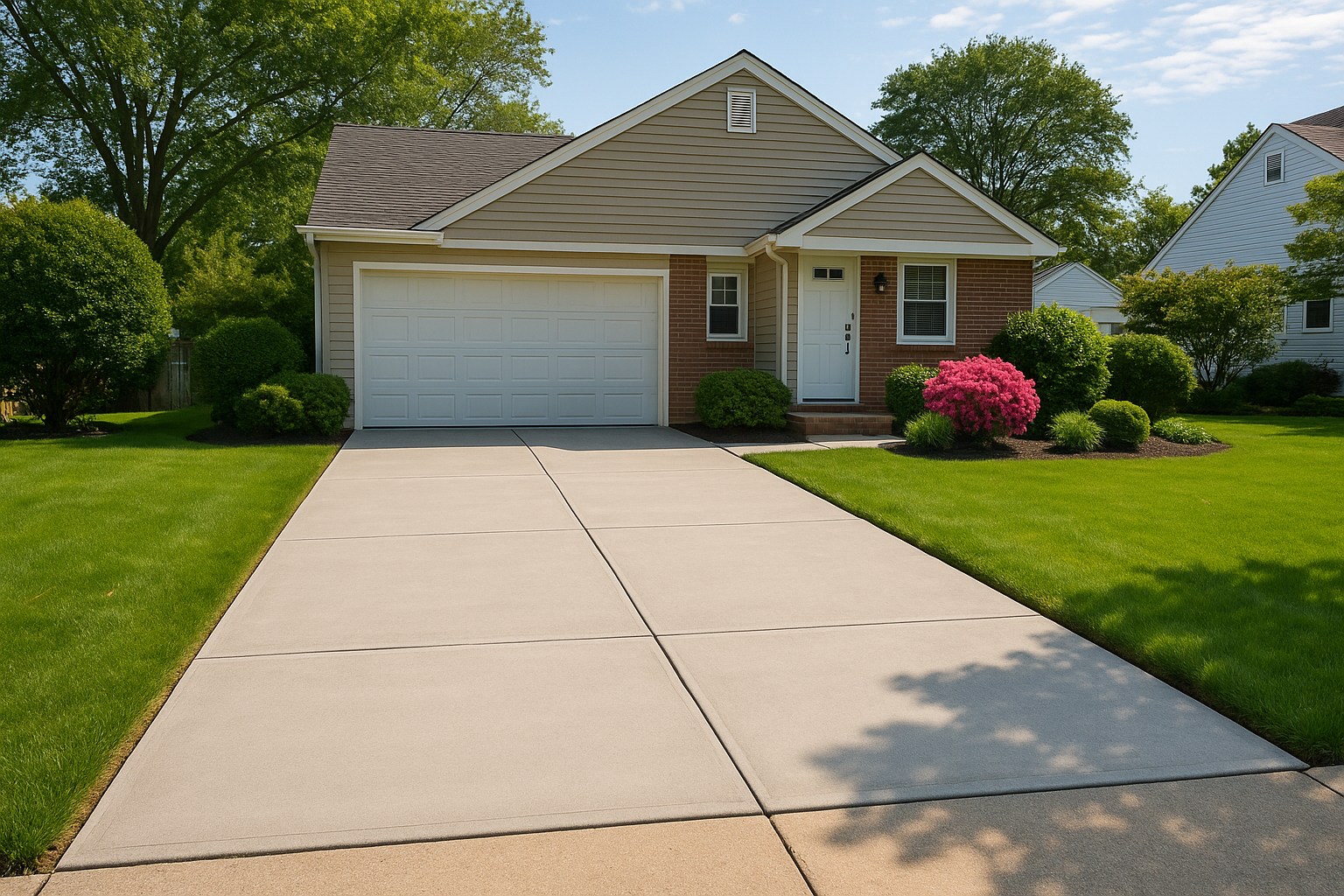
How South Farmingdale Residents Can Access Local Concrete Work
When you’re looking for concrete services, the best results usually come from a simple, organized process. Long Island Mason & Concrete works with clients to clarify the scope of work, understand your timeline, and plan for the details that affect long-term performance—like site prep, proper base materials, and finishing techniques.
To get started locally, begin by reaching out to discuss what you need. A quick conversation helps you confirm the right type of service—whether it’s installation of new concrete or repairs to bring existing surfaces back to strength and appearance.
Common Concrete Projects People Request in South Farmingdale
Residents typically reach out for concrete work that improves function and appearance around the home. Depending on your property and goals, projects may include:
- Driveways: Durable, well-finished surfaces that support everyday vehicle traffic
- Patios and walkways: Comfortable, attractive concrete for outdoor living and safe foot traffic
- Concrete repair: Targeted patching or replacement where cracks, uneven areas, or wear have appeared
- Concrete sealing and maintenance: Helpful steps to protect surfaces and maintain a clean look
Why Local Service Matters for Concrete Quality
Concrete is only as good as the preparation and execution behind it. South Farmingdale properties may experience seasonal shifts that can stress concrete surfaces. Working with a local team helps ensure the project is planned with practical attention to build-up, drainage considerations, and finish quality—factors that influence how concrete performs for years, not weeks.
Long Island Mason & Concrete focuses on doing the foundational work right, so the final surface doesn’t just look good on day one. Homeowners often appreciate a process that’s straightforward and respectful of their property—especially when work is happening near entrances, landscaping, or frequently used areas.
What to Expect When You Call Long Island Mason & Concrete
Every project is different, but most concrete requests follow a similar flow:
- Project discussion: You share what you want to improve, repair, or replace.
- On-site assessment: The team evaluates the condition of the current concrete (if applicable) and reviews site conditions.
- Scope and recommendations: You’ll receive guidance on the best approach for durability, appearance, and long-term value.
- Planning and scheduling: The team coordinates the work so you know what’s happening and when.
- Concrete installation or repair: Finished with attention to the details that help reduce early wear.
Tips for Getting the Right Concrete Results
Before reaching out, it helps to gather a few basics. If you can, take note of any issues you’ve noticed—such as cracking, settling, or spalling—and whether the concrete area is exposed to heavy use. If you’re planning a new installation, consider your ideal look and how the surface will be used daily.
Most importantly, ask questions. A reputable concrete contractor should be able to explain the approach clearly, including what’s needed for prep, what work will be performed, and how you can care for your concrete after the job is completed.
Ready for Concrete That Looks Great and Holds Up?
If you live in South Farmingdale and want concrete work you can trust, Long Island Mason & Concrete is here to help. Whether you’re tackling a repair, building a new patio, or upgrading your driveway, starting with a local conversation is the fastest way to move from ideas to a solid plan.
South Farmingdale, NY Concrete Needs—And the Right Local Fit
South Farmingdale is a community where homes and outdoor spaces are designed for everyday living—driveways, patios, and walkways get real use. When concrete surfaces experience cracking, uneven spots, or general wear, it’s not just an appearance issue. It can also affect safety and how smoothly your property functions.
That’s why local concrete service is so valuable. In South Farmingdale, concrete projects benefit from practical planning around site conditions and finish quality, especially when surfaces are exposed to the region’s seasonal changes. A contractor that pays attention to the details behind installation and repairs can help improve durability and help protect the look of your concrete over time.
Long Island Mason & Concrete supports residents who want clear guidance and workmanship focused on long-term results. Whether you’re planning a new concrete improvement or repairing an existing surface, the goal is the same: create a functional, attractive concrete finish that fits your property and your day-to-day needs.
Frequently Asked Questions About Concrete in South Farmingdale, NY
What types of concrete services do you handle in South Farmingdale, NY?
Concrete contractors commonly assist with a range of projects, including new flatwork like driveways and walkways, concrete repair for spalling or cracked slabs, and replacement when a section has failed. Many also support steps, patios, sidewalks, and site prep work such as removing old concrete and preparing the base. When you contact a contractor, share your goal (repair vs. replacement) and whether you have existing cracks, sinking areas, or drainage issues so the plan can match the condition.
How do I know whether my cracked concrete needs repair or full replacement?
Cracks can be repaired, but replacement is often recommended when there’s significant movement, widespread cracking, or noticeable heaving/sinking. A contractor typically evaluates the slab’s stability, check for trip hazards, and consider whether water is getting underneath the concrete. If the base has deteriorated or sections have separated, patching may not hold. If the damage is limited and the slab remains stable, targeted concrete repair can restore appearance and help prevent further deterioration.
What causes concrete to crack or heave in the South Farmingdale area?
Concrete cracking and heaving are commonly driven by freeze-thaw cycles, shifting soil, improper drainage, and weak or uneven subbase preparation. Water intrusion is a major factor—when water collects under or around the slab, it can expand during cold periods and push the concrete upward. Heavy loads, inadequate jointing, and curing conditions can also contribute. Addressing the root cause is key; otherwise, repairs may fail and the problem can return after a season.
How long does concrete take to set and cure before normal use?
Fresh concrete typically goes through stages: initial set, then curing to reach strength. Many contractors schedule follow-up once the concrete has gained enough hardness for light handling, but full curing can take longer depending on mix design, weather, and thickness. Temperature and moisture matter—cool or very dry conditions can slow curing, while warm, humid conditions can support proper development. Ask your contractor about curing steps and when the surface is safe for foot traffic, vehicles, and landscaping.
What’s involved in preparing the site for a driveway or patio pour?
Good concrete results start with preparation. The process usually includes removing existing material (if applicable), excavating to the required depth, compacting the base, and addressing drainage so water can move away from the slab. For thicker areas like driveways, contractors may include a more engineered base layer and reinforcement as needed. Forms and grading are set before placement to achieve proper slope and surface height. Proper joint layout is also planned to manage cracking naturally.