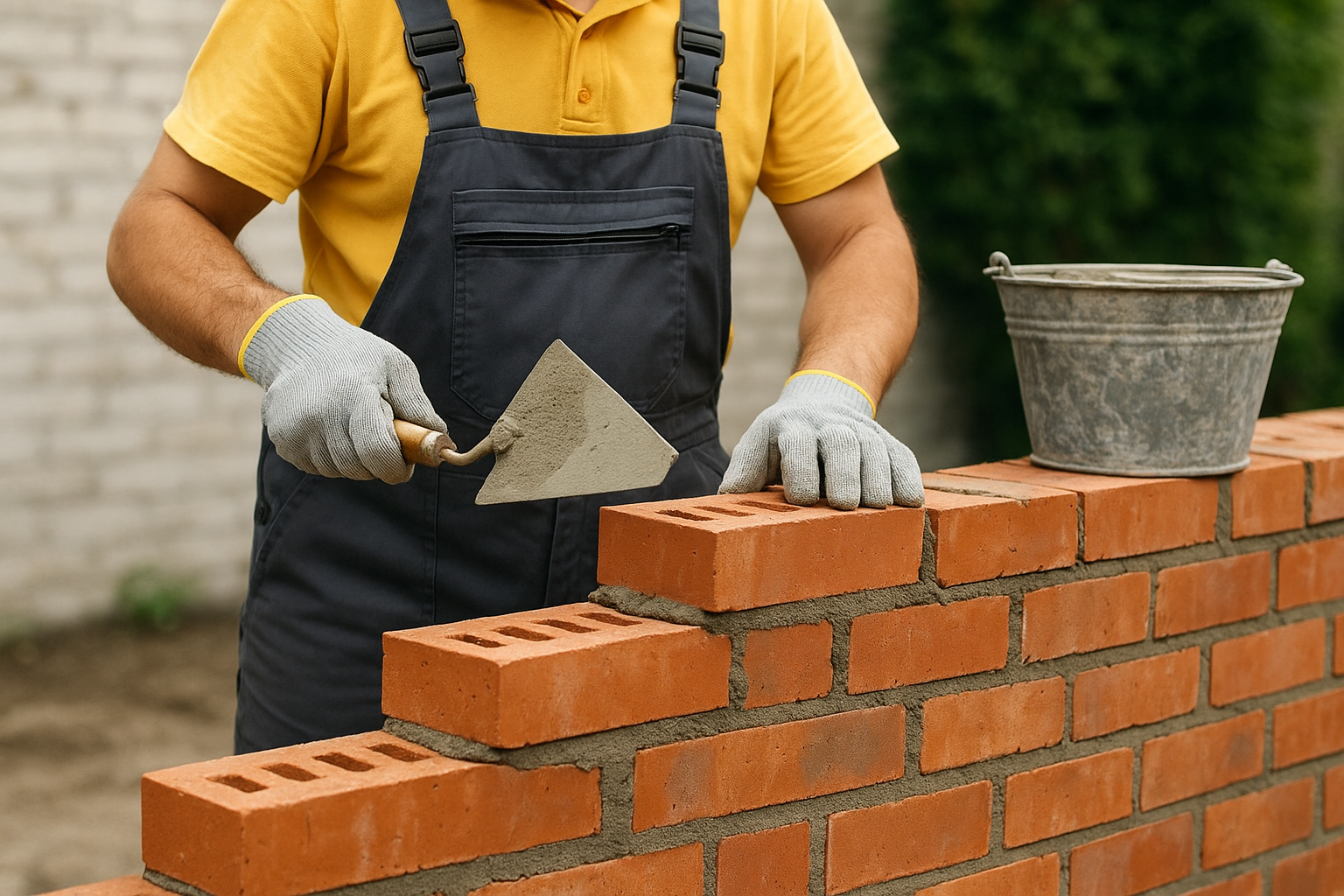
What Is a Masonry Contractor?
A masonry contractor is a construction professional who specializes in building and repairing structures made from brick, stone, concrete block, and other masonry units. These contractors combine craftsmanship with structural knowledge to create durable walls, chimneys, patios, retaining walls, and decorative features that enhance both appearance and function.
Common Services Offered
New Construction
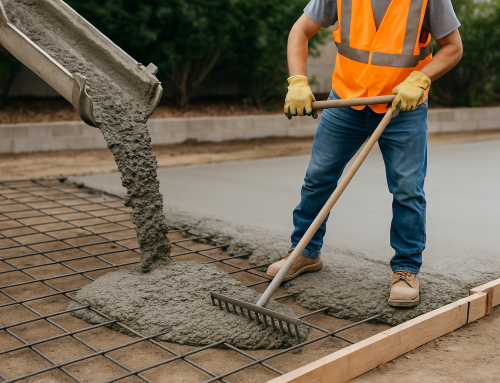
Masonry contractors build new structures such as exterior walls, facades, walkways, driveways, fireplaces, and outdoor kitchens. They read plans, lay foundations or footings when necessary, and set materials with proper mortar and reinforcement.
Repair and Restoration
Repair services include tuckpointing (repointing), crack repair, replacing damaged bricks or stones, chimney repair, waterproofing, and restoring historic masonry to preserve appearance and integrity.
Hardscaping and Decorative Work
Many masonry contractors also install patios, steps, retaining walls, and stone veneers. They can create custom features like columns, arches, and fire pits that add curb appeal and outdoor living value.
Materials and Techniques
Understanding common materials helps when evaluating contractors. Typical materials include:
- Brick: Uniform, durable, and often used for walls and facades.
- Natural stone: Offers unique textures and colors for high-end finishes.
- Concrete block (CMU): Strong and economical for structural work.
- Pavers: Ideal for driveways, patios, and walkways.
- Mortar and grout: Binds units together and provides weather resistance.
Techniques such as proper footings, flashing, weep holes, and reinforcement determine longevity. A good contractor will explain why they choose a material or method for your project.
How Much Does Masonry Work Cost?
Costs vary widely based on material, complexity, site access, and region. Expect to pay more for natural stone and custom finishes, and less for standard brick or block. Typical pricing models include:
- Per square foot for walls, facades, and veneer.
- Per unit for bricklaying or paver installation.
- Hourly or project-based quotes for repairs and custom work.
Ask contractors for itemized estimates that list materials, labor, cleanup, permits, and any subcontractor fees. Comparing several detailed quotes helps you spot unusually low or high bids.
How to Choose the Right Masonry Contractor
Credentials and Experience
Look for licensed contractors (when required in your area), proof of insurance (liability and workers’ compensation), and references. Experience with projects similar to yours—whether chimneys, retaining walls, or historic restorations—is crucial.
Portfolio and References
Ask to see photos of completed projects and talk to past clients if possible. A reputable contractor will gladly provide references and a portfolio that demonstrates quality and attention to detail.
Written Contracts and Warranties
Insist on a written contract describing scope, timeline, payment schedule, and warranty terms. Warranties vary; common coverage includes workmanship for a set period and manufacturer warranties for materials.
Questions to Ask Before Hiring
- Are you licensed and insured? Can you provide documentation?
- How many similar projects have you completed?
- Can you provide an itemized written estimate?
- What is the expected timeline and payment schedule?
- Who will supervise the job daily, and who is the primary contact?
- What warranty do you offer on workmanship?
Preparing for the Project
Clear the work area and plan for access, especially for heavy materials and equipment. Confirm permit responsibilities—some contractors obtain permits, others expect the homeowner to do so. Discuss staging areas, protection for landscaping, and cleanup practices before work begins.
Maintenance Tips to Extend Lifespan
- Regularly inspect mortar joints and look for cracking or spalling.
- Address water issues promptly—proper drainage and flashing prevent damage.
- Use gentle cleaning methods; avoid high-pressure washing that can erode mortar.
- Repoint mortar joints when they begin to fail to protect underlying structure.
Red Flags to Watch For
- Large upfront payments or refusal to provide a written contract.
- No proof of insurance or professional references.
- Very low bids that don’t break down costs—could indicate shortcuts.
- Poor communication or unwillingness to explain methods and materials.
Conclusion
Hiring a qualified masonry contractor ensures your brick, stone, or concrete project is built to last. Take time to compare bids, check references, and confirm credentials. With the right professional, you’ll get a durable, attractive result that enhances your property for years.