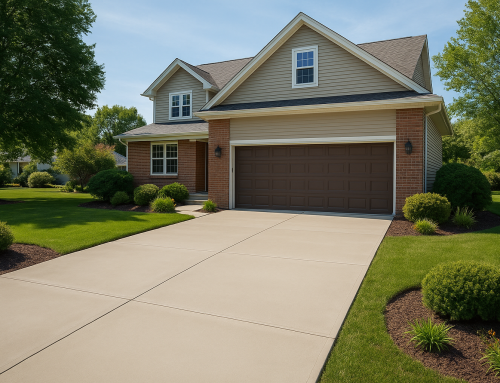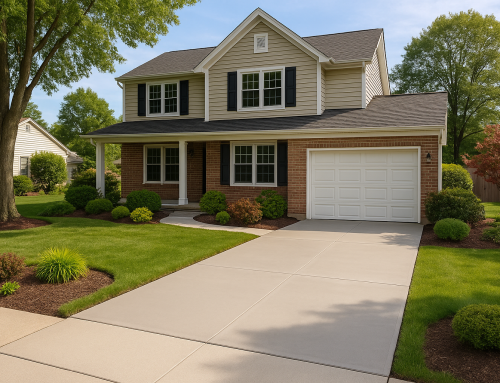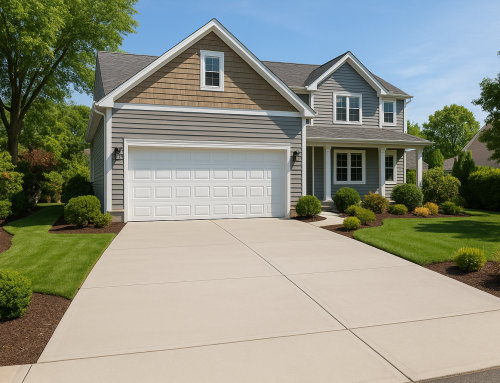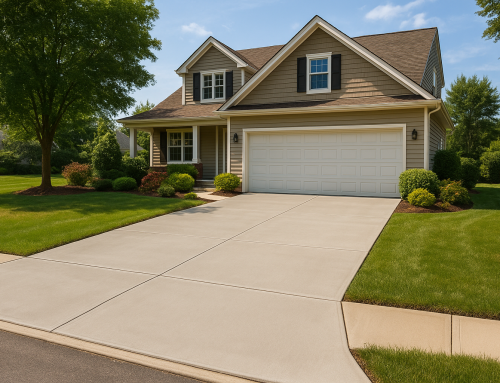
Whether you are planning a new driveway, patio, foundation, or commercial slab, choosing the right concrete company on Long Island can make a lasting difference. Good concrete work depends on more than a smooth finish: proper planning, a solid base, the right mix, and careful curing all help a project stand up to daily use and changing weather.
Long Island property owners also need to consider local conditions. Seasonal temperature swings, freeze-thaw cycles, coastal air, and road salt can all affect concrete over time. A qualified contractor can help you choose an approach suited to your project, property, and budget.
What Concrete Companies on Long Island Can Do
Concrete contractors handle a range of residential and commercial projects. Some companies focus on flatwork, while others also take on structural work, masonry, or excavation. Before requesting estimates, identify the work you need and ask whether the contractor regularly completes similar jobs.
Driveways, Walkways, and Patios
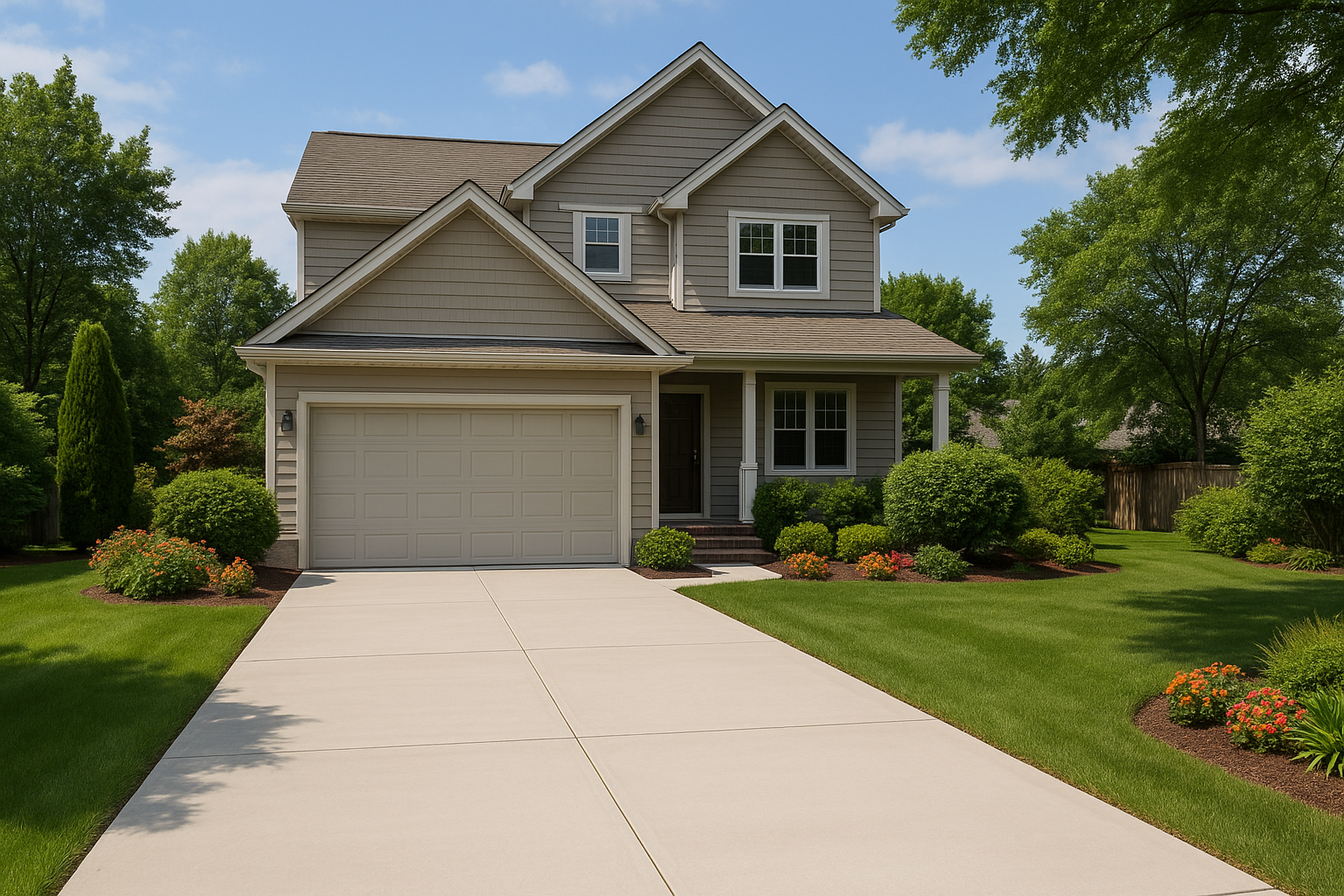
Driveways and walkways need a stable base, suitable thickness, and joints that help manage cracking. A patio may call for additional design choices, such as color, texture, borders, or a stamped finish. Discuss how you plan to use the space, how water will drain, and whether the surface should complement existing landscaping or paving.
Foundations, Slabs, and Commercial Work
Foundations and structural slabs require close coordination with plans, site conditions, and other trades. Commercial projects may involve larger pours, heavier loads, access requirements, and tighter scheduling. Ask prospective companies about relevant experience, crew capacity, and how they coordinate inspections and project milestones.
Repairs and Replacement
Not every damaged surface needs to be replaced, but repairs are not suitable for every problem. A contractor can assess whether cracks, settlement, spalling, or drainage issues are limited to the surface or point to a deeper concern. Request an explanation of the recommended solution, including its expected lifespan and any maintenance needs.
How to Evaluate a Concrete Contractor
Compare contractors on more than price. Clear communication, relevant experience, insurance, and a detailed written proposal can help you make a more confident decision.
Check Experience, References, and Insurance
Look for a company with experience in the type and scale of work you are planning. Ask for recent project examples and references, and follow up with questions about scheduling, workmanship, and communication. Confirm that the contractor carries appropriate insurance, and ask what documentation is available. You can also check whether local registration or permits apply to your project and municipality.
Ask About Site Preparation and Drainage
The visible concrete is only one part of the job. Ask how the crew will remove old material, prepare and compact the base, establish forms, and direct water away from buildings and neighboring areas. On Long Island, where weather and soil conditions can vary from site to site, thoughtful preparation is especially important. The contractor should be willing to explain the steps in plain language.
Request a Detailed Written Estimate
A useful estimate describes the project scope, dimensions, materials or finish, site preparation, cleanup, payment schedule, and expected timeline. It should also note what is excluded, such as permit fees, extensive excavation, or unexpected subsurface work. Comparing detailed proposals makes it easier to understand why prices differ and reduces the chance of misunderstandings.
Questions to Ask Before Hiring
Use an initial conversation to learn how a company manages the work, not just how much it costs. Consider asking:
- Who will supervise the project and be my main contact?
- What preparation and reinforcement are included?
- How will slope and drainage be handled?
- What is the plan if weather delays the pour?
- When can the surface be walked on or driven on?
- What maintenance do you recommend, and what warranty applies?
Answers should be specific to your site and scope. Be cautious of vague proposals, pressure to pay the full amount upfront, or promises that concrete will never crack. Concrete can develop cracks; good design and installation help manage the risk, but cannot guarantee a completely crack-free surface.
Understanding Long Island Conditions
Outdoor concrete has to cope with both summer heat and winter cold. Water that enters small openings can freeze and expand, while deicing salts and coastal exposure may contribute to surface deterioration. Ask your contractor which mix, finish, joint layout, and curing practices are appropriate for the application and exposure. Avoid relying on a one-size-fits-all recommendation.
Drainage is another important consideration. Poor runoff can leave standing water, affect nearby foundations, or speed up deterioration. Before work begins, confirm where water will flow and whether grading changes or approvals are needed. Your contractor may recommend coordinating with a landscaper, engineer, or local building department, depending on the project.
Planning Your Project and Budget
Set a realistic budget that accounts for more than the pour itself. Demolition, hauling, access limitations, grading, reinforcement, decorative finishes, and permit requirements can affect the total. Ask which choices are optional and which are important for performance, so you can make informed trade-offs without overlooking essential site work.
Schedule early when possible, especially if your project depends on other renovations or has a preferred seasonal window. Weather, material availability, and crew schedules can shift timelines. Keep the work area accessible, discuss protection for nearby landscaping and structures, and follow the contractor’s instructions about curing and when the new surface can be used.
Conclusion
The best concrete company for your Long Island project is one that understands the work, explains its process, and provides a clear written scope. Compare experience, preparation methods, drainage plans, and communication alongside price. A careful selection process can help you get a durable, attractive result that suits your property and stands up to local conditions.