About Our Concrete Company
Choosing the right concrete company matters whether you’re planning a driveway, commercial slab, or decorative patio. A reputable concrete contractor will combine technical skill, quality materials, and clear communication to deliver a durable, attractive result. This post explains what a professional concrete company does, the services they offer, the step-by-step process, and practical tips to ensure your project goes smoothly.
Services a Professional Concrete Company Provides
Residential Concrete
Residential services include driveways, sidewalks, patios, garage floors, foundations for small structures, and stamped or colored concrete. Experienced contractors can advise on design options, reinforcement needs, and local building codes to ensure the finished product looks great and lasts for decades.
Commercial and Industrial Concrete
Commercial work covers parking lots, warehouse floors, loading docks, curbs, and large slabs. These projects require attention to load-bearing capacity, expansion joints, drainage, and traffic patterns. A professional company brings project management skills to coordinate subcontractors, inspections, and timelines.
Decorative and Specialty Concrete
Decorative options—such as stamped concrete, exposed aggregate, acid staining, and polished concrete—allow custom aesthetics with the durability of concrete. Specialty services also include concrete repair, crack injection, resurfacing, and sealing to extend the life of existing surfaces.
Why Choose a Reputable Contractor?
Experience and Expertise
Knowledge of mixes, reinforcement (rebar or wire mesh), proper subgrade preparation, and curing techniques is essential. Contractors with years of experience anticipate challenges—like soil conditions or drainage—that can affect the longevity of your slab.
Quality Materials and Modern Techniques
Top companies use industry-standard mixes and admixtures for strength and workability. They invest in modern finishing tools and testing equipment to ensure proper slump, strength, and curing. These choices reduce cracking and improve durability.
Safety, Licensing, and Insurance
Always verify licensing and insurance. A responsible contractor follows safety protocols, secures permits, and protects your property during construction. Proper insurance protects both workers and homeowners from liability.
The Typical Concrete Project Process
1. Estimate and Planning
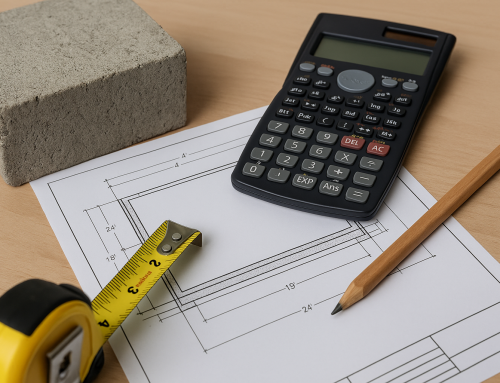
A professional company will provide a clear written estimate that outlines scope, materials, timeline, permits, and payment schedule. This sets expectations and avoids surprises.
2. Site Preparation
Proper excavation, grading, and subbase preparation are critical. Good drainage and a compacted aggregate base prevent settling and reduce the risk of cracks. Reinforcement placement is determined at this stage.
3. Pouring and Finishing
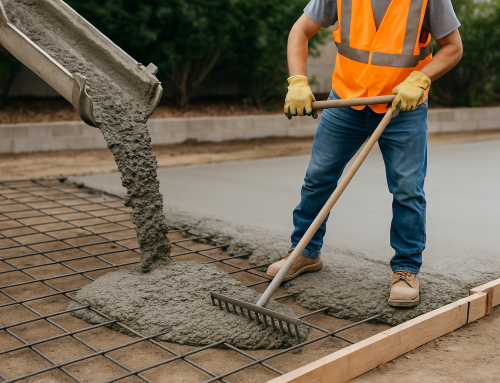
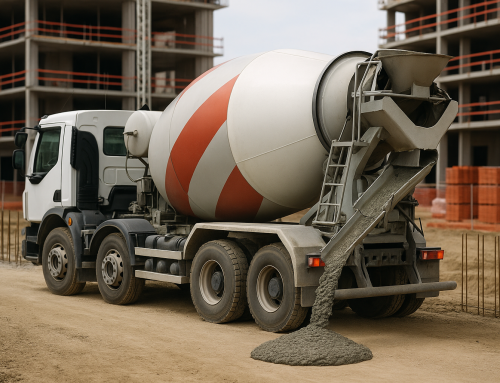
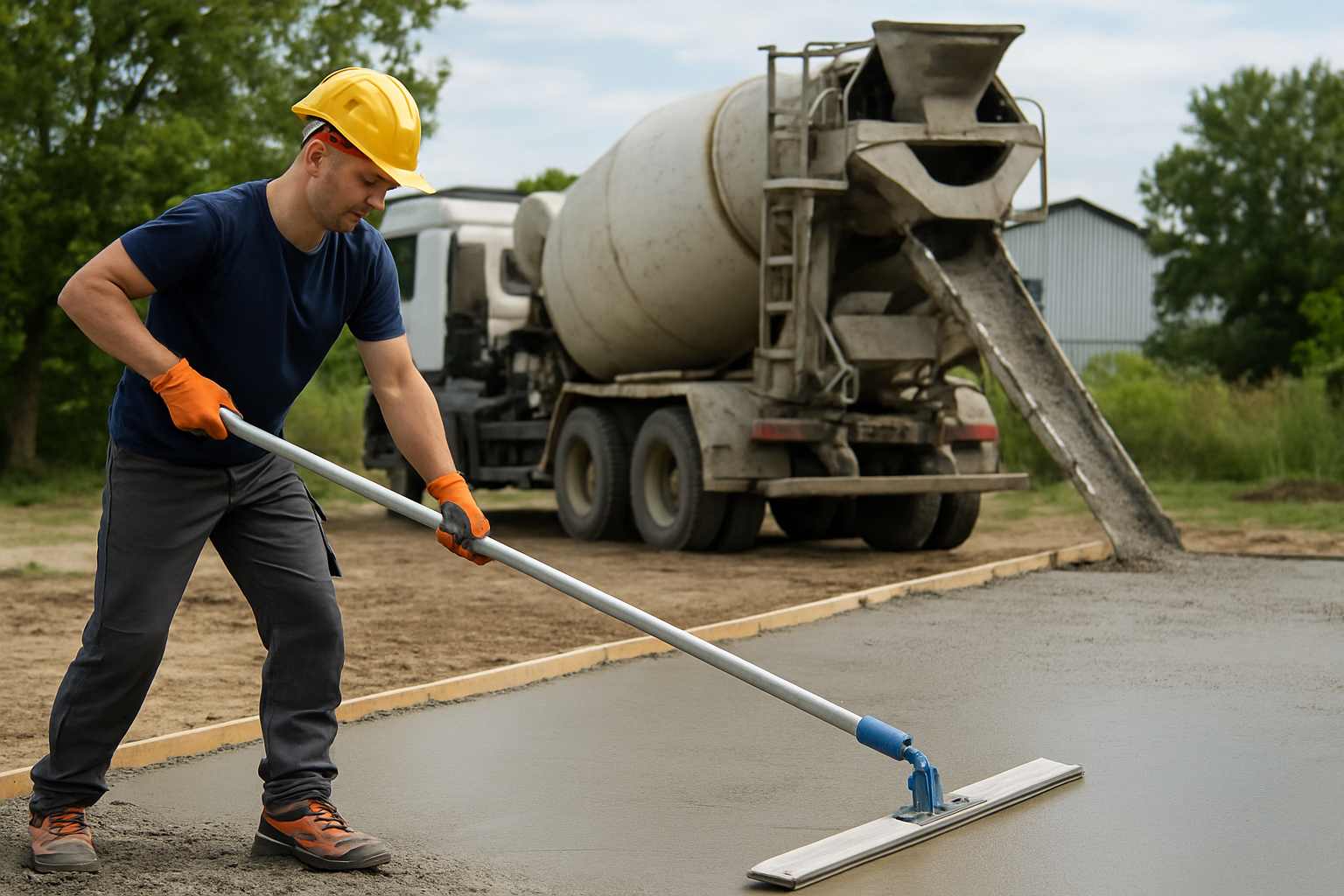
Concrete pouring requires coordination to maintain continuous placement and correct slump. Finishing techniques—broom finish, trowel, stamping, or polishing—are chosen based on function and aesthetics. Skilled finishing ensures consistent texture and slope for drainage.
4. Curing and Protection
Curing maintains moisture and temperature to achieve design strength. Curing compounds, wet burlap, or plastic sheeting are common methods. Protecting new concrete from traffic and extreme weather for the first days or weeks is crucial for long-term performance.
Maintenance Tips for Long-Lasting Concrete
- Seal surfaces every 2–5 years to protect against water, deicing salts, and stains.
- Repair small cracks promptly to prevent water infiltration and freeze-thaw damage.
- Ensure proper drainage around slabs to avoid standing water and undermining the subbase.
- Avoid using harsh chemical deicers during freeze cycles; use sand for traction when possible.
- Schedule periodic inspections for commercial surfaces that receive heavy loads.
Sustainable Practices in Concrete Work
Many companies now offer greener options: recycled aggregate, supplementary cementitious materials (like fly ash or slag) to reduce cement content, and better mix designs to lower carbon footprint. Efficient batching, reduced waste, and recycling leftover concrete help minimize environmental impact.
How to Select the Best Concrete Company
- Ask for references and recent project photos to evaluate workmanship.
- Get multiple written estimates and compare scopes rather than just price.
- Confirm licensing, insurance, and warranty terms for labor and materials.
- Look for clear communication: a good contractor explains timelines, site prep, and maintenance needs.
- Choose a company that offers transparent change-order procedures and keeps the site safe and tidy.
Conclusion
Selecting the right concrete company means balancing experience, materials, communication, and price. With careful planning, clear contracts, and a focus on quality and maintenance, you’ll get durable concrete that meets your functional and aesthetic goals. Reach out to local contractors, compare proposals, and ask the right questions to make your project a success.