Understanding Concrete Contractors
Concrete contractors specialize in forming, pouring, finishing, and repairing concrete for residential, commercial, and industrial projects. Whether you’re planning a new driveway, a patio, a foundation, or decorative stamped concrete, hiring an experienced contractor ensures the work meets structural, aesthetic, and longevity goals.
What a Concrete Contractor Does
- Provide site evaluation and preparation (grading, compacting, and forms)
- Select appropriate concrete mixes and reinforcement (rebar, mesh)
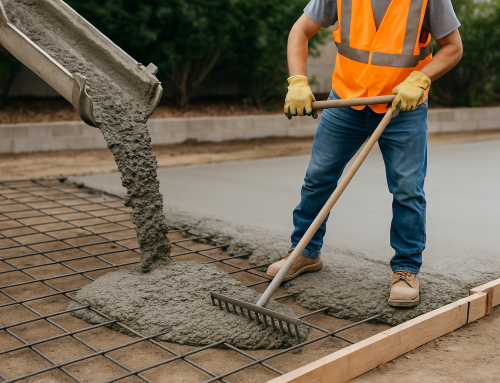
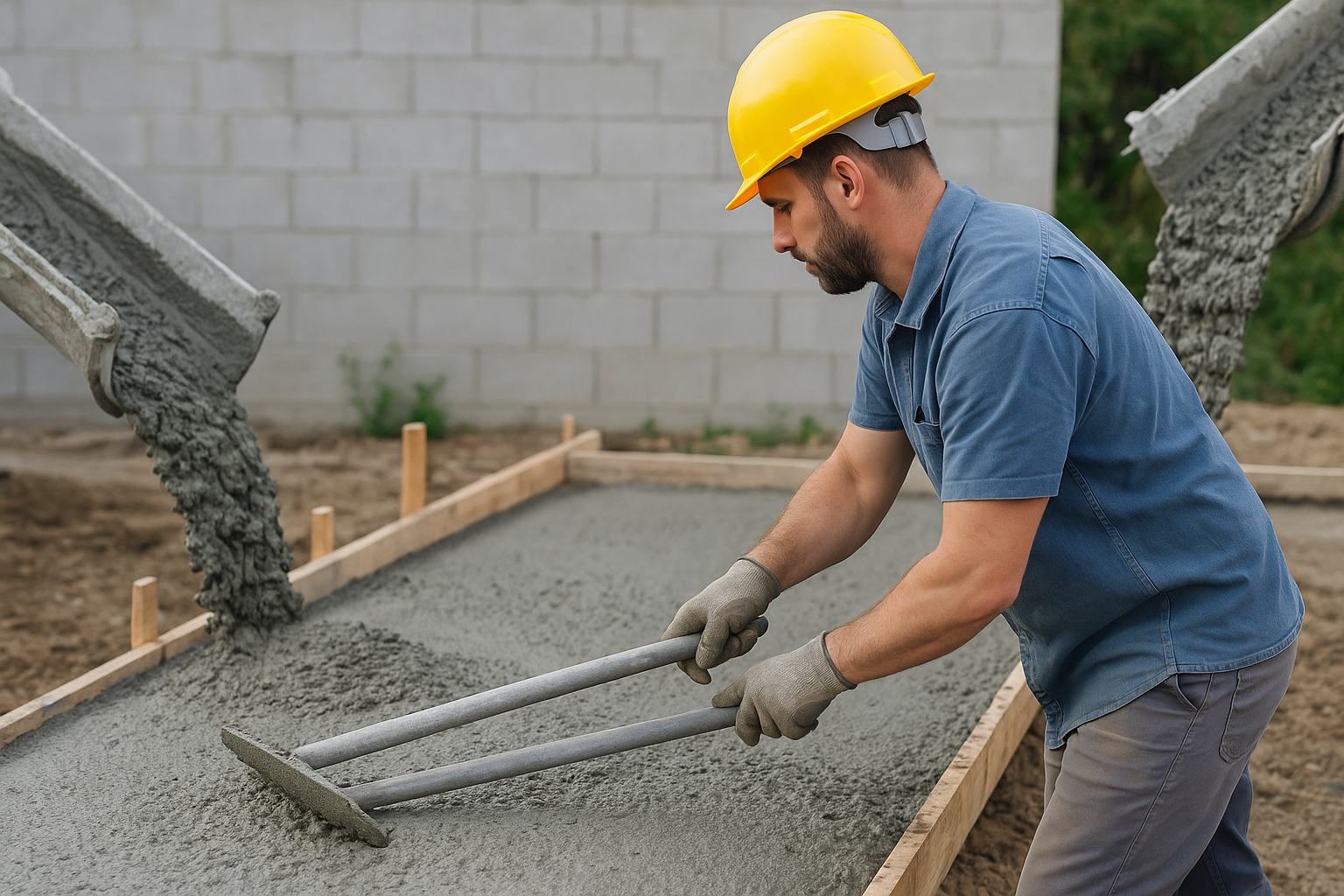
- Pour, level, and finish concrete surfaces
- Install decorative treatments (stamping, staining, exposed aggregate)
- Repair, seal, and maintain existing concrete
Services Offered by Concrete Contractors
Residential Concrete
Common residential services include driveways, sidewalks, patios, porch slabs, garage floors, and small foundation repairs. Contractors typically offer finishing options like broom finish, exposed aggregate, stamped patterns, and color staining.
Commercial and Industrial Concrete
Commercial jobs cover larger-scale flatwork, parking lots, warehouse floors, loading docks, and structural concrete elements that must meet stricter tolerances and regulations. Industrial work may require specialized mixes, jointing systems, and heavy-duty finishes.
Decorative and Specialty Concrete
Decorative concrete transforms ordinary slabs into design features through stamping, staining, polishing, and overlays. Specialty work also includes concrete countertops, retaining walls, and permeable pavers for improved drainage.
Repair, Sealing, and Maintenance
Crack repair, resurfacing, joint replacement, drainage corrections, and sealing are essential services that extend the life of concrete and prevent more expensive replacements down the road.
What to Look for When Hiring a Concrete Contractor
Licensing, Insurance, and Certifications
Always verify that a contractor holds the necessary state or local licenses and carries general liability and worker’s compensation insurance. Certifications from industry groups (e.g., ACI—American Concrete Institute) are a plus.
Experience and Portfolio
Look for contractors with experience in the specific type of project you need. Ask to see a portfolio of completed work or visit local job sites to evaluate workmanship and finish quality.
References and Reviews
Request references and read online reviews. A pattern of positive feedback about timeliness, communication, and cleanup is a good indicator of professionalism.
Written Estimates and Contracts
Obtain multiple written estimates that break down labor, materials, permit costs, site prep, and cleanup. A detailed contract should include timelines, payment schedules, warranty information, and change-order procedures.
Typical Costs and Factors That Affect Price
Concrete pricing varies widely depending on location, project size, finish, and complexity. Typical cost components include:
- Materials: Cement, aggregates, admixtures, reinforcement, sealers, and finishes.
- Labor: Skilled finishing, forming, and curing processes.
- Site preparation: Excavation, grading, subbase installation, and drainage work.
- Access and equipment: Cranes, pumps, or specialized finishing tools for tight or elevated sites.
- Climate and curing needs: Hot or cold weather may require additives, blankets, or extended curing times.
Ask contractors to explain cost drivers and any potential hidden expenses, such as unforeseen soil issues or permit-related fees.
Key Questions to Ask a Potential Contractor
- Are you licensed and insured? Can you provide proof?
- Do you have references from similar projects?
- What concrete mixes and reinforcement do you recommend and why?
- What is the project timeline and cure time before use?
- Do you handle permits and inspections or is that my responsibility?
- What warranties do you provide for workmanship and materials?
- How do you handle unexpected issues or change orders?
- What cleanup and site restoration do you include?
Preparing for a Concrete Project
Site Access and Utilities
Ensure the contractor has clear access to the work area and that utilities or landscaping that could be affected are marked or removed. Good site access reduces labor costs and speeds up the job.
Permits and Local Codes
Confirm who will obtain permits and ensure the design complies with local building codes, slope and drainage requirements, and any HOA standards.
Plan for Curing and Use
Concrete gains strength over days and weeks. Plan to keep vehicles and heavy loads off new slabs until adequate cure time has passed; your contractor should recommend a safe timeline.
Conclusion
Choosing the right concrete contractor comes down to verifying credentials, reviewing past work, getting clear written estimates, and asking the right questions. Proper planning and communication will help ensure your concrete project looks great and performs well for years to come.