Introduction
A concrete driveway is a long-term investment that improves curb appeal, adds value to your home, and provides a durable surface for daily use. Hiring a professional concrete driveway contractor ensures the job is done correctly—from base preparation to finishing and curing. This guide explains what contractors do, how much to expect to pay, what to look for when hiring, and how to care for your new driveway.
Why Hire a Professional Concrete Driveway Contractor?
Quality and Durability
Experienced contractors understand the right mix design, reinforcement, and slope requirements to prevent cracking and drainage issues. Properly installed concrete resists freeze-thaw cycles and heavy vehicle loads better than many DIY attempts.
Time and Warranty
Professionals finish projects faster and are more likely to stand behind their work with warranties or guarantees. That provides peace of mind if issues arise during the first few months or years.
Services a Concrete Driveway Contractor Offers
New Driveway Installation
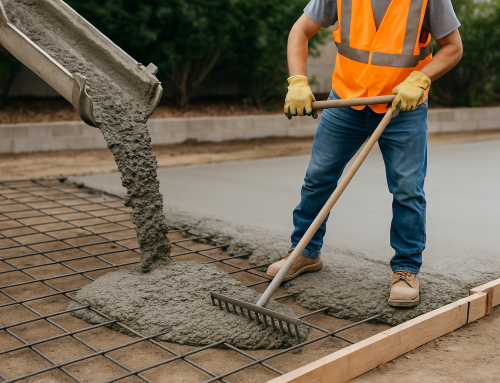
From site excavation and subbase preparation to pouring and finishing, contractors handle the full installation process. They can also manage grading and drainage to protect the driveway and nearby structures.
Repair and Resurfacing
Contractors repair cracks, joint failures, and surface spalling. For driveways with widespread surface wear, resurfacing or overlay options can restore appearance and extend service life without a full replacement.
Decorative Finishes
Many contractors offer stamped, stained, exposed aggregate, or broom-finished surfaces to match your aesthetic preferences. Decorative options can significantly boost curb appeal when done properly.
How Much Does a Concrete Driveway Cost?
Typical Price Ranges
Costs vary by region, size, thickness, and finish. Expect national averages to range from a basic installed concrete driveway at the lower end to premium decorative installations at the higher end. Request multiple estimates for the most accurate pricing in your area.
Factors That Affect Price
- Driveway size and thickness
- Site accessibility and excavation needs
- Base/subgrade conditions and required compaction
- Reinforcement (wire mesh or rebar)
- Finish type: plain, broom, stamped, or stained
- Local labor and material costs
- Permit fees or utility location requirements
What to Look For When Hiring
Licensing and Insurance
Confirm the contractor carries appropriate contractor licensing and liability insurance. Workers’ compensation is important if workers will be on your property. These protections reduce your liability and improve job reliability.
References and Portfolio
Ask for recent project photos and customer references. Visiting local jobs or talking with past clients can reveal workmanship quality and how the contractor handled schedules and follow-up.
Written Estimates and Contracts
Get detailed, written estimates that break down labor, materials, and timelines. Contracts should specify start and completion dates, payment schedules, materials, and warranty terms.
The Installation Process: What to Expect
Site Preparation
Contractors remove old surfaces (if required), grade the area, and install a compacted base. Proper drainage and slope away from structures are established at this stage.
Pouring and Finishing
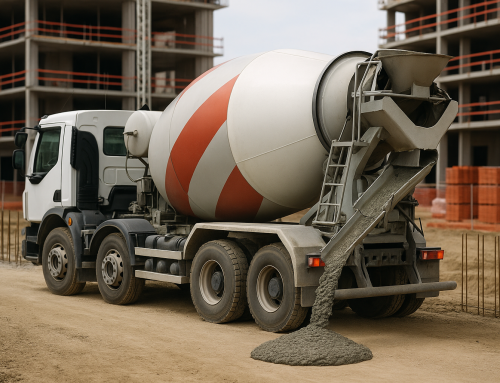
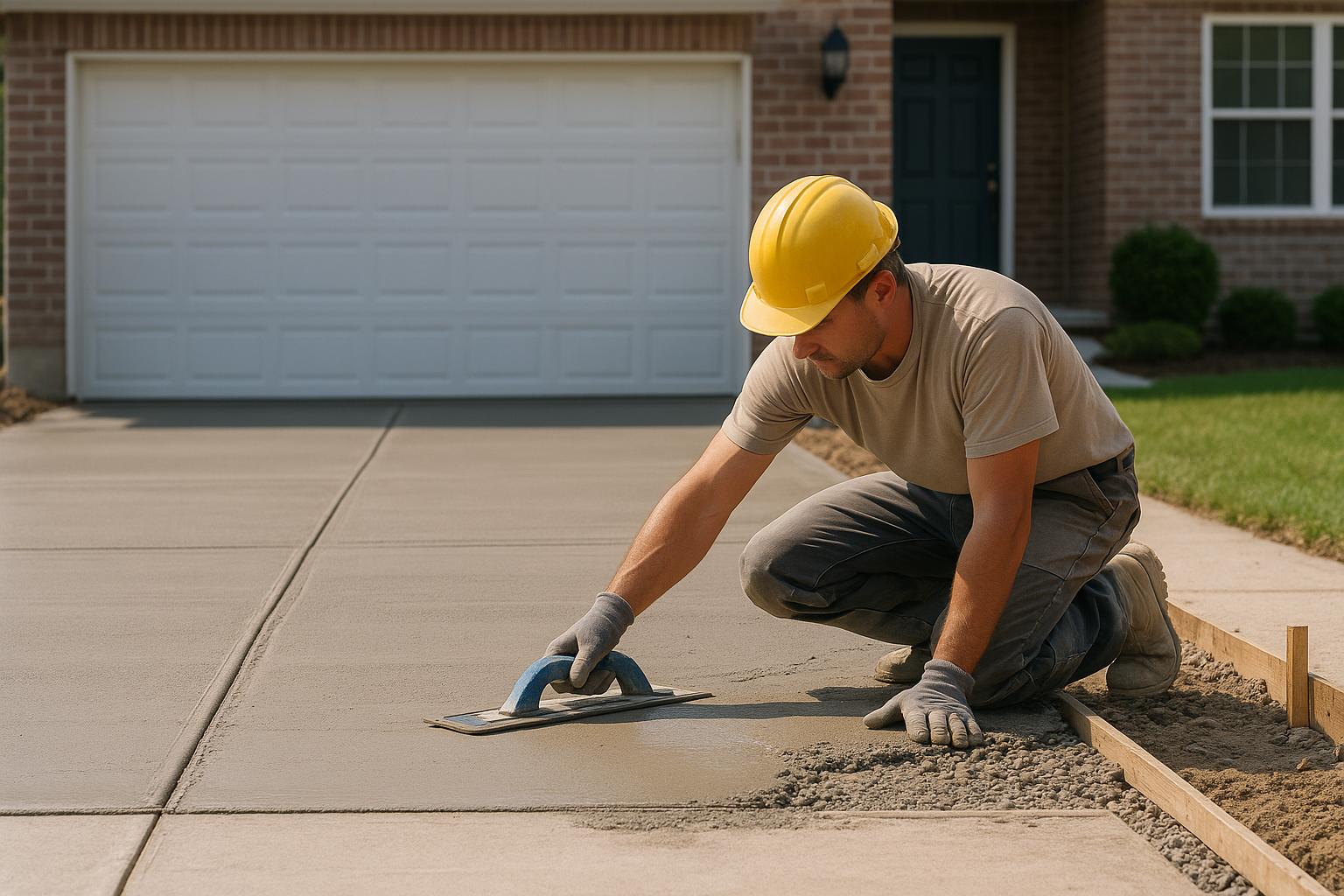
Concrete is placed, leveled, and finished according to the chosen texture or decorative treatment. If jointing is required, contractors saw control joints to reduce random cracking.
Curing and Cleanup
Concrete needs time to cure—typically several days to achieve initial strength and up to 28 days for full cure. Proper curing techniques improve strength and durability. Contractors should also leave the site clean and dispose of waste responsibly.
Maintenance Tips to Extend Lifespan
- Seal the surface every 2–5 years depending on exposure and traffic.
- Clean stains and remove oil promptly to prevent deterioration.
- Avoid using harsh de-icers; use concrete-safe products in winter.
- Repair small cracks quickly to prevent water infiltration and freeze damage.
- Maintain proper drainage to keep water away from joints and edges.
Common Mistakes to Avoid
- Choosing solely on price—unusually low bids may shortcut prep work.
- Skipping a written contract or warranty details.
- Neglecting site drainage and base compaction, which cause premature failure.
- Not verifying insurance and licensing before work begins.
Questions to Ask a Prospective Contractor
- Are you licensed and insured? Can you provide proof?
- Do you have references or a portfolio of similar projects?
- What is included in the estimate and contract?
- How long will the project take and what is your timeline for curing?
- What warranty do you offer on materials and workmanship?
Conclusion
Selecting a reputable concrete driveway contractor pays off in durability, appearance, and long-term value. Take time to compare estimates, check credentials, and ask detailed questions. With the right contractor and proper maintenance, a concrete driveway can serve your home beautifully for decades.