Masonry can make a home or commercial property more durable, functional, and attractive. From a welcoming front walkway to a sturdy retaining wall, well-planned brick and stonework can add lasting value. But choosing among masonry companies on Long Island takes more than comparing a few prices. The right contractor should understand your project, communicate clearly, and have the skills to complete the work safely and professionally.
Whether you need repairs or a new outdoor feature, knowing what to look for can help you make a confident decision. Here’s how to evaluate your options and prepare for a successful masonry project.
What Masonry Companies Can Do
Masonry contractors work with materials such as brick, concrete block, natural stone, manufactured stone, and pavers. The specific services offered vary by company, so confirm that a contractor regularly handles the type of work you need.
Common residential projects
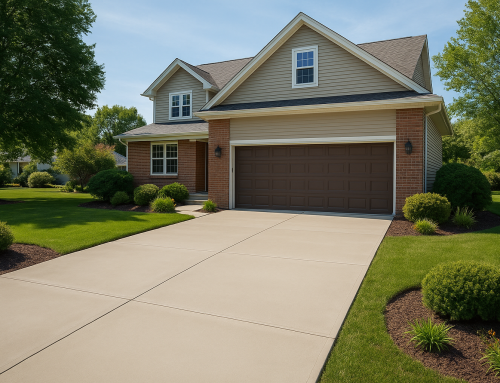
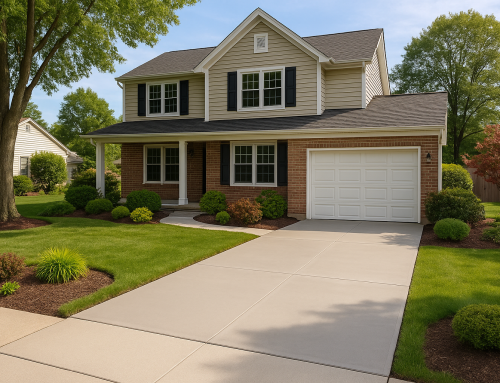
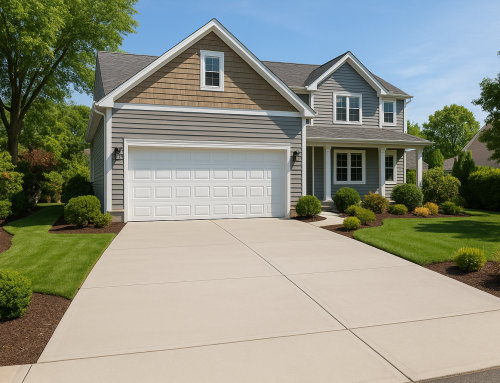
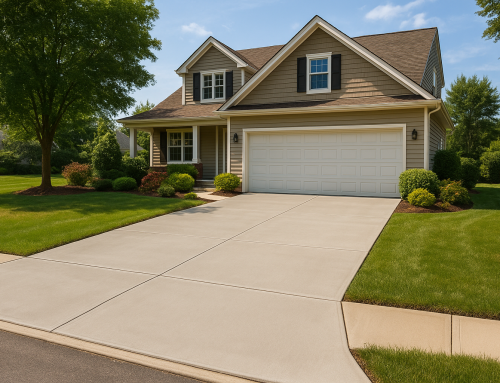
For homeowners, masonry work may include patios, walkways, steps, stoops, driveways, chimneys, outdoor fireplaces, and retaining walls. Contractors may also repair cracked brick, replace damaged pavers, repoint mortar joints, or rebuild areas that have shifted or deteriorated.
Commercial and structural work
Some companies take on commercial facades, block walls, loading areas, and other larger-scale jobs. Structural repairs may require particular experience and careful assessment. Ask whether the contractor has completed projects similar in size and complexity to yours, and whether other licensed professionals need to be involved.
How to Compare Masonry Companies on Long Island
A polished website or an appealing estimate can be useful, but neither tells the whole story. Compare contractors using a combination of experience, references, project details, and communication.
Review relevant experience and past work
Look for examples that resemble your project in material, style, and scale. Photos can help you assess workmanship, though they are only one part of the picture. Ask how long the company has been performing this type of work and whether you can speak with recent customers. References may offer insight into punctuality, job-site cleanup, communication, and how the contractor handled unexpected issues.
Verify credentials and insurance
Ask what licenses, registrations, or permits apply to your project and confirm that the contractor meets local requirements. Request proof of liability insurance and workers’ compensation coverage where applicable. These steps help clarify who is responsible if an accident or property damage occurs. Requirements can vary by location and project, so check with your local building department when you are unsure.
Look for clear, responsive communication
A dependable masonry company should be willing to answer questions and explain its recommendations in plain language. Notice whether the contractor arrives as scheduled, listens to your priorities, and follows up as promised. Consistent communication before work begins is often a good indicator of how the project will be managed.
What a Detailed Estimate Should Include
When possible, request written estimates from multiple qualified contractors. A useful estimate should describe the work, not simply provide a total price. It should identify the materials, approximate quantities, preparation steps, and what is included in the labor.
Check whether the estimate addresses demolition and disposal, excavation, base preparation, drainage, site protection, cleanup, and permit responsibilities. For repairs, ask what caused the damage and whether the proposed work addresses the underlying issue. A low price may leave out important steps or use materials that are not appropriate for the site.
Ask how changes will be handled if hidden damage, unsuitable soil, or other unexpected conditions are found. Make sure the payment schedule, estimated start date, expected duration, and warranty terms are written down. Avoid relying on verbal promises for important details.
Questions to Ask Before Hiring
Before signing a contract, use a conversation with the contractor to fill in any gaps. Consider asking:
- Have you completed projects like this in the area?
- Which materials and installation methods do you recommend, and why?
- Who will supervise the job and perform the work?
- Will you obtain required permits, or is that my responsibility?
- How will you protect nearby landscaping, siding, and walkways?
- What is the plan for drainage, expansion, or seasonal movement?
- How should I contact you if concerns come up during the project?
The answers should be specific to your property. A contractor who explains both the benefits and limitations of a proposed solution can help you set realistic expectations.
Long Island Conditions to Consider
Outdoor masonry must stand up to changing weather and regular use. Rain, snow, freeze-thaw cycles, and water moving across a property can all affect masonry over time. The right design depends on the site, the chosen material, and how the area will be used.
Ask how the contractor plans to prepare the base and manage water. Proper grading and drainage can be especially important for patios, steps, retaining walls, and paved areas. For brick or stone repairs, matching the existing material and choosing compatible mortar can help maintain both appearance and performance. A qualified contractor should explain the choices rather than promise that any one material is maintenance-free.
Red Flags to Watch For
Be cautious if a contractor pressures you to sign immediately, asks for an unusually large upfront payment, or will not provide a written scope of work. Other warning signs include vague answers about insurance, no verifiable references, unexplained price changes, and requests to skip permits when they may be required.
It is also wise to be skeptical of a quote that is dramatically lower than comparable estimates. Ask what is different: the materials, preparation, project schedule, or warranty. A clear explanation may reveal legitimate savings, but an incomplete scope can lead to added costs later.
Conclusion
Choosing among masonry companies on Long Island is easier when you focus on proven experience, clear written estimates, appropriate credentials, and thoughtful communication. Compare the full scope of each proposal—not just the price—and ask how the contractor will handle site preparation, drainage, and unexpected conditions. A little research upfront can help you hire a professional who delivers masonry work suited to your property and built for long-term use.