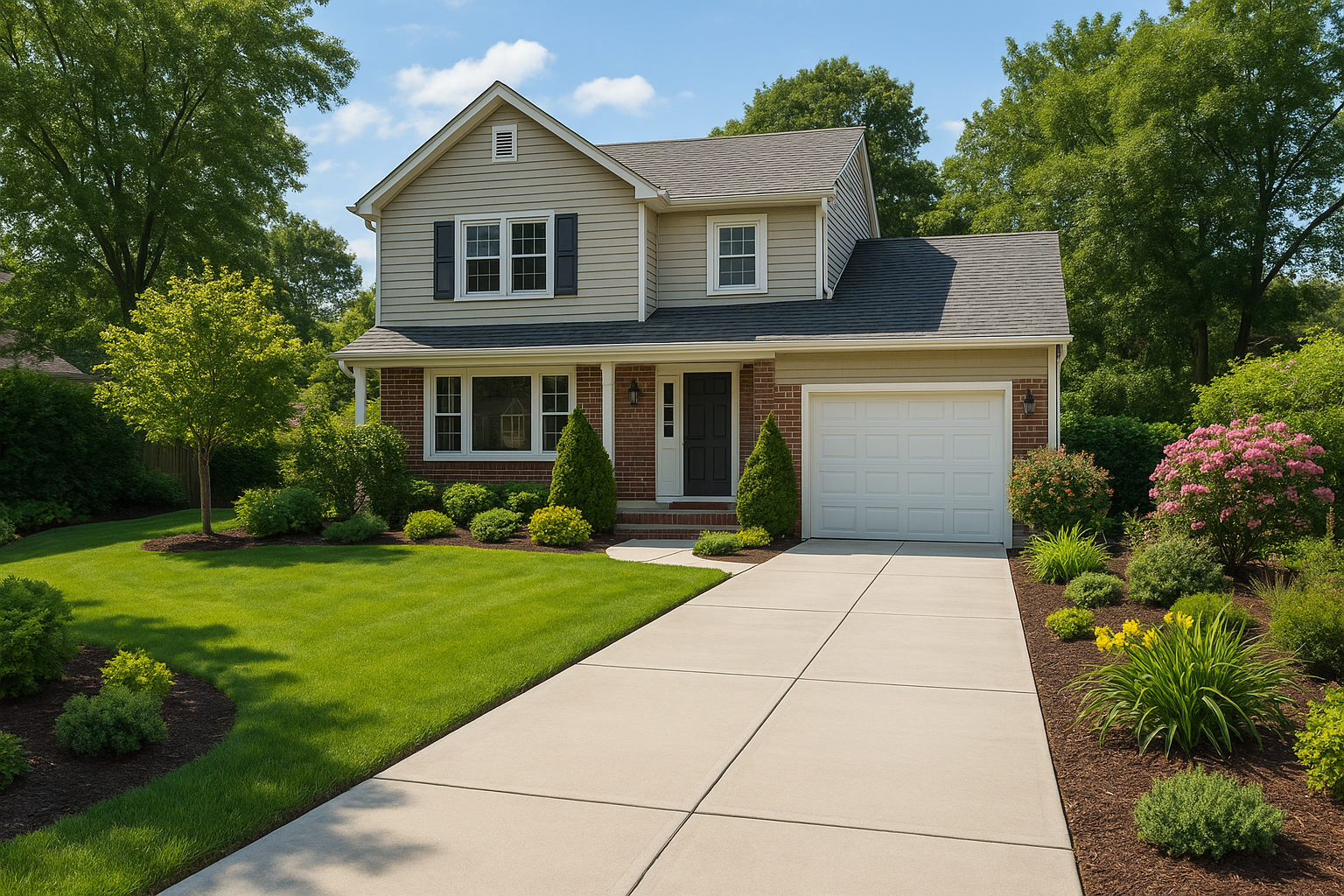
Your outdoor space can be much more than a patch of grass or a place to store garden tools. With a little planning, a balcony, patio, courtyard, or backyard can become a comfortable extension of your home—a place to relax, eat, play, and spend time with the people you care about.
You do not need a large budget or a landscape designer to get started. The best outdoor spaces reflect how you actually live and make the most of what you already have. Here is a practical guide to planning, furnishing, and caring for an outdoor area you will want to use.
Start With the Way You Want to Use It
Before buying furniture or choosing plants, think about what you want to do outside. A clear purpose makes it easier to choose the right layout and avoid spending money on items that do not suit your needs.
Choose a few everyday activities
Perhaps you want a quiet spot for morning coffee, a dining area for family meals, a safe place for children to play, or room to grow herbs and vegetables. You can combine several uses, but it helps to decide which matter most. For example, a small patio might serve as both a reading nook and a place for two-person meals, while a larger yard can be divided into separate zones.
Notice sun, shade, and access
Spend time observing the space at different points in the day. Note where the sun falls, which areas stay shaded, and where wind or rain tends to collect. Consider how people will move between the house, seating, garden, and gate. These details can guide your choices: a sunny corner may suit a container garden, while a shaded spot may be more comfortable for lounging in summer.
Create a Comfortable Layout
A thoughtful layout can make even a compact outdoor area feel more open. Begin with the essentials, then add pieces only if they support how you plan to use the space.
Make room to move
Keep paths clear and leave enough space to pull out chairs, carry dishes, or move around comfortably. Avoid placing every piece of furniture against a wall simply because it seems like the obvious choice. Sometimes angling a chair or bringing a small table closer to a seating area makes the space feel more inviting. In a narrow balcony, folding furniture or a bench against one side can preserve valuable floor space.
Define outdoor zones
Use rugs made for outdoor conditions, planters, lighting, or a change in surface to distinguish different areas. A dining zone can be anchored by a table and overhead light; a relaxation zone might have a pair of chairs and a side table. In a small space, one flexible area can serve more than one purpose. Choose items that are easy to move or store when needed.
Choose Furniture and Materials for Real Life
Outdoor furniture should be comfortable, practical, and suited to your local weather. Before purchasing, check the available dimensions and consider where furniture will go during heavy rain, strong sun, or winter conditions.
Prioritize comfort and durability
Try chairs when possible, and think about how long you expect to sit in them. Cushions can add comfort and color, but look for covers that are easy to clean and store them somewhere dry when not in use. Materials such as treated wood, metal, and outdoor-rated synthetic fibers each have different care needs, so check product guidance before deciding. Durable basics are often a better investment than a large set you rarely use.
Add useful finishing touches
A small table keeps drinks and books within reach. An outdoor storage box can hold cushions, toys, or gardening supplies. If privacy is limited, consider a trellis, tall plants, or a screen that suits the space and does not block necessary access. Add only what improves comfort or function; too many accessories can make an area feel crowded.
Bring in Plants and Lighting
Plants and light can make an outdoor area feel personal and welcoming, whether you have a garden bed or only a few pots.
Select plants for the conditions
Choose plants based on the amount of sun, the climate, and the time you can devote to care. Local garden centers can suggest varieties suited to your region. Containers are useful for balconies and paved patios, but they may dry out faster than garden beds, so check moisture regularly. Grouping pots can create a fuller look, while mixing different heights adds visual interest. Leave enough room for plants to grow and avoid placing containers where they obstruct walkways.
Make evenings inviting
Lighting helps you enjoy the space after sunset and makes steps or entrances easier to see. Try a combination of gentle ambient lighting and practical lights near doors, stairs, or dining areas. Solar lights can be convenient where they receive enough daylight, while plug-in options require safe, outdoor-rated equipment and suitable outlets. Always follow the manufacturer’s instructions, particularly around water and electrical connections.
Make Outdoor Care Manageable
A space is more enjoyable when it is easy to maintain. Build small tasks into your routine: sweep paths, remove fallen leaves, check containers, and clean furniture as needed. Inspect outdoor items after severe weather and store or secure anything that could be damaged or blown away. A few minutes of regular care can prevent a bigger cleanup later.
It is also fine to start small. Add one comfortable seat, improve the lighting, or plant a few containers, then notice what you use most. Let your space develop over time rather than trying to finish everything at once.
Conclusion
Your outdoor space does not need to be large or elaborate to make a difference. Plan around your daily habits, create a layout that feels comfortable, and choose plants, furniture, and lighting that suit your conditions. With thoughtful choices and simple upkeep, even a modest outdoor area can become a welcoming place to unwind and enjoy more time outside.