Local Concrete Experts in Manorville, NY
Long Island Mason & Concrete understands the needs of homeowners and property managers across Long Island, and they help clients choose concrete options that fit both how the space will be used and the look they want to achieve.
Concrete work is all about details: proper preparation, solid bases, correct finishing, and careful curing. Getting these steps right helps improve durability and can reduce the likelihood of early cracking or uneven settling. Residents in Manorville also appreciate contractors who communicate clearly about timelines, what to expect during installation, and how to care for freshly poured concrete.
When you contact Long Island Mason & Concrete, you’re reaching a team focused on practical results—clean workmanship, dependable project execution, and guidance to help you make informed decisions. In the sections below, you’ll find helpful tips on how to access concrete services locally, what to discuss before scheduling, and how to prepare for your consultation.
How Manorville Residents Can Access Concrete Services Locally
Choosing a contractor nearby can help you plan with confidence. Long Island Mason & Concrete serves clients throughout the Long Island area, including Manorville, so you can get answers from a team familiar with local project conditions and homeowner expectations.
- Start with a clear project goal: know whether you need a new installation or repairs/updates to existing concrete.
- Schedule a consultation: a local conversation helps the team understand your timeline, usage needs, and desired finish.
- Discuss site conditions: soil conditions, drainage, and access to the work area matter for both longevity and appearance.
- Confirm the scope: ask what’s included in prep, removal (if needed), forming, finishing, and cleanup.
- Plan for curing and protection: proper curing is key—your contractor can outline what to avoid and when normal use is safe.
Common Concrete Projects Homeowners Request
Many Manorville property owners turn to concrete for its reliable performance and straightforward maintenance. If you’re considering concrete for your home, you can ask Long Island Mason & Concrete about options that match your property and goals.
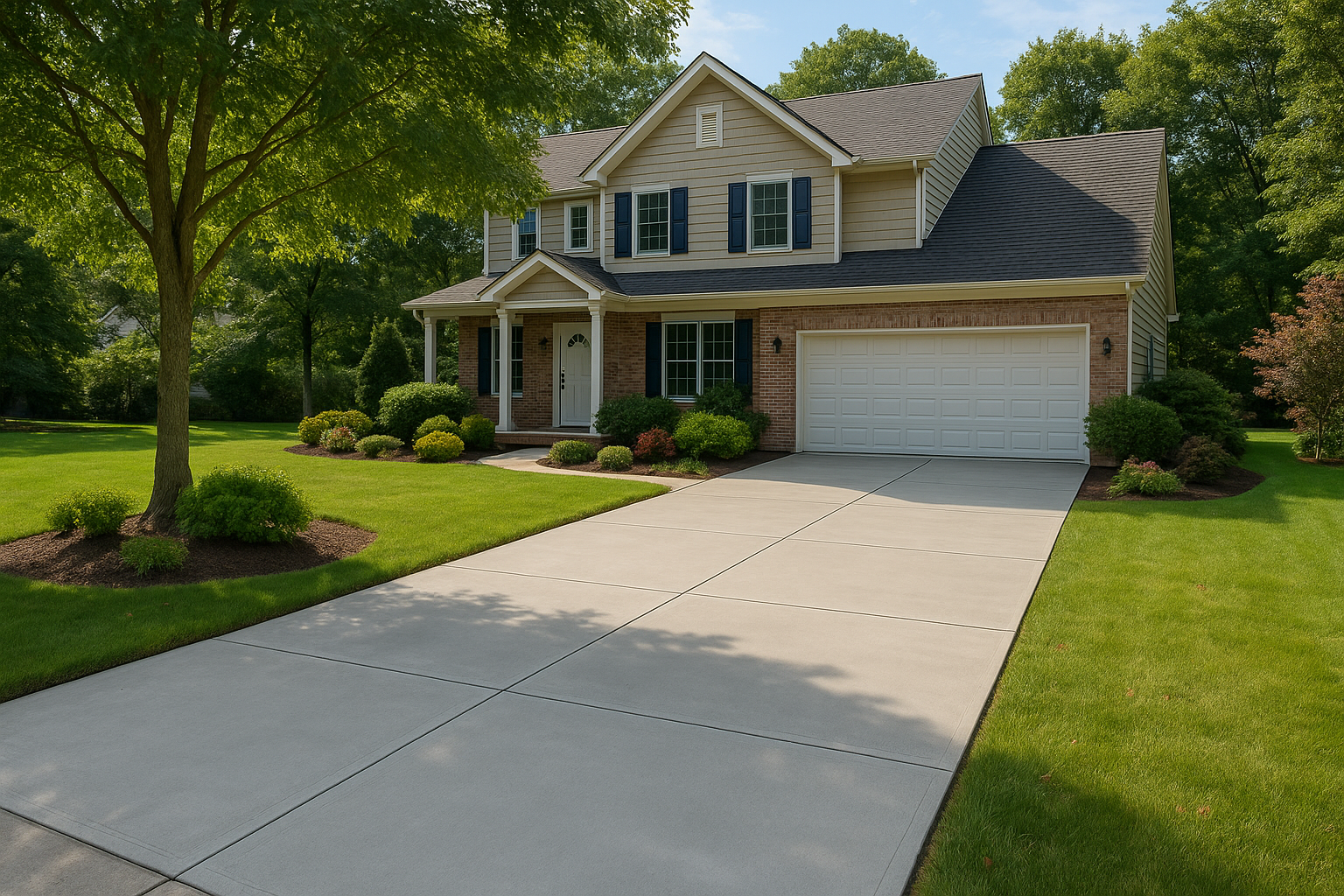
- Driveways: durable surfaces designed for everyday traffic.
- Walkways and entry paths: clean, practical pathways that improve curb appeal.
- Patios and outdoor living areas: a solid foundation for outdoor enjoyment.
- Concrete repairs: solutions for areas that need restoration or leveling.
- Foundations and masonry-adjacent work: coordinating concrete needs as part of broader masonry plans.
Benefits of Working With Long Island Mason & Concrete
Every concrete project benefits from experienced installation and careful attention to the steps that are easy to overlook. A dependable local contractor can help you avoid common issues and keep your project moving.
- Local, hands-on guidance: help selecting the right approach for your use case and property layout.
- Quality preparation: emphasis on the base and form work that supports long-term performance.
- Finish and leveling focus: attention to appearance details that make the final result feel polished.
- Better planning for your timeline: clearer expectations on what happens before, during, and after the pour.
- Care recommendations: practical steps you can follow to protect your new concrete.
What to Have Ready Before You Reach Out
To make your consultation productive, consider gathering a few details in advance. Even simple information can help the team estimate the scope more accurately.
- What area you want to improve (driveway, walkway, patio, or repair area)
- Approximate measurements if you know them
- Photos of the current condition or the space for the planned project
- Any concerns you’ve noticed (uneven spots, cracking, surface wear, drainage issues)
- Your preferred timeframe and any scheduling constraints
Get Ready for a Smooth Project in Manorville
Concrete can significantly enhance the look and function of your property, and the right contractor helps you get there with fewer surprises. If you’re ready to move forward, Long Island Mason & Concrete can help you explore your options and plan the work so your concrete installation or repair is handled professionally.
Manorville Concrete Needs, Meet Local Service
Manorville is a community where people rely on well-built home features—especially in outdoor spaces that see everyday use. Driveways, paths, and patios need surfaces that can handle frequent traffic, seasonal temperature shifts, and changing weather over time. That’s why concrete projects are so popular here: they’re practical, long-lasting when installed correctly, and they can improve the overall feel of a property.
When you live in Manorville, local service matters. Working with Long Island Mason & Concrete means you can plan your project with a contractor that understands how homeowners think about timing, cleanup, and long-term results. It also helps to have a team that can discuss site-specific factors like drainage and access, so your concrete performs well and looks great.
Whether you’re building something new or addressing a concrete repair, the best outcomes come from preparation, solid workmanship, and clear communication. Residents can feel confident reaching out, sharing what they want to improve, and letting the team guide the process toward a finished result you can enjoy for years.
Frequently Asked Questions About Concrete in Manorville, NY
What types of concrete services are commonly available in Manorville, NY?
In most areas, concrete contractors handle a range of projects, including driveway and walkway installation, sidewalk repair, concrete patio construction, slab replacement, and curing/finishing work for new pours. You may also find services for concrete resurfacing or patching to address cracks, spalling, or uneven sections. When you call, describe what you’re building or repairing (dimensions, existing conditions, and desired finish), so the contractor can recommend the right concrete mix and approach for your surface and use.
How do I know whether I need a concrete repair or a full replacement?
Concrete decisions usually come down to the extent and cause of damage. Minor surface cracking, small spalls, or localized damage can often be repaired with patching and proper surface preparation. However, if you notice wide cracking, settlement that creates trip hazards, or repeated failure after patching, replacement may be more practical. A contractor will typically inspect for underlying issues, check edges and thickness, and evaluate whether the slab is structurally sound before suggesting repair versus replacement.
What should I expect during a new concrete pour for a driveway or patio?
A proper pour usually includes site assessment, removal or grading of existing material (if needed), form setup, base preparation, and reinforcement if required. The concrete is then placed, leveled, and finished to your desired texture or look. After finishing, curing is essential to help the concrete reach strength and resist early cracking. You should plan for limited use during curing and ask about recommended timelines for foot traffic and vehicles based on your project size and conditions.
How can I prevent or reduce concrete cracking and surface damage?
Cracking is common, but you can reduce risk with good installation and maintenance. Ask about base preparation and drainage, since poor support or water pooling can lead to movement and cracking. For control joints and proper finishing, timing matters—finishing too early or late can affect performance. After installation, avoid de-icing practices that can harm the surface, and keep water from saturating edges. Regular cleaning and prompt attention to small cracks can help prevent them from widening.
Can you repair concrete that is already uneven or sinking?
Uneven concrete often suggests settlement or loss of support beneath the slab. Depending on the severity, a contractor may recommend lifting, partial removal, or full replacement. Before proceeding, they should evaluate where the movement is coming from, including any drainage issues or soil instability. Repairs that only skim the surface won’t correct ongoing movement, so the right solution typically starts with assessing subgrade conditions. Discuss your observations—when it shifted and how quickly it’s changing—so they can choose the most durable fix.