Local Concrete Experts in New Hyde Park, NY
If you’re planning a concrete project in and around New Hyde Park, it helps to work with a team that understands how Long Island homes and properties are built, used, and maintained. From driveway updates to walkway replacements and durable concrete foundations, getting the details right the first time can make your project look better and last longer.
Long Island Mason & Concrete is built for local results—bringing practical guidance, careful workmanship, and clear communication so you know what’s happening from start to finish. Whether you’re improving curb appeal, upgrading a worn surface, or building something that needs to stand up to daily use, a professional concrete contractor can help you choose the right approach for your property. Concrete is more than just pouring and finishing; factors like site prep, drainage, base preparation, and finish selection all affect performance.
On this page, you’ll find helpful ways residents in New Hyde Park can access concrete services locally, what to consider before you start, and how to make the process smoother. If you’re ready to move from idea to schedule, reach out to Long Island Mason & Concrete and discuss your plans with a trusted local team.
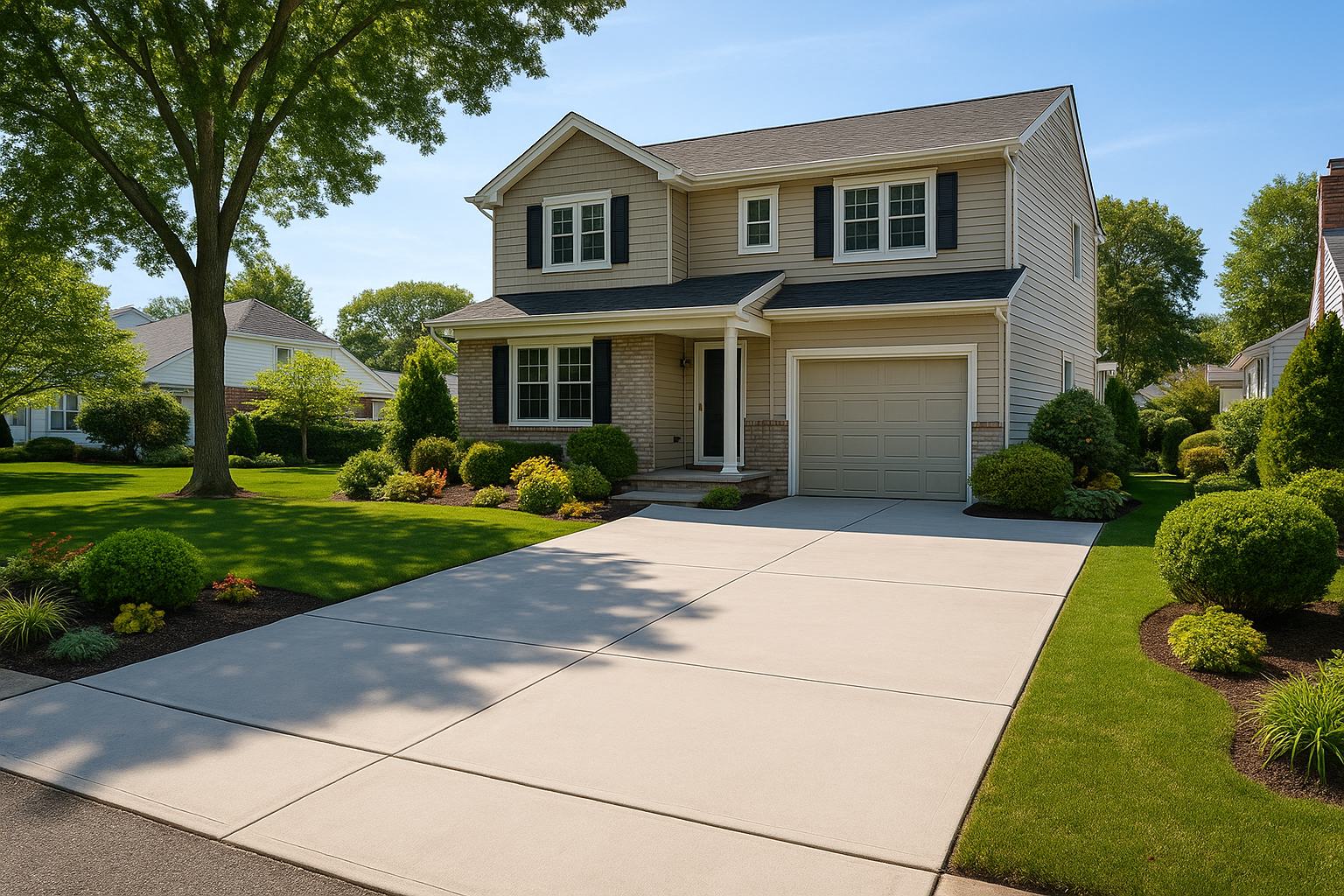
Concrete services you can access locally in New Hyde Park
Concrete projects are common in New Hyde Park—whether it’s refreshing a driveway, creating a safe walkway, or improving the look and function of a property entrance. The best results come from combining the right materials with proper site preparation and finishing techniques. When you work with Long Island Mason & Concrete, you can expect a straightforward process focused on lasting workmanship.
Typical residential and property concrete needs include:
- Driveways for better curb appeal and smoother everyday use
- Walkways that improve safety and help guide foot traffic
- Patios and outdoor concrete for practical, attractive gathering spaces
- Concrete repairs for cracked, uneven, or worn areas
- Foundational and flatwork support that benefits from skilled preparation
How residents can get started (and what to prepare)
Starting a concrete project is easier when you come prepared. Before you contact a contractor, take a few minutes to note what you want to improve and where the work will be done. Photos can help—especially if your project involves repairs or areas with visible cracking, settling, or surface wear.
It also helps to think about:
- Your goals (appearance, durability, trip-hazard reduction, or overall property improvement)
- Where water goes around the work area, including any drainage concerns
- The timeline you’re aiming for, such as before a busy season
- Finish preferences, including the look you want for the surface
At Long Island Mason & Concrete, the emphasis is on helping you make decisions that fit your property and your day-to-day needs, not just a one-size-fits-all pour.
Why proper concrete installation matters on Long Island
Concrete on Long Island needs to perform through changing weather and regular use. That’s why preparation is often just as important as the final surface. The contractor’s approach to the subbase, grading, and finishing can affect how well the concrete holds up over time.
Working with a local team also matters. When your contractor is familiar with how properties in the region are built and maintained, it’s easier to plan for practical details like access to the work area, site conditions, and the best way to protect the finished surface after installation.
Scheduling and project planning
A smooth concrete project usually comes down to planning—confirming materials, coordinating access, and setting expectations for how long each step takes. After the initial discussion, Long Island Mason & Concrete can guide you through the next steps so you know what to expect.
If you’re unsure whether you need a full replacement or repairs, start with a conversation. In many cases, a careful assessment can help you choose the most cost-effective path while still improving the look and functionality of your concrete.
Choose local workmanship with Long Island Mason & Concrete
When you need concrete services in New Hyde Park, choosing a trusted local contractor helps you move forward with confidence. Long Island Mason & Concrete focuses on quality craftsmanship, clear communication, and practical solutions designed for real properties and real schedules.
If you’re ready to discuss your project—driveway, walkway, patio, or concrete repair—reach out to Long Island Mason & Concrete to get help planning your next steps.
About New Hyde Park & Your Concrete Needs
New Hyde Park is a well-established community where many homes and properties rely on strong, dependable exterior features. Driveways, sidewalks, and patios aren’t just about curb appeal—they’re part of daily life, welcoming guests, supporting safe foot traffic, and keeping vehicles and equipment moving easily.
That’s why concrete services that emphasize proper prep and finishing are a great fit for New Hyde Park. Whether you’re refreshing the look of your entry or addressing concrete that’s cracked or uneven, the right approach can improve both function and appearance.
For local residents, working with Long Island Mason & Concrete means you can access experienced guidance close to home. A local team can help you think through practical details like site conditions, drainage considerations, and the best way to achieve the finish you want—without making the process feel confusing.
Frequently Asked Questions About Concrete in New Hyde Park, NY
What types of concrete services are commonly available in New Hyde Park, NY?
Concrete contractors typically handle a range of projects, including concrete slabs for patios, walkways, driveways, garage floors, and steps. Many also provide concrete repair for cracks, spalling, uneven slabs, and sunken areas. If you’re planning new construction or an upgrade, they can help with site preparation like grading and base work, as well as finishing details such as broom finishes, stamped patterns, or decorative borders. Ask what’s included for your specific project scope.
How do I know whether my existing concrete needs repair or replacement?
The decision usually depends on how the concrete has failed. Minor surface issues—like hairline cracks or worn edges—may be repairable with patching or resurfacing. Deeper problems, including widespread cracking, significant heaving or settling, drainage-related deterioration, or areas that rock when stepped on, often indicate the slab or base may need replacement. A contractor should inspect the crack patterns, elevations, and base condition, and then recommend the most practical option.
What causes concrete cracks in driveways and patios?
Concrete cracks can develop due to shrinkage during curing, temperature changes, and moisture movement in or under the slab. Poor drainage, inadequate base preparation, and insufficient expansion joints can also contribute. Over time, freeze-thaw cycles in cold climates may widen existing cracks, especially if water gets into the concrete. The key is to address underlying causes, not just the surface—so repairs typically include cleaning, proper joint or crack preparation, and the right patching or sealing method.
Do I need a permit for a concrete project around my home?
Permit requirements vary by municipality and project type, such as driveway replacements, new patios, or changes that affect setbacks or drainage. Because rules can differ even between nearby towns, the safest approach is to check with your local building department or ask your contractor what documentation is typically needed for your scope. A reputable contractor should be comfortable coordinating with permitting requirements and will confirm what’s required before work begins.
How should I prepare my property before concrete work starts?
Good preparation helps the project go smoothly. Clear the work area of vehicles, patio furniture, planters, and other obstacles. Protect nearby landscaping and keep hoses, sprinklers, and electrical items out of the way. Discuss drainage concerns if water currently pools near the slab or foundation. If repairs are involved, ensure access to the entire section and plan for cleanup afterward. Your contractor may also need information about underground utilities or existing structures before demolition or coring.