
Local Concrete Experts in Sayville, NY
Homeowners and property managers in Sayville rely on concrete every day—driveways, walkways, patios, foundations, and more. When it’s time to repair, replace, or upgrade, you want a team that understands the demands of Long Island weather and day-to-day use.
Long Island Mason & Concrete is here to help residents and businesses access dependable concrete services locally. From surface repairs to full installs, the goal is the same: deliver work that looks right and performs well for years to come. Concrete projects can be disruptive, so clear communication, careful planning, and clean job sites matter. If you’re noticing cracks, uneven slabs, sinking steps, or worn surfaces, getting a professional assessment sooner can prevent small issues from turning into bigger, more expensive repairs.
If you’re searching for “concrete contractors near me” in Sayville, you’re in the right place. This page explains practical ways to get started—what to ask, how to prepare, and how local service helps keep your project moving. Whether your vision is functional or aesthetic, you can count on a straightforward process and craftsmanship you can feel confident in.
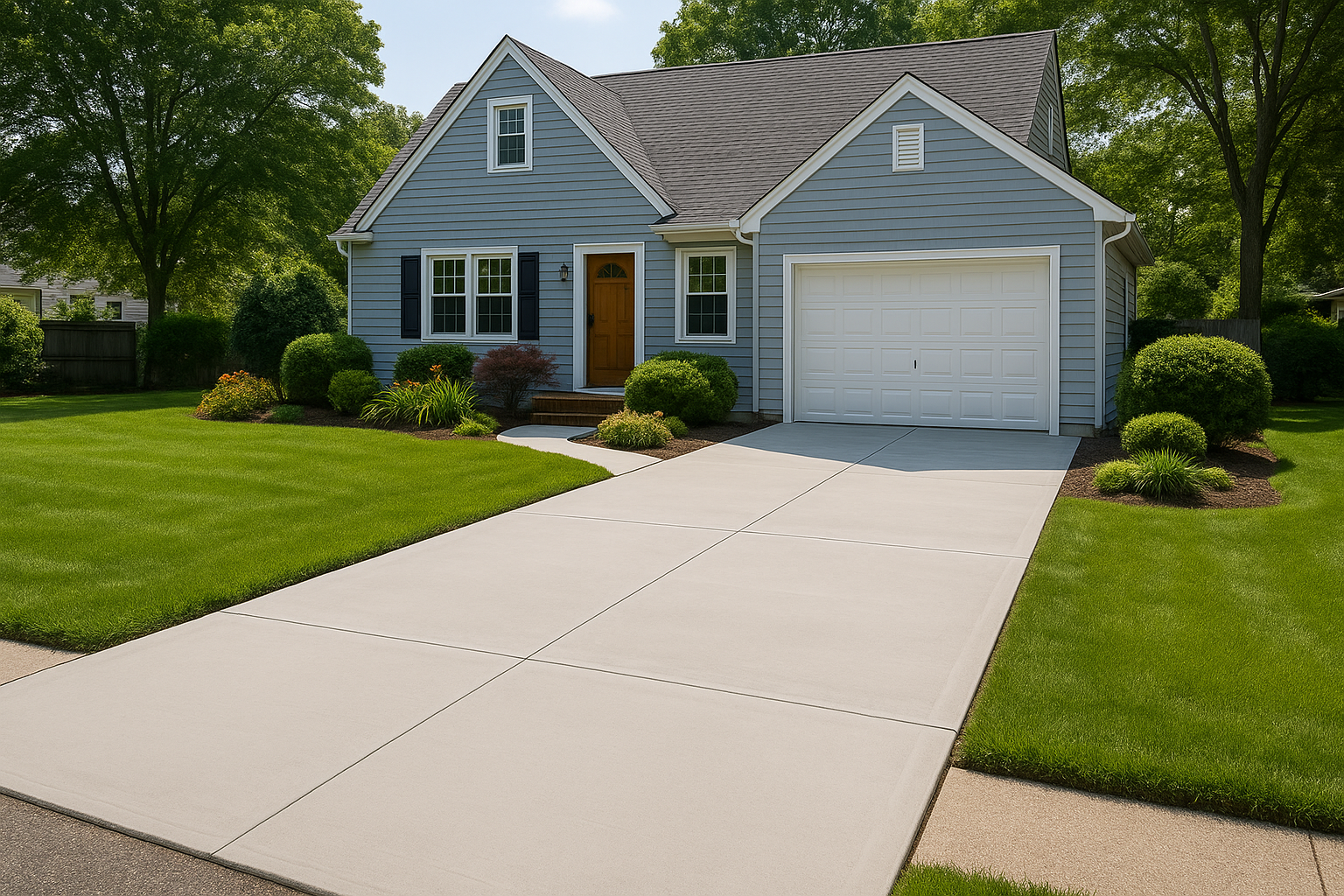
Concrete Services That Fit Sayville Properties
Concrete is more than a material—it’s the backbone of many outdoor and structural features. In Sayville, homes and commercial properties often need concrete work that can stand up to seasonal temperature swings, precipitation, and heavy foot or vehicle traffic. Long Island Mason & Concrete helps you choose the right approach for your situation, whether you’re planning an improvement or addressing damage.
-
Driveway and walkway repairs: Fix cracks, spalling, and surface wear to restore safe, even footing.
-
New concrete installations: Build durable paths and slabs designed for long-term performance.
-
Patios and outdoor surfaces: Create welcoming spaces for entertaining and everyday use.
-
Steps, slabs, and more: Address uneven or deteriorating concrete components for better safety and curb appeal.
-
Maintenance planning: Get practical guidance on what to repair now versus what can wait.
Why Work With a Local Concrete Contractor in Sayville?
Choosing a local team can make a noticeable difference in how your project goes. When you work with Long Island Mason & Concrete, you’re not just hiring a crew—you’re getting service that accounts for local property conditions and the realities of Long Island construction timelines.
Local support also helps with quicker scheduling, more direct communication, and faster follow-up if you have questions during the process. Concrete work is detail-driven—proper site preparation, correct mix design, finishing, and curing all influence the finished result. A contractor who focuses on concrete day in and day out can help reduce guesswork and keep your project moving.
How to Access Concrete Service Nearby
If you’re ready to get started, the best first step is to contact Long Island Mason & Concrete and share a few details about your project. You can usually move from inquiry to an on-site conversation more smoothly when you come prepared.
-
Describe the issue clearly: Tell them what you’re seeing (cracks, sinking, trip hazards, discoloration, or surface breakdown) and how long it’s been happening.
-
Share project goals: Are you aiming for repair, replacement, or a new installation? Let your contractor know what “success” looks like to you.
-
Consider timing and access: Mention when the area is needed for daily use so your team can plan the work efficiently.
-
Ask about the process: A reputable concrete contractor will explain how they prepare the site, handle removal (if needed), and complete curing/finishing.
Common Signs You May Need Concrete Repair
Concrete can last for years, but it doesn’t always stay problem-free. If you notice any of the following, it’s smart to get an assessment before the damage spreads:
-
Hairline cracks that expand over time
-
Uneven slabs, sinking edges, or trip hazards
-
Chipped corners or spalling surfaces
-
Water pooling or drainage issues around concrete areas
-
Stairs or steps that feel unstable
Getting a Smooth Result From Start to Finish
The best concrete projects don’t rely on luck—they rely on planning. Long Island Mason & Concrete focuses on doing the fundamentals right, from assessing conditions to preparing the area properly and completing finishing with care. That means you get a surface that looks clean, supports safe use, and holds up to the conditions your Sayville property experiences.
If you’re ready for a repair, replacement, or a fresh installation, reach out to discuss your needs. A local conversation can help you move forward with confidence and avoid unnecessary delays.
Sayville, NY—Concrete for Real Life in a Coastal Community
Sayville is a welcoming Long Island community where properties are used every day—walks to the door, driveways for vehicles, and outdoor spaces for gatherings. With that level of everyday activity, concrete surfaces take on a lot of wear, from seasonal moisture to temperature changes.
For homeowners and property managers in Sayville, concrete work often needs to be both practical and visually appealing. Repairs can restore safety when slabs crack or edges settle, while new installations can improve curb appeal and make outdoor living more comfortable.
Long Island Mason & Concrete serves the local area by helping residents access concrete services that fit the needs of their properties. Whether you’re dealing with a small surface issue or planning a larger upgrade, a local, detail-focused contractor can guide you toward the right next step—so your concrete investment supports your home for years to come.
Frequently Asked Questions About Concrete in Sayville, NY
What types of concrete work do you handle for homes in Sayville?
Concrete contractors typically assist with residential needs such as patios, sidewalks, driveway replacements, steps, and concrete flatwork for walkways or small slabs. Many projects also include repairs like patching spalls, resurfacing worn areas, or leveling uneven sections. If you’re unsure what category your job falls into, a contractor can review the existing concrete, discuss your goals (appearance, durability, drainage), and recommend the most practical approach for your slab and subbase condition.
How do you determine whether my concrete needs repair or full replacement?
The right choice depends on the concrete’s condition and cause of failure. Contractors often look for signs like widespread cracking, settlement, spalling, or areas that are lifting or sinking. Isolated surface damage may be suitable for patching, grinding, or resurfacing, while structural issues—such as significant movement, deep scaling, or extensive deterioration—usually call for replacement. Evaluating drainage and soil stability helps prevent repeat problems after the work is done.
Can you fix cracks in existing concrete, and what causes them?
Cracks can appear for many reasons, including shrinkage, temperature changes, poor consolidation, or movement from the soil beneath. Small, non-moving cracks can sometimes be repaired with appropriate patching or crack sealing methods to improve protection against water intrusion. If the cracks are accompanied by uneven surfaces, recurring widening, or evidence of settlement, surface-only repairs may not address the underlying cause. A proper assessment helps match the repair method to the type and cause of cracking.
What’s involved in preparing the ground before pouring new concrete?
Good concrete performance starts with preparation. Contractors typically remove old material and vegetation as needed, then evaluate and prepare the soil or existing subgrade. They may add or rework base material (like gravel) to achieve appropriate thickness and compaction, and they confirm proper grading for drainage. Formwork is set to control shape and elevation, and reinforcement may be installed depending on the application. Clean, well-prepared materials help reduce future cracking and unevenness.
How should I care for newly poured concrete to help it last?
After concrete is poured, curing is critical. Contractors commonly keep the surface protected and allow it to cure undisturbed for the recommended period based on mix and conditions. Avoid heavy foot traffic during early curing, and delay heavier loads longer if required. Once it’s cured, protect it from damage and excess moisture—especially during the first weeks. If you’re sealing or using joints, follow the method and timing suggested for your specific concrete type and exposure conditions.