Local Concrete Experts in Shirley, NY
Finding dependable concrete help close to home can make a big difference, whether you’re planning a driveway refresh or tackling a project after storm damage. For residents in Shirley, NY, working with a local team helps you move forward with confidence—right from the first conversation through the final finish.
Long Island Mason & Concrete is built for practical, day-to-day needs. Their team can help you plan the scope, understand what your property needs, and focus on results that fit the way local homes and lots are used. Concrete work often comes down to details: the right base, proper drainage considerations, clean finishing, and careful attention to alignment and edges.
If you’re comparing options, consider the advantage of choosing a contractor who understands Long Island’s weather patterns and the realities of residential work. You’ll want clear communication, reliable scheduling, and craftsmanship that stands up to everyday wear. This guide is here to show you how Shirley homeowners can access concrete services locally, what to expect during the process, and how to get a project plan that’s easier to start and simpler to manage.
How Shirley Residents Can Access Concrete Services Locally
Concrete projects are easier when you can get guidance and scheduling that fits your property and timeline. Long Island Mason & Concrete serves homeowners and property owners in and around Shirley, NY, making it more convenient to discuss your goals, review site conditions, and plan next steps.
To get started, reach out to a local concrete contractor and share a few basic details—what you’re building or repairing, the general size of the area, and any concerns you’ve noticed (such as cracking, sinking, uneven surfaces, or drainage issues). From there, you can talk through the most suitable approach for your project and what preparation may be needed before the concrete is placed.
Popular Concrete Projects for Homes in Shirley
Many concrete needs in Shirley come down to improving function and curb appeal. Consider whether your project falls into one of these common categories:
-
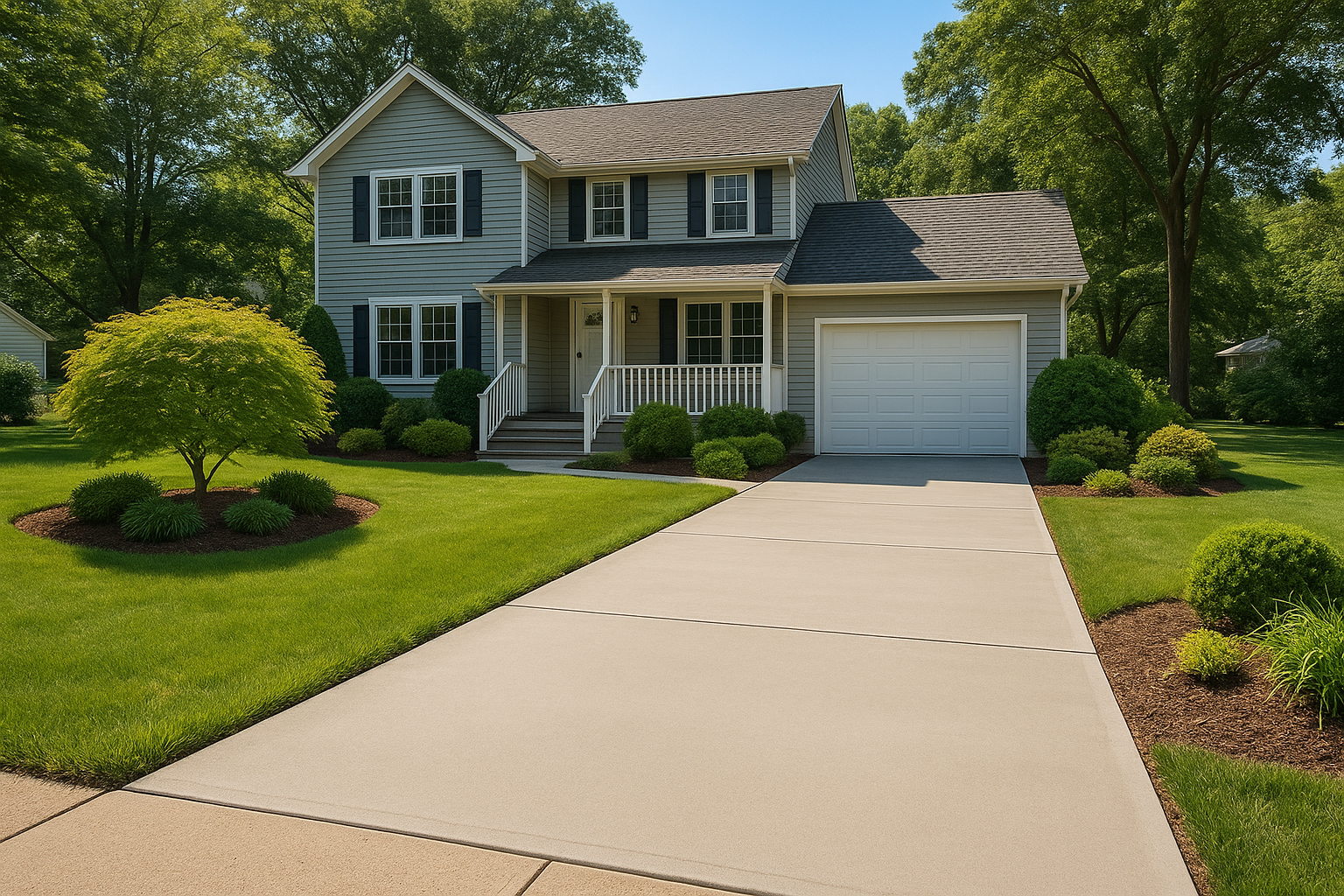
Driveways that need resurfacing, replacement, or a fresh finish
-
Walkways and patios for safer access and a cleaner look around your home
-
Steps and landings where solid, level construction matters for daily use
-
Concrete repairs for cracks, spalling, uneven slabs, or edges that have worn over time
-
Concrete foundations and related masonry work where professional craftsmanship supports long-term stability
What to Expect From Long Island Mason & Concrete
When you work with Long Island Mason & Concrete, the goal is a straightforward process that respects your property. Concrete work isn’t one-size-fits-all—site conditions, existing materials, and intended use all play a role in how the project should be approached.
During planning and execution, a quality contractor focuses on practical steps that help reduce rework and support a more durable result. That typically includes evaluating the area, addressing the preparation required for a stable base, ensuring proper placement, and completing finishes that match your preferences and the surrounding landscape.
Benefits of Choosing a Local Concrete Contractor
Residents in Shirley often value local responsiveness. Here are a few advantages that matter during real projects:
-
More convenient communication for questions, updates, and scheduling
-
Hands-on site awareness to better account for property layout and existing conditions
-
Craft-focused workmanship aimed at clean edges, proper finishing, and solid installation
-
Clear project coordination so you can understand what happens before, during, and after the work
Get a Clear Project Plan Before Work Begins
Before concrete is poured or repaired, it helps to be ready with a few key details. Consider noting how you use the space, what problem you want to solve, and any areas that seem to drain poorly or show early wear. If you have photos, they can also make the initial discussion more productive.
Once you’re in conversation with Long Island Mason & Concrete, you’ll be able to talk through your options and move toward a plan that fits your goals. With the right preparation and attention to detail, a concrete project can improve your home’s safety, accessibility, and appearance for years to come.
If you’re ready to explore concrete solutions in Shirley, NY, start by reaching out to a local team that can help you understand the best next step for your property.
Shirley, NY & Concrete: Built for Everyday Life
Shirley is a community where homes are designed for daily comfort—driveways for arriving home, walkways for easy access, and outdoor spaces that get used in every season. When surfaces begin to crack, settle, or wear unevenly, it can affect both appearance and practical safety.
Concrete is a strong fit for local needs because it provides solid, dependable performance when installed with the right base and finishing. Whether you’re looking to refresh curb appeal or correct an issue that’s been getting worse over time, a professional approach helps ensure the work supports how your property actually functions.
For Shirley residents, working with Long Island Mason & Concrete means you can discuss your project in a local context, with a focus on practical steps and careful craftsmanship. From repairs to new construction, the goal is the same: help you move from “we should do something” to a plan that’s easier to start, manage, and enjoy once the work is complete.
Frequently Asked Questions About Concrete in Shirley, NY
What types of concrete services can you help with in Shirley, NY?
Concrete contractors typically handle a range of residential and light commercial projects, such as new concrete slabs, driveways, sidewalks, patios, steps, and resurfacing or repairs for existing concrete. They can also assist with concrete patching, leveling, and drainage-related work when concrete issues tie into water management. If you’re unsure what’s best for your situation, share photos and what problem you’re seeing—cracks, sinking, spalling, or uneven surfaces—and the crew can recommend an approach.
How do you determine whether I need concrete repair versus replacement?
A good assessment looks at how the concrete is failing. Minor surface cracking and small spalls often respond to cleaning and patching, while widespread cracking, significant settling, or areas that have lifted or heaved may require replacement. Contractors usually examine thickness, underlying conditions, and whether the damage affects safety or creates trip hazards. They may also check for drainage issues that caused the original movement, since repairing the concrete without addressing the source can lead to repeat problems.
What’s involved in preparing the site for a new concrete driveway or patio?
Proper prep is what helps concrete perform over time. It generally includes removing existing material if needed, excavating to the correct depth, and preparing a stable base. A contractor may grade the area for proper drainage, install forms, and use base materials such as gravel and compaction as specified. They’ll also plan reinforcement when required and coordinate control joints for cracking management. Good preparation also means protecting nearby landscaping and ensuring a clean, workable work zone.
How long does concrete need to cure before it’s usable?
Curing time depends on the mix design, thickness, weather, and the type of project. Concrete typically goes through an initial set period within the first day, but full strength development takes longer. Contractors usually advise when you can walk on it, drive on it, or place heavier loads. Temperature and moisture control can extend or shorten practical timelines, so it’s important to follow the guidance you’re given for your specific pour conditions. Avoiding early stress helps reduce cracking and surface damage.
Can you fix cracks, spalling, or uneven concrete without replacing the whole slab?
Sometimes, yes. Hairline cracks may be sealed if they don’t indicate movement, while spalling (chipping or flaking) often requires removing loose material and applying a patch system designed for concrete repair. Uneven slabs may be addressed with grinding, leveling, or targeted repair depending on the cause—such as loss of base support or drainage. The key is diagnosing the underlying reason for the failure, because repairs that don’t address movement or water flow may not last.