Local Concrete Experts in South Valley Stream, NY
Concrete projects are a practical part of keeping homes, driveways, sidewalks, and patios safe and looking great. If you’re in South Valley Stream, you want a contractor who understands local conditions, communicates clearly, and shows up when it counts—especially when the weather can shift quickly.
Long Island Mason & Concrete helps homeowners and property managers move from planning to finished concrete with less stress. Whether you’re looking to repair worn surfaces, improve drainage, or add new concrete for curb appeal, working with a team experienced in masonry and concrete makes a difference. You’ll get guidance on the scope of work, recommended options for your specific area, and workmanship that’s built to last.
Using a local concrete service also means faster coordination for site access, easier scheduling, and a smoother process from consultation to completion. Instead of juggling delays or trying to handle concrete repairs on your own, you can rely on trusted local expertise. Read on for practical ways to access concrete services in South Valley Stream, what to expect during the process, and how Long Island Mason & Concrete can help bring your project to life.
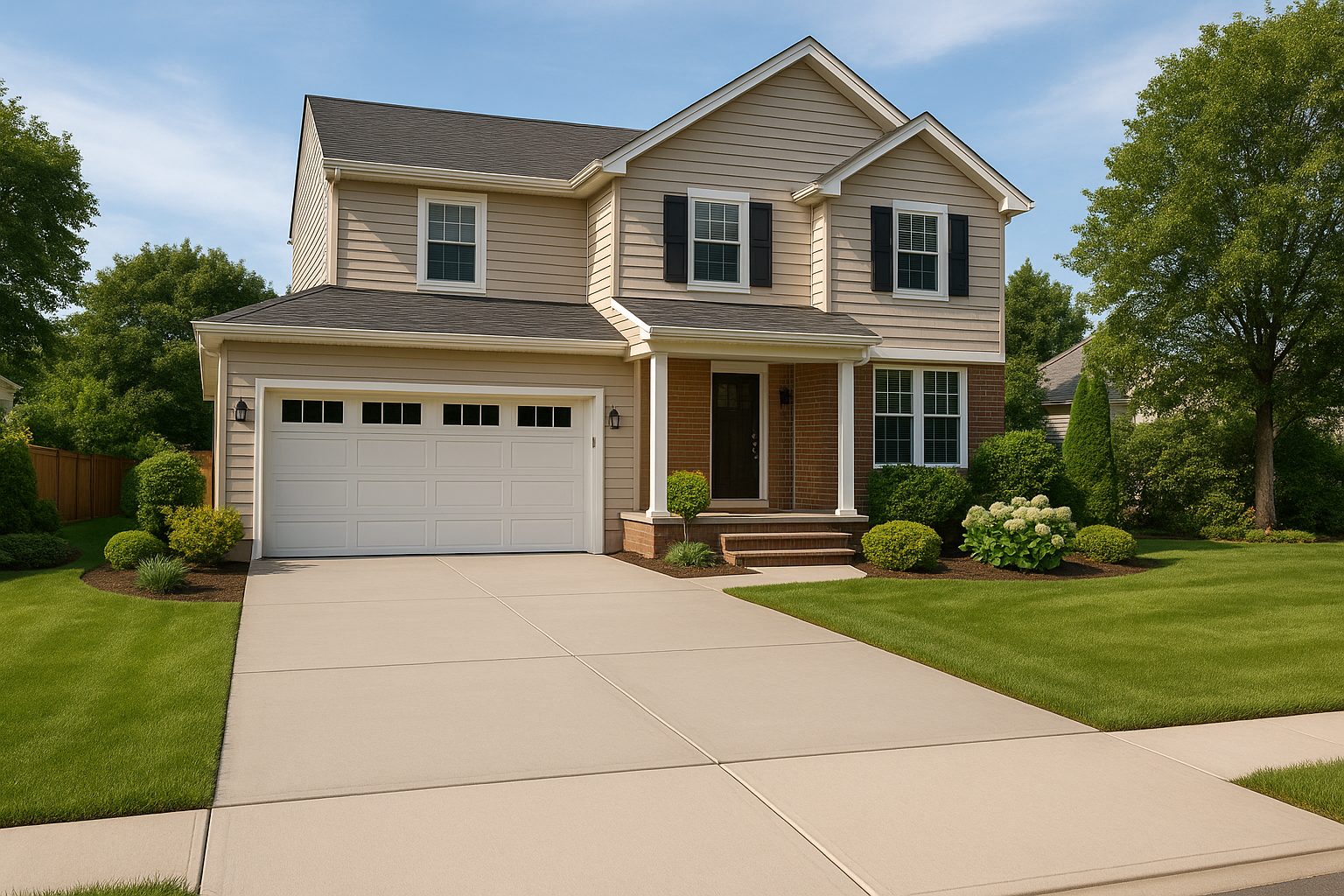
How to Access Concrete Services in South Valley Stream
If you’re ready to start a concrete project, the smartest first step is to get a clear plan. Start by thinking about the surface you need—driveway, walkway, patio, steps, or an area around your home where concrete plays a role in function and appearance. From there, reach out to a qualified team like Long Island Mason & Concrete for an on-site discussion or walkthrough.
When you contact a contractor, be prepared to share a few details: what’s currently there, how the surface is performing, any visible issues (cracks, uneven areas, or spalling), and your general timeline. This helps ensure you get accurate recommendations instead of generic answers.
What Local Homeowners Often Need Concrete For
- Driveway upgrades and repairs: Fixing cracks, uneven sections, and worn surfaces that affect curb appeal and daily use.
- Walkways and sidewalks: Improving safety where trips and uneven slabs can become a problem.
- Patios and outdoor living areas: Creating a stable, attractive base for relaxing and entertaining.
- Steps and entryways: Helping your front entrance look great while staying durable under regular foot traffic.
- Concrete around foundations and features: Supporting proper function where drainage and surface stability matter.
What to Expect From a Concrete Project
A professional concrete company guides you through the key decisions so you can feel confident before work begins. Expect discussions around the scope of the job, preparation needs, and the best approach for the condition of the existing surface. If you’re repairing rather than replacing, the plan should explain what will be addressed and why.
Quality concrete work also depends on preparation. Proper base preparation, correct placement, and attention to finishing are what help reduce the risk of early wear. If your project involves existing concrete, a contractor should evaluate the current conditions and recommend the most practical solution for your long-term goals.
Long Island Mason & Concrete focuses on clear communication and dependable workmanship—so you’re not left guessing about next steps. The goal is to deliver a finished result that blends well with your home and meets the demands of local use.
Benefits of Hiring Long Island Mason & Concrete Locally
- Better coordination: Local scheduling helps reduce the back-and-forth that can delay projects.
- Practical recommendations: Experience with masonry and concrete helps match solutions to real-world conditions.
- Work you can see: Thoughtful finishing and attention to details improve both durability and appearance.
- Less hassle: A straightforward process helps you plan around the work instead of being surprised by it.
Questions to Ask Before You Start
- Will you assess the existing slab or base conditions before recommending repair or replacement?
- What’s included in preparation and cleanup?
- How will you address safety concerns during installation or repair?
- What should I do to care for the concrete after the work is completed?
If you want concrete that looks good and holds up, asking these questions upfront can help you choose the right contractor with confidence.
Ready to Get Started?
For concrete services in South Valley Stream, the fastest path is to contact Long Island Mason & Concrete and discuss your project. Whether you’re planning a new patio or repairing an area that’s started to fail, professional guidance can help you move forward with clarity.
About South Valley Stream, NY
South Valley Stream is a welcoming community where homeowners take pride in well-kept properties and practical outdoor spaces. From everyday walkways to driveways used year-round, residents rely on concrete surfaces that stay stable and safe through changing seasons.
Because the area sees a mix of residential needs—everything from cosmetic wear to functional repairs—local concrete work should focus on both appearance and performance. If your driveway or walkway has developed cracks, uneven spots, or surface deterioration, addressing the issue early can help protect what’s underneath and keep your property looking its best.
That’s why working with Long Island Mason & Concrete is a smart fit for South Valley Stream. A masonry-and-concrete approach supports better planning, careful preparation, and workmanship designed for real use. Whether you’re upgrading an outdoor area or restoring a problem spot, you can count on a team that understands how concrete plays into daily life here.
Frequently Asked Questions About Concrete in South Valley Stream, NY
What concrete services do you handle for South Valley Stream homeowners?
Concrete contractors typically provide several common services, such as new concrete installation for slabs and pads, concrete replacement, and repairs for cracks, spalls, and uneven areas. Many also help with driveway approaches, sidewalks, patios, and other flatwork projects. If you’re planning a concrete pour, it’s helpful to describe the area size, thickness expectations, and whether there’s existing concrete that needs removal so the crew can prepare the base properly and plan for curing.
How do I know whether my concrete needs repair or full replacement?
A practical way to decide is to evaluate the cause and extent of the damage. Hairline surface cracks may be repairable depending on whether the concrete is still stable. Larger cracks, corner spalling, areas that rock, repeating freeze/thaw heaving, or widespread deterioration often indicate deeper base or subgrade issues—when that happens, replacement may be more durable. A contractor should inspect the slab, check for settlement, and recommend the least disruptive option that restores safety and performance.
What should I expect during concrete repair, like crack filling or patching?
Concrete repair usually starts with cleaning and assessing the damaged area, then removing loose or failing material down to sound concrete. For cracks, the work may involve routing, sealing, or targeted patching based on crack width and movement. For spalls or potholes, the surface is chipped back, edges are squared, and a suitable patch mix is placed and finished to match surrounding texture. Proper curing is critical to help repairs bond and resist early wear.
How long does concrete take to cure before it can be used?
Cure time depends on the mix design, weather conditions, and whether it’s new work or a repair. In general, concrete gains strength over time—surface drying isn’t the same as full curing. Contractors often manage protection during early curing by limiting heavy foot or vehicle traffic and maintaining appropriate moisture. For patios, driveways, and slabs, it’s best to follow the project-specific guidance from your contractor so the finished concrete isn’t stressed before it reaches the strength needed for the intended load.
Do I need to seal concrete, and when should it be done?
Sealing can help reduce staining and moisture absorption, which can be especially useful for driveways, walkways, and patios that see regular exposure. The right timing matters: sealing too early can trap moisture and interfere with proper curing. A contractor can evaluate the concrete’s readiness—typically by confirming it has cured and is dry enough for the chosen sealer. They can also recommend whether a penetrating sealant or a surface coating fits your finish and maintenance goals.