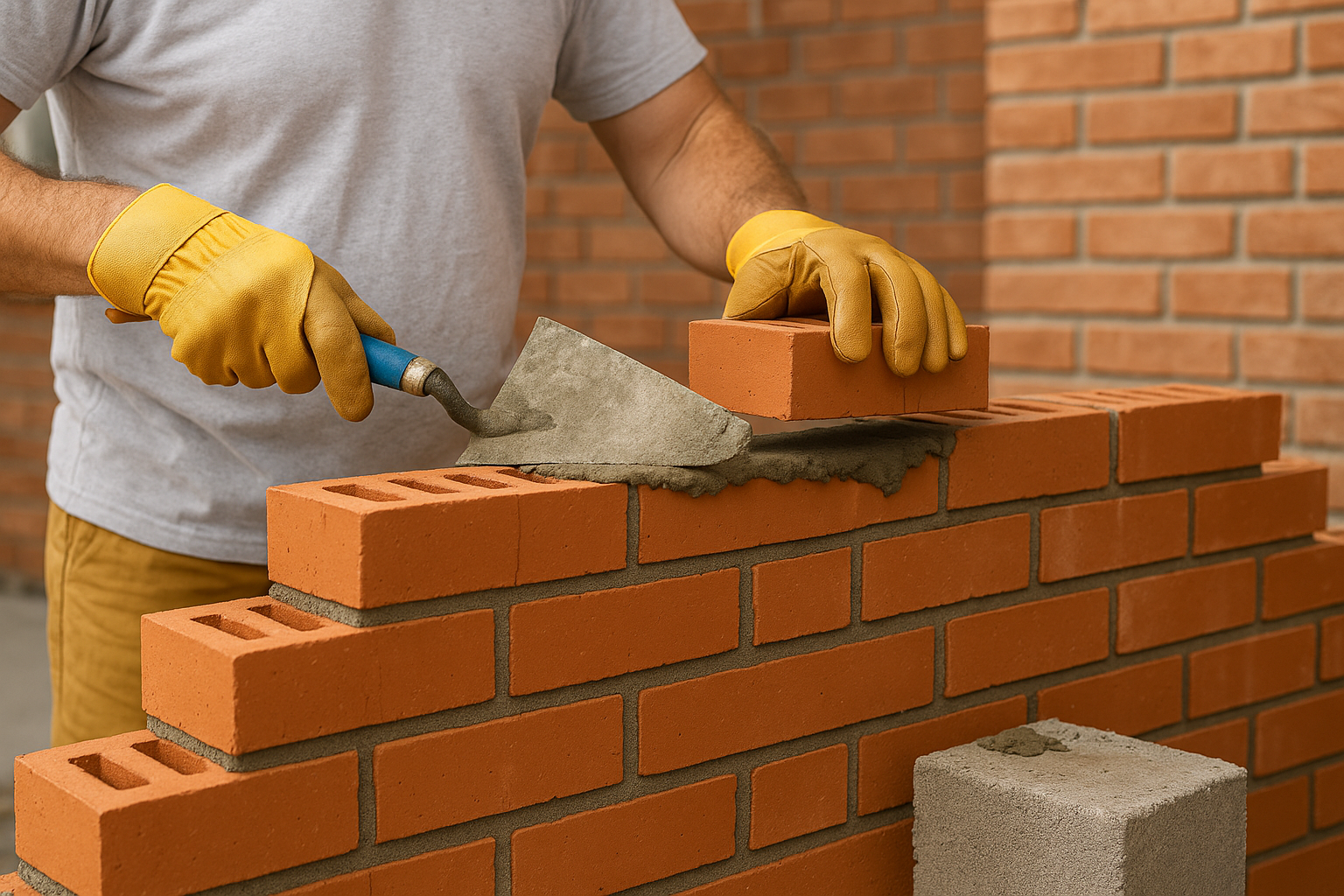
Introduction to Masonry Construction
Masonry construction is one of the oldest and most durable building methods. Using units such as brick, stone, and concrete block set in mortar, masonry creates structures that are strong, fire-resistant, and aesthetically varied. This post explores core materials, common techniques, design considerations, pros and cons, costs, and routine maintenance to help homeowners, designers, and contractors make informed choices.
What Is Masonry?
Masonry refers to the construction of walls, foundations, chimneys, piers, and other structural or decorative elements from individual units bonded together with mortar. Masonry work can be load-bearing or non-load-bearing and is used in residential, commercial, and infrastructural projects.
Common Masonry Materials
Brick
Brick is a versatile and attractive masonry unit made from fired clay or concrete. It offers good compressive strength, comes in many colors and textures, and is often used for facades, garden walls, and fireplace surrounds.
Stone
Natural stone (granite, limestone, sandstone, slate) provides a timeless look and exceptional durability. Stone masonry requires skilled craftsmanship because stones vary in shape and size and often need careful fitting.
Concrete Masonry Units (CMUs)
Concrete blocks are economical, strong, and available in many sizes and configurations. CMUs are commonly used for foundations, retaining walls, and commercial buildings. They can be finished with stucco, veneer, or paint.
Mortar and Reinforcements
Mortar, typically composed of cement, lime, and sand, binds masonry units and transfers loads. Reinforcement (steel bars, grouted cells, ties) improves tensile performance and resistance to lateral forces like wind and seismic loads.
Types of Masonry Techniques
Unit Masonry
Unit masonry involves laying individual bricks, stones, or blocks in systematic patterns. Bond patterns (running bond, stack bond, Flemish bond) affect both appearance and structural behavior.
Veneer vs. Solid Masonry
Veneer masonry is a single-wythe non-load-bearing layer attached to a structural backing. Solid (or multi-wythe) masonry comprises two or more thicknesses and can be load-bearing. Veneers are lighter and more cost-effective for facades, while solid masonry offers greater thermal mass and durability.
Reinforced Masonry
In reinforced masonry, steel reinforcement and grout add tensile strength and ductility, making the system suitable for taller or seismic-prone structures.
Design and Structural Considerations
Designing masonry work requires attention to loads, foundation conditions, moisture control, thermal performance, and compatibility between materials.
Foundation and Support
Masonry requires a stable foundation to prevent settlement cracking. Footings must distribute loads appropriately and be designed for local soil conditions.
Moisture Management
Proper flashing, weep holes, cavities in veneer systems, and appropriate mortar and sealants prevent water penetration. Moisture is the most common long-term threat to masonry durability.
Thermal Performance
Masonry has high thermal mass but relatively low insulation R-value. Designers often combine masonry with insulation layers or build cavity walls to improve energy efficiency.
Benefits and Drawbacks
Benefits
- Durability and long service life
- Fire resistance and sound insulation
- Low maintenance when properly constructed
- Architectural versatility and aesthetic appeal
Drawbacks
- Higher initial labor costs compared to some frame systems
- Requires skilled masons for quality results
- Potential for moisture-related problems if detailing is poor
- Heavier construction that may need stronger foundations
Costs and Construction Timeline
Costs vary widely based on material, region, project complexity, and finish. Brick and stone tend to be more expensive than CMUs but offer unique aesthetics. Labor is a large portion of the cost—skilled masonry crews are essential. Timelines depend on project size; masonry work is weather-sensitive and can slow in freezing or very wet conditions.
Maintenance and Repair
Routine inspection for cracked mortar, spalled units, and water intrusion extends a masonry assembly’s life. Common maintenance tasks include repointing mortar joints, replacing damaged bricks or stones, correcting drainage issues, and cleaning using gentle methods to avoid damaging the unit or mortar.
Choosing a Contractor
When hiring, look for contractors with relevant masonry experience, references, and proper licensing and insurance. Request examples of completed projects and confirm that warranties or guarantees are provided for workmanship and materials.
Conclusion
Masonry construction offers exceptional durability, fire resistance, and aesthetic flexibility when designed and built correctly. Understanding materials, techniques, and maintenance needs helps you choose the right approach for your project and ensures a long-lasting, attractive result.