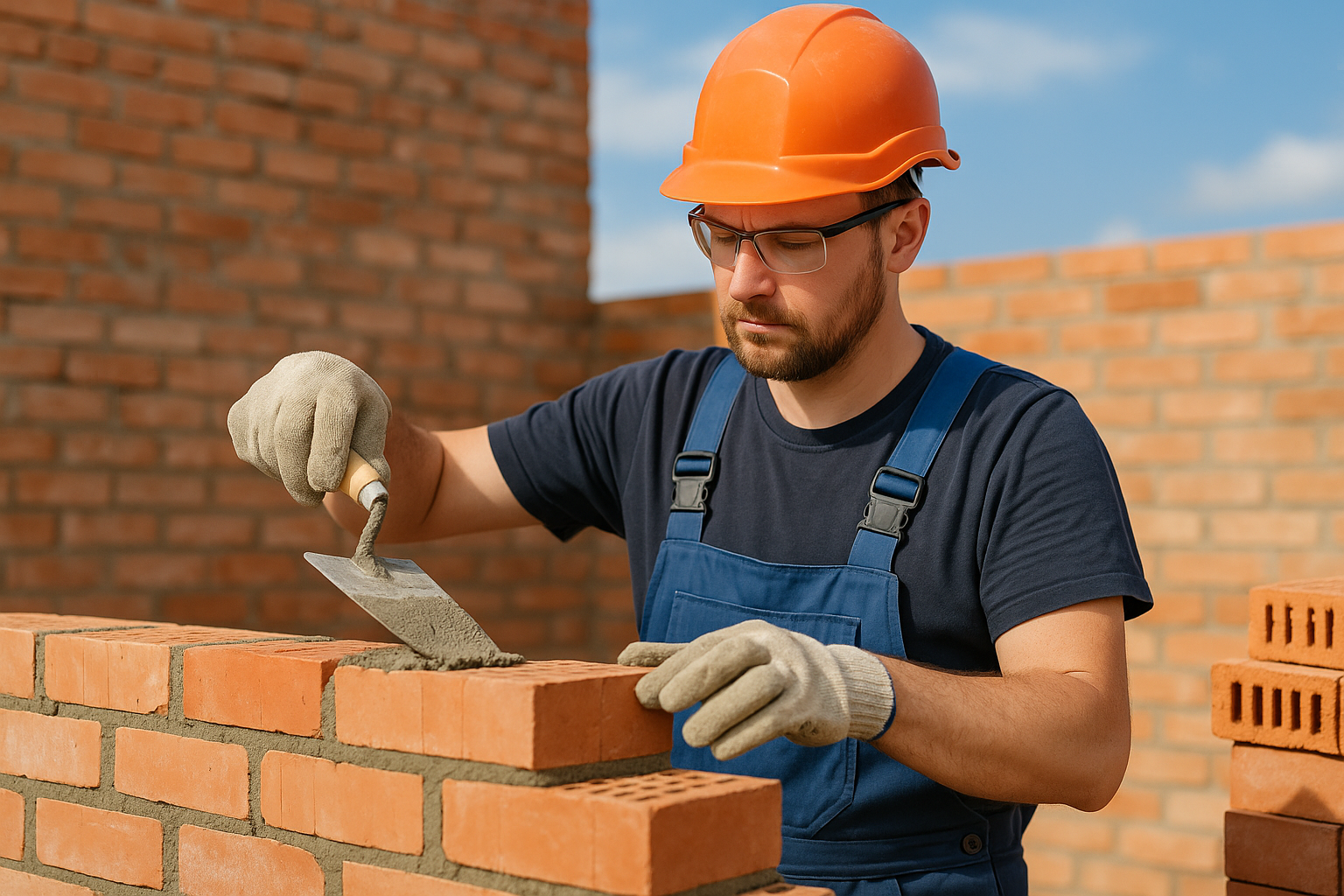
What Is a Mason?
A mason is a skilled tradesperson who builds and repairs structures made from individual units—typically brick, stone, or concrete block—bound together by mortar. Masonry work ranges from laying a simple garden wall to restoring historic stone facades. The craft emphasizes strength, durability, and aesthetic detail, making masons essential to both new construction and preservation projects.
Masonry vs. Other Trades
Unlike carpentry or metalwork, masonry uses inorganic units and mortar, resulting in structures known for fire resistance, thermal mass, and longevity. While general contractors manage projects, masons focus specifically on the assembly and finishing of masonry elements.
Common Types of Masonry Work
Masonry covers several types of construction, each with its own materials and techniques.
Brick Masonry
Brick masonry is widely used for walls, fireplaces, chimneys, and facades. Bricks are versatile and available in many colors and textures, making them popular for both structural and decorative applications.
Stone Masonry
Stone masonry uses natural stone—cut or uncut—to create durable, visually striking structures. It’s common in retaining walls, exterior cladding, and historic restoration.
Concrete Block (CMU) Masonry
Concrete masonry units (CMUs) are economical and strong, used for foundations, load-bearing walls, and commercial buildings. They’re often finished with stucco, veneer, or paint.
Veneer and Thin Stone
Veneer masonry provides the look of full-thickness masonry while attaching a thinner layer to a substrate. It’s ideal for aesthetic upgrades where weight or cost is a concern.
Tools, Materials, and Techniques
Masonry combines craftsmanship with the right tools and materials. Knowing what goes into the job helps owners make informed choices and communicate with masons.
Essential Tools
- Trowels and jointers for applying and finishing mortar
- Levels, plumb lines, and squares for layout and accuracy
- Masonry saws, chisels, and hammers for cutting and shaping units
- Mixers and buckets for preparing mortar
- Scaffolding and safety equipment for working at height
Core Materials
- Mortar: the binding mixture (cement, lime, sand, and water)
- Units: bricks, natural stone, concrete blocks, or veneers
- Reinforcement: steel, anchors, or ties for structural stability
- Sealants and flashing to manage moisture
Common Techniques
Techniques include proper mortar joint tooling, bond patterns (running bond, Flemish bond), and methods for anchoring veneer to substrates. Attention to drainage and expansion joints is essential to prevent moisture damage and cracking.
Skills, Training, and Certification
Masonry is learned through apprenticeships, trade schools, and on-the-job training. Experienced masons develop a keen eye for layout, proficiency in cutting and shaping materials, and understanding of structural principles. Certifications and union membership can indicate higher levels of skill and safety training.
Hiring a Mason: Practical Tips
- Get multiple quotes and compare materials, scope, and timelines rather than price alone.
- Ask for references and recent project photos; visit work sites if possible.
- Confirm licensing, insurance, and any required permits for your area.
- Discuss warranties and who is responsible for cleanup and disposal.
- Set clear expectations for moisture management, insulation, and finish details.
Maintenance and Longevity
Well-built masonry can last decades or centuries. Routine maintenance includes repointing deteriorated mortar, repairing cracked units, clearing vegetation that traps moisture, and ensuring proper flashing around openings. Addressing small issues early prevents costly structural repairs later.
Safety, Codes, and Environmental Considerations
Masonry work must adhere to local building codes and structural standards. Proper scaffolding, fall protection, and respirators (when cutting) keep crews safe. Sustainable choices—such as low-carbon cement blends, reclaimed brick, or locally quarried stone—can reduce the environmental footprint of a project.
Modern Trends in Masonry
Contemporary masonry blends traditional craft with modern needs: thin veneers for retrofit projects, weather-resistant mortars, integrated insulation systems, and digital layout tools for greater precision. Historic restoration continues to grow, requiring masons who can match old materials and techniques.
Conclusion
Masons bring a mix of skill, patience, and technical knowledge to create lasting, attractive structures from brick, stone, and block. Whether you’re planning a new build, a repair, or a historic restoration, understanding the types of masonry, the materials and tools involved, and how to select a qualified mason will help you achieve durable and beautiful results.