Plainview, NY Concrete Specialists for Driveways, Patios & More
Plainview homeowners and business owners count on concrete every day—on driveways, walkways, patios, and exterior surfaces that stand up to New York weather year-round. When it’s time to repair, replace, or install concrete, having a local contractor who can work efficiently and communicate clearly makes a big difference.
Long Island Mason & Concrete helps residents across Plainview access dependable concrete services without the hassle of guessing who to call. Whether your project is focused on curb appeal, fixing damaged areas, or upgrading functional outdoor space, the team can guide you from planning to completion. Using practical jobsite know-how and a process built around quality workmanship, they aim to deliver results that look right and hold up over time. If you’re researching concrete options in and around Plainview, this page covers what you can expect, how to get started, and how to choose the right approach for your property—so your next concrete project moves forward with confidence.
Concrete services residents in Plainview can access locally
Concrete is one of the most versatile materials for homes and small commercial properties in Plainview, NY. It’s durable, adaptable, and well-suited to exterior projects that need reliable performance. Long Island Mason & Concrete offers local access to concrete work designed to improve safety, function, and appearance—whether you’re planning a new installation or addressing wear and damage.
Concrete projects often start with a simple goal: make the surface look better and perform better. That could mean repairing cracks, leveling uneven areas, replacing sections that have deteriorated, or adding a new patio or walkway to better connect spaces around your home.
Common Plainview concrete needs
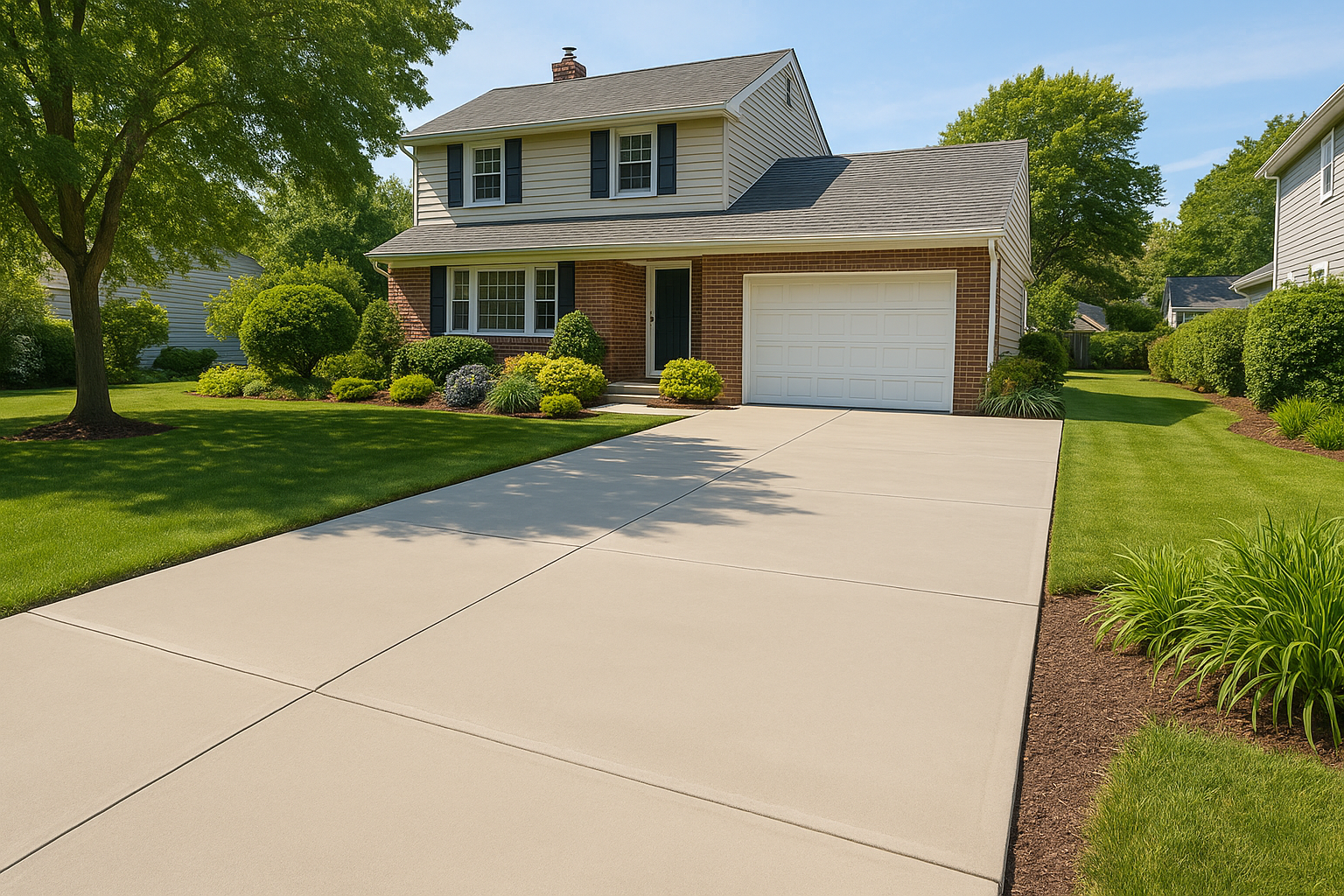
- Driveway concrete: Repairing spalls, addressing cracking, and upgrading curb appeal with a fresh, even finish.
- Patios and outdoor slabs: Creating comfortable spaces for relaxing and entertaining that complement your home’s layout.
- Walkways and steps: Improving safe access to entryways, side yards, and backyard areas.
- Concrete repair and replacement: Restoring damaged areas to help reduce tripping hazards and prevent problems from spreading.
- Custom concrete upgrades: Enhancements that support how you use your property day to day.
How the process works (so you know what to expect)
Every property and every slab is different, so a good concrete project begins with understanding your goals and assessing the existing conditions. Long Island Mason & Concrete helps homeowners and property managers move from “we need something done” to a clear plan for the scope of work.
Depending on the project, this typically includes discussing what you want to accomplish, reviewing the current area, and choosing the best approach for your situation. From there, the team can coordinate the work to keep the project organized and focused on quality.
Why local concrete service matters in Plainview
Concrete performance depends on more than just materials—it depends on installation details, site conditions, and attention to how the finished surface will behave over time. Working with a local contractor helps ensure the team understands the types of challenges that can show up on Long Island properties, including temperature swings and drainage-related issues that can affect slabs.
Local service also makes communication easier. If questions come up about the project or scheduling, having a team that’s accessible locally helps keep things moving.
Benefits of choosing Long Island Mason & Concrete
- Local, practical guidance: Support for homeowners who want concrete that fits their property and their goals.
- Focused workmanship: A quality-driven approach built around sound installation practices.
- Clear project planning: Help setting expectations so you can feel confident before work begins.
- Concrete solutions for multiple needs: From repairs to new installations, the team helps you match the solution to the problem.
Get started with your Plainview concrete project
If you’re considering concrete work in Plainview, NY, the next step is simple: reach out to Long Island Mason & Concrete and share what you’re looking to improve. Describe the area (driveway, patio, walkway, or other slab), what’s currently happening, and what you want the finished result to feel like for your home. From there, the team can help you determine the best path forward.
Taking action sooner—especially when damage is spreading—can help protect your property and keep your outdoor spaces safe and usable.
Plainview, NY & Your Concrete Needs
Plainview is a community where outdoor living matters—driveways, walkways, and patios help connect daily routines and make it easier to enjoy your yard. When concrete surfaces crack, settle, or become uneven, it can affect curb appeal and create real safety concerns, especially where people walk frequently.
That’s why local concrete specialists are such a good fit for Plainview homeowners. A project can range from targeted repairs to complete replacements, helping restore smooth, stable surfaces and improve the look of your property. If you’re planning an upgrade—like a new patio area or refreshed walkway—concrete offers a practical foundation that’s built for long-term use.
Long Island Mason & Concrete is well positioned to serve residents who want clear communication, a quality-focused approach, and dependable guidance from planning through completion. Whether your goal is to fix a problem area or create a new outdoor space, working with a local team can help you move forward with confidence.
Frequently Asked Questions About Concrete in Plainview, NY
How do I choose the right concrete mix for my project in Plainview, NY?
Choosing a concrete mix depends on what you’re building and the conditions it will face. Driveways and patios typically need a mix designed for durability, while indoor slabs may prioritize smooth finishing. Your goals—such as appearance, strength, and resistance to cracking or wear—should guide the mix selection. A contractor should consider thickness, load requirements, and any exposure to moisture or freeze-thaw cycles before recommending a mix and finish approach.
What’s the difference between stamped, broom-finished, and exposed aggregate concrete?
Stamped concrete uses molds to create the look of brick, stone, or other textures, offering strong curb appeal with a concrete base. Broom-finished concrete has a textured surface that helps with traction, which is common for driveways and walkways. Exposed aggregate reveals small stones at the surface for a decorative, slip-resistant finish. The best choice depends on your desired look, slip resistance needs, and how much maintenance you’re comfortable with.
What should I expect during the concrete installation process?
A typical concrete project starts with planning and site prep, including clearing the area and evaluating soil conditions. Next comes subgrade preparation and base material to help support the slab and reduce settling. Forms are set, then reinforcement may be installed depending on the application. After the concrete is placed, it’s leveled, finished to your selected texture, and concrete joints are formed to help manage cracking as it cures. Proper curing is essential for strength and durability.
How can I reduce cracking or uneven settling in a new concrete slab?
Cracking can be influenced by joint placement, curing, and subgrade quality. To reduce issues, the base needs to be properly compacted and the slab thickness should match the load. Control joints are used to create preferred cracking locations instead of random splitting. Managing water drainage around the slab is also important so the soil doesn’t expand and contract. Using good curing practices helps concrete reach its designed strength, which supports long-term performance.
When is the right time to seal or stain concrete, and do I really need it?
Whether to seal or stain depends on your finish and exposure. Sealing is often used to help resist stains and moisture penetration and can make cleaning easier, especially for driveways, patios, and outdoor surfaces. Staining changes the color appearance without replacing the concrete. Timing matters: concrete should generally be fully cured before treatments are applied to avoid trapping moisture. A professional can recommend the appropriate approach based on your finish and intended use.