Premier Concrete Services in Sagaponack, NY
When you need concrete work that looks great and holds up season after season, Long Island Mason & Concrete is here to help Sagaponack homeowners and property managers make smart, durable choices. From driveways and walkways to patios and other concrete surfaces, proper planning and quality workmanship matter—especially in coastal areas where weather swings, moisture, and heavy use can take a toll.
Concrete is one of the most noticeable parts of a property, and it’s also one of the hardest-working. Whether you’re refreshing an entryway, upgrading outdoor entertaining space, or improving the function of a high-traffic area, getting the details right up front helps prevent headaches down the road. Long Island Mason & Concrete focuses on practical solutions and clear communication so you can understand your options and move forward with confidence.
If you’re searching for concrete services close to home, you don’t have to look far. Choosing a local team that understands Long Island conditions can make a real difference in how your project performs. Reach out to Long Island Mason & Concrete to discuss your goals and learn what’s possible for your Sagaponack property.
Local Concrete Services for Sagaponack Homes
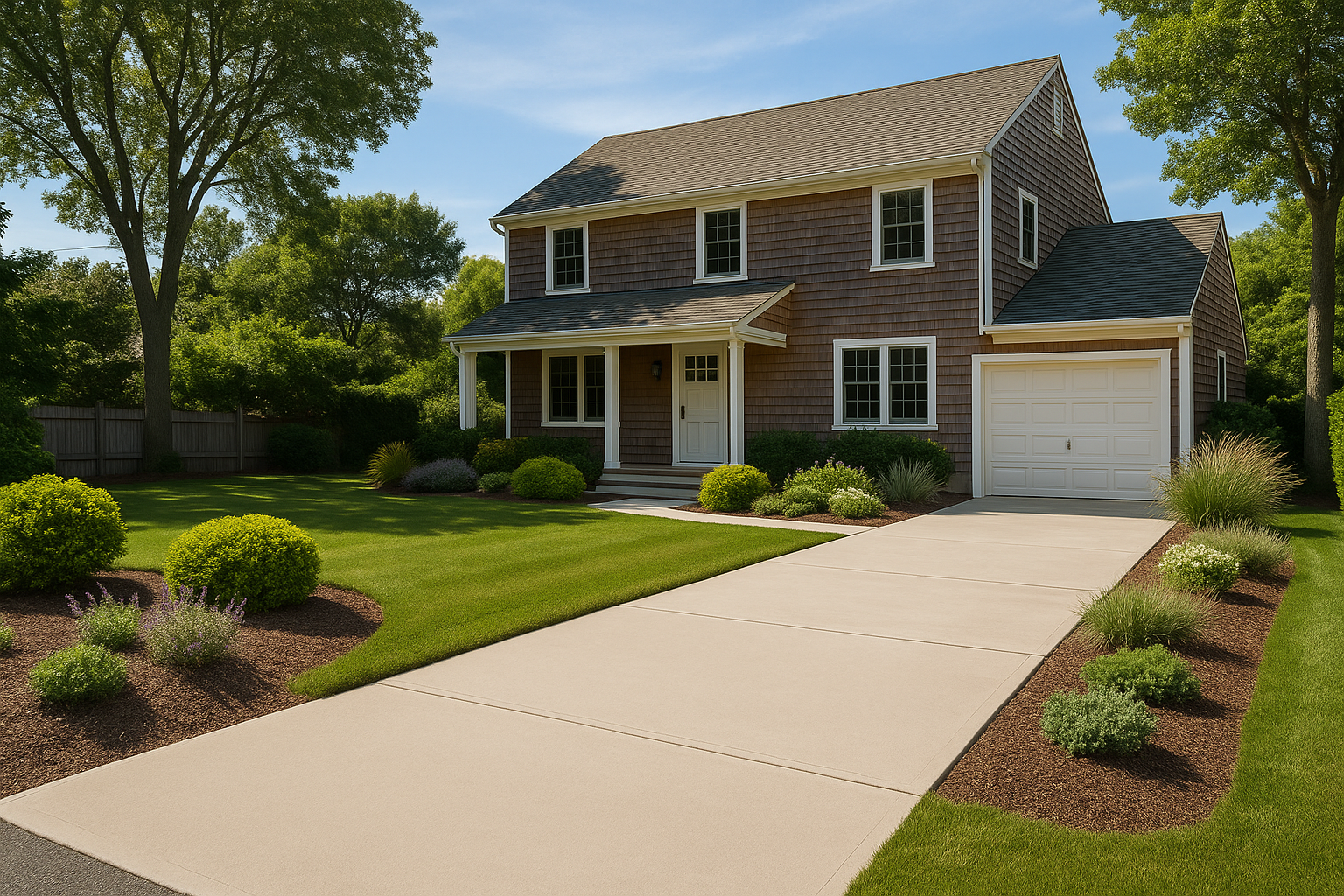
Concrete projects are all about performance and appearance—two things Sagaponack residents value in everyday life. Long Island Mason & Concrete provides hands-on service for concrete installations and upgrades across the area, helping you create clean lines, safer surfaces, and long-lasting outdoor improvements.
What We Can Help You Build or Repair
- Driveways: Refresh worn surfaces, improve curb appeal, and create a smoother driving and turning area.
- Walkways and entry paths: Support safer movement around your property with a durable, well-finished surface.
- Patios and outdoor spaces: Build a stable foundation for relaxing and entertaining—designed to match how you use your home.
- Concrete upgrades and repairs: Address problems like uneven areas or deterioration before they get worse.
Why Sagaponack Concrete Needs Careful Planning
Concrete in coastal Long Island environments benefits from thoughtful preparation and workmanship. Moisture, temperature changes, and seasonal activity can all affect how concrete behaves over time. That’s why a successful project starts before any concrete is poured—considering site conditions, proper base support, drainage awareness, and the finish you want to live with for years.
Long Island Mason & Concrete brings a practical, homeowner-friendly approach to help you choose what works best for your property. You’ll get guidance on project planning, finish options, and what to expect through every step of the process.
How to Access Concrete Services Locally
Getting started is simple. Instead of searching across the region and guessing who’s nearby, reach out to Long Island Mason & Concrete and let the team know what you’d like to improve in Sagaponack. The more detail you can share—such as the general location on your property, what’s currently there, and your preferred look—the better they can guide your next steps.
Common ways to begin include:
- Scheduling a conversation to discuss your project goals
- Sharing photos or describing the area that needs attention
- Reviewing options for installation, replacement, or repairs
- Confirming timelines and next steps for getting your concrete work underway
Benefits of Choosing a Local Concrete Partner
Working with a local Long Island team offers real advantages. A crew that regularly supports nearby communities understands the practical realities homeowners face—how outdoor surfaces are used, what tends to wear first, and what to watch for when conditions change throughout the year. That local perspective can help you plan a project that’s both visually appealing and built for everyday durability.
Long Island Mason & Concrete also focuses on communication and accountability, so you aren’t left wondering what comes next. From start to finish, the goal is a concrete surface you can feel good about using—whether it’s welcoming guests on a new walkway or giving your driveway a fresh, dependable foundation.
Ready to Improve Your Sagaponack Concrete?
If you’re considering a driveway refresh, a new patio surface, or repairs to an existing concrete area, Long Island Mason & Concrete can help you move forward with clarity. Contact the team to discuss your needs and learn what options are available for your Sagaponack property.
Sagaponack, NY: Concrete Built for Coastal Living
Sagaponack is a distinctive Long Island community known for its coastal character, seasonal rhythms, and beautiful outdoor spaces. For many residents, concrete surfaces aren’t just functional—they’re part of how the property feels and flows year-round, from arrival paths to patio areas built for gatherings.
Because Sagaponack experiences changing weather and coastal conditions, homeowners often prioritize durable materials and careful installation. Concrete projects that start with strong preparation and finish with the right attention to surface quality tend to perform better and look better over time.
That’s where Long Island Mason & Concrete fits well. Whether you’re planning a driveway or walkway improvement, considering repairs, or upgrading outdoor living areas, a local concrete team can help translate your goals into a practical, dependable result. By focusing on workmanship and choosing the right approach for your site, residents can enjoy cleaner lines, safer walkways, and concrete surfaces designed to handle everyday use.
Frequently Asked Questions About Concrete in Sagaponack, NY
What types of concrete services are commonly available for properties in the Sagaponack area?
Concrete contractors typically handle a range of projects, including new concrete slabs and flatwork like driveways, walkways, patios, and steps. They may also repair or replace existing concrete—such as fixing cracks, spalling, sinking, or uneven sections. Some jobs include demolition and removal before replacement. For foundations or thicker pours, the scope depends on your building needs and the concrete mix design required for strength and durability in outdoor conditions.
How do I know whether my concrete needs repair or full replacement?
The best option depends on the concrete’s condition and the cause of the damage. Hairline cracking may be repairable, especially if the slab remains level and there’s no ongoing movement. However, if there are wide cracks, significant spalling (flaking), trip hazards, or areas that have sunken or heaved, replacement is often safer. A contractor can evaluate the slab, look for movement patterns, and recommend a practical approach for long-term stability.
What’s the typical process for pouring a new concrete driveway or patio?
A standard process starts with site assessment and measuring the area. Then the surface is prepared—typically removing existing material, excavating to the right depth, and compacting base material. Forms are set, and reinforcement may be added depending on the project. Concrete is poured, leveled, and finished to the desired texture. Finally, curing and protection steps help the concrete achieve strength and reduce surface defects. Drainage and slope are planned to prevent pooling.
Can existing concrete be resurfaced or sealed instead of being replaced?
Resurfacing and sealing can help in the right circumstances. Sealing is generally best for concrete that’s structurally sound but looks worn, stained, or slightly weathered. Resurfacing (like applying an overlay) may be considered when the surface is damaged but the slab itself is still stable. If the concrete has active cracking, major settling, or widespread deterioration, resurfacing may not hold. Preparing the surface properly is crucial for adhesion and appearance.
How can I reduce cracking and unevenness in outdoor concrete in coastal climates?
Cracking and movement are influenced by soil conditions, moisture, drainage, and freeze-thaw cycles. Reducing issues starts with proper excavation, a well-compacted base, correct thickness, and reinforcement where appropriate. Planning the correct slope and drainage helps keep water from pooling under or around the slab. During curing, protecting the pour from rapid drying and temperature swings supports more consistent strength. Expansion joints and good finishing practices also help manage shrinkage and stress.